
How to Tell if Rye Bread Is Bad
How to identify freshness and spoilage in rye bread
Rye bread lasts 5–7 days in the pantry before quality drops fast.
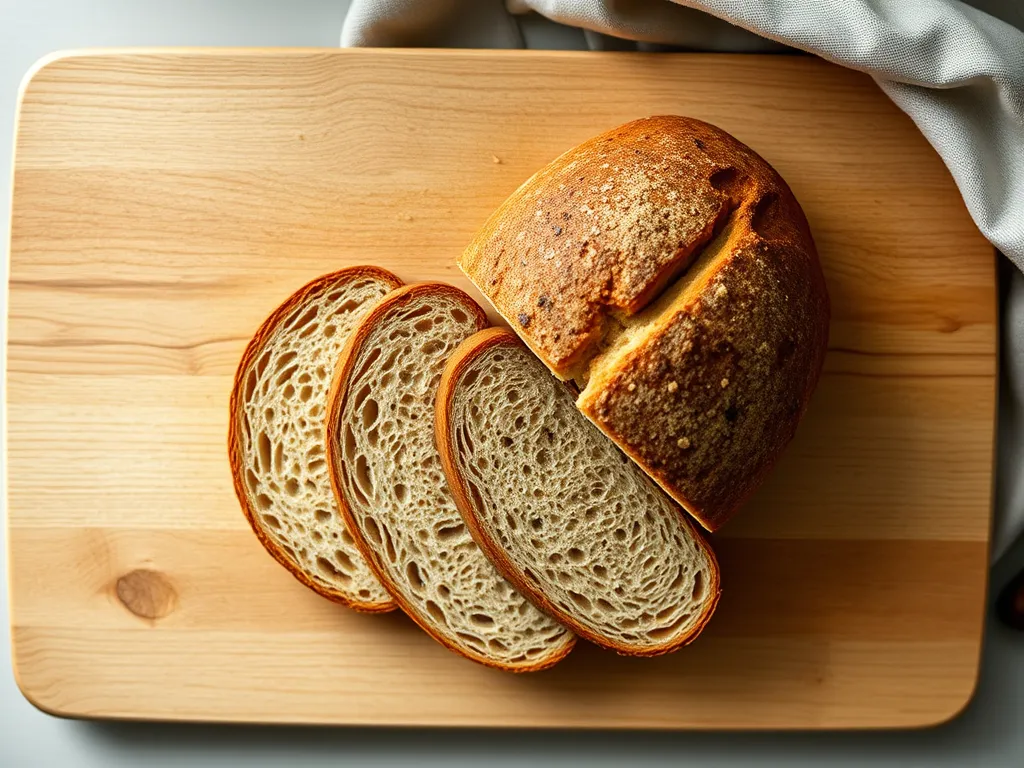
Rye bread is a sturdy loaf, but it still changes with time. When stored in the pantry, the most important clues are texture, smell, and visible growth. A slice that feels dry or slightly firm is usually just getting stale; this is a quality issue rather than a safety concern. However, mold, a sour-yeasty odor, or slimy spots indicate spoilage and mean the bread should be discarded. Because rye bread can hide mold deep inside its dense crumb, you must inspect both the surface and the inner slices before deciding to eat it. This guide helps you distinguish between the fresh stage, the stale-but-usable stage, and the clear signals that your bread has become a safety risk.
Heads up: shelf-life ranges are estimates based on home storage. We make no guarantee of accuracy. When unsure, throw it out.
The full timeline
Day 1 (Peak Fresh)
1 day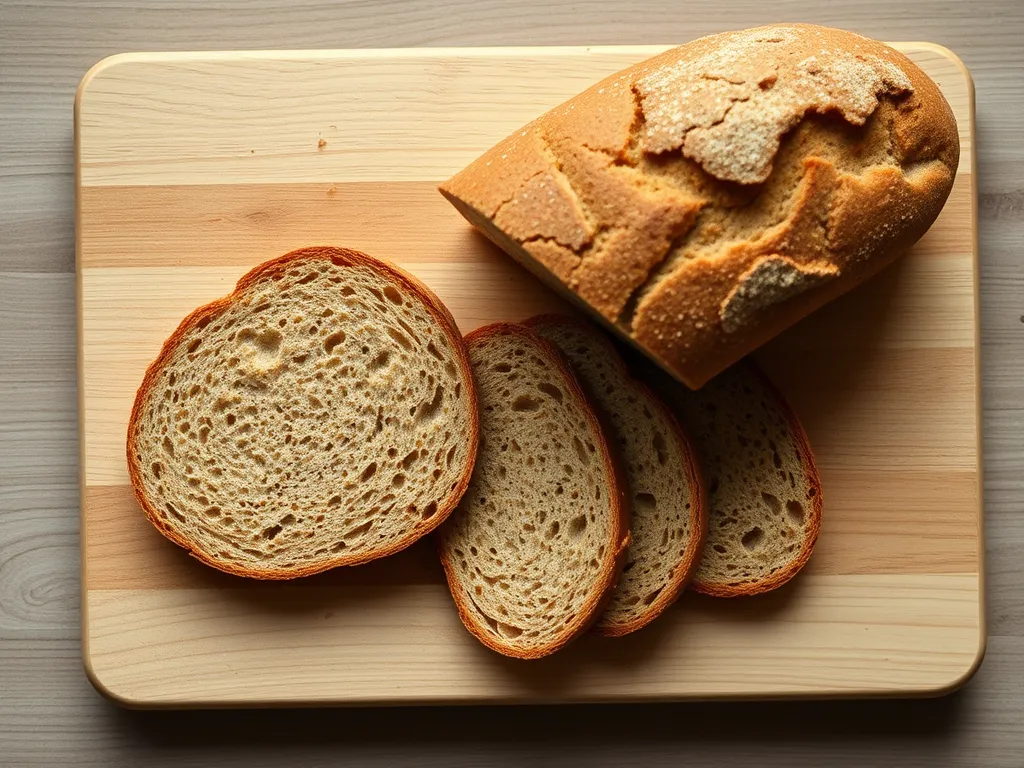
- Crumb feels springy and moist
- Crust looks matte and intact
- Aroma is mild, toasty, and clean
- Eat fresh
- Toast
- Freeze for later
Day 3 (Starting To Dry)
3 days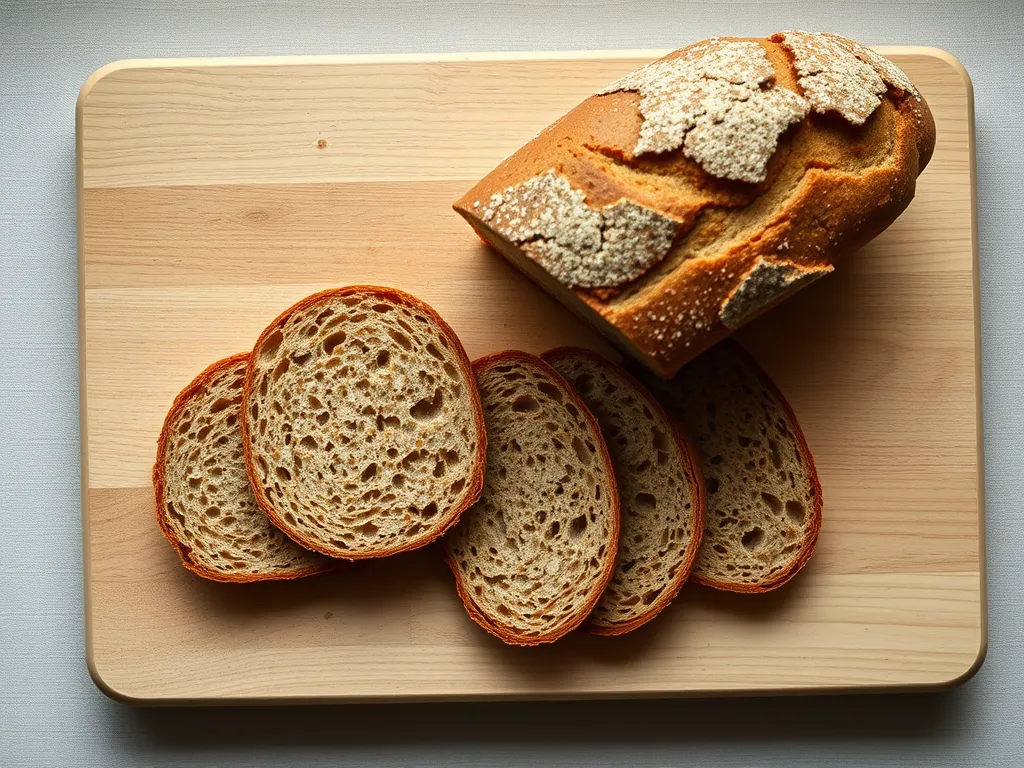
- Slices feel firmer to the touch
- Edges appear slightly drier
- Flavor is less fragrant than day one
- Toast for breakfast
- Use in sandwiches
- Freeze if not using soon
Day 5 (Stale Leaning)
5 days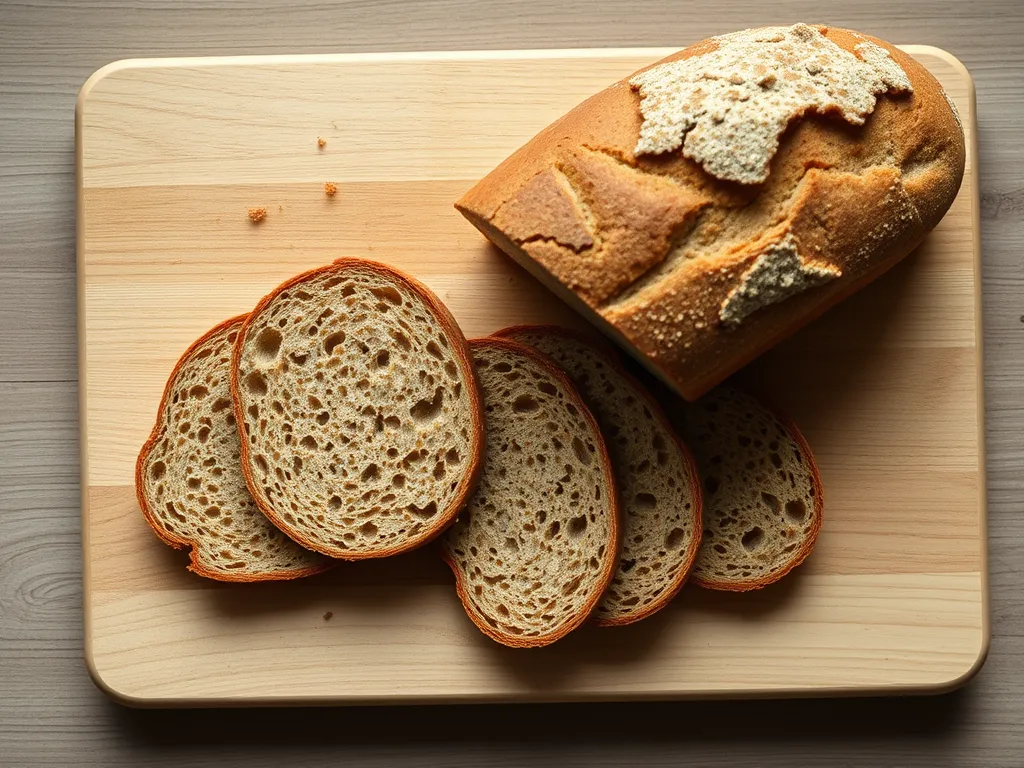
- Crumb feels dry and dense
- Slices crumble easily at the edges
- Smell is flat or faintly sour-yeasty
- Toast heavily
- Make croutons
- Toss if texture is too hard
Day 6 (Spoilage Check)
6 days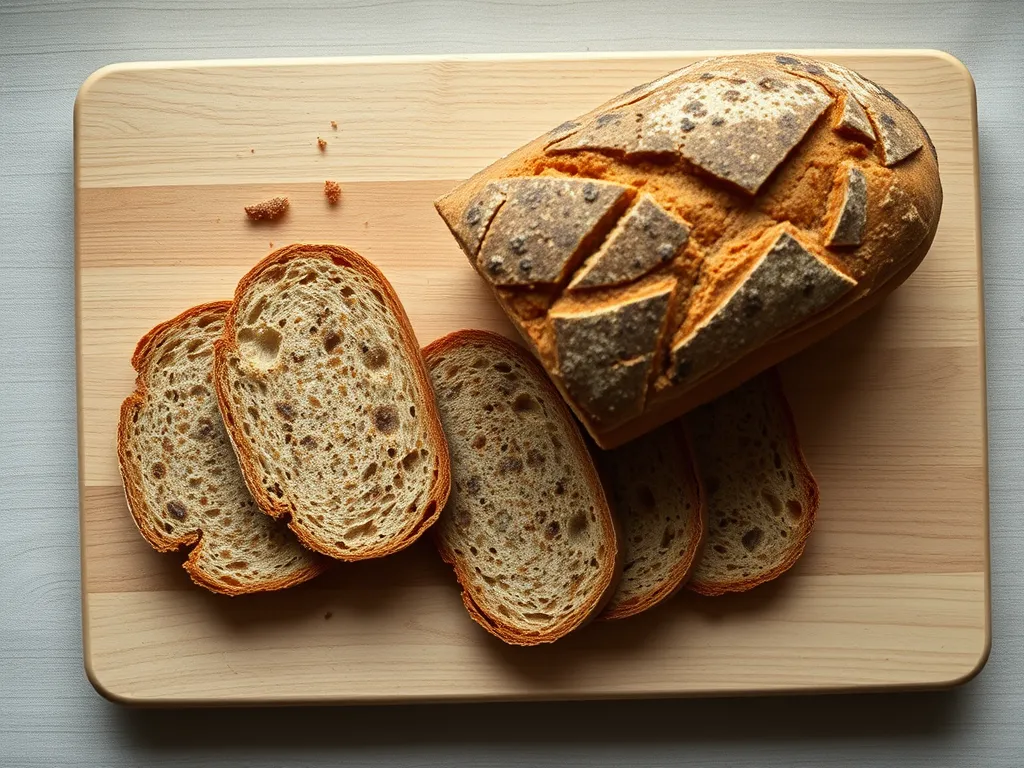
- Fuzzy spots appearing on crust or crumb
- Visible green, white, or black patches
- Musty, sour, or off-putting smell
- Toss immediately
- Discard entire loaf
Day 7 (Discard Now)
7 days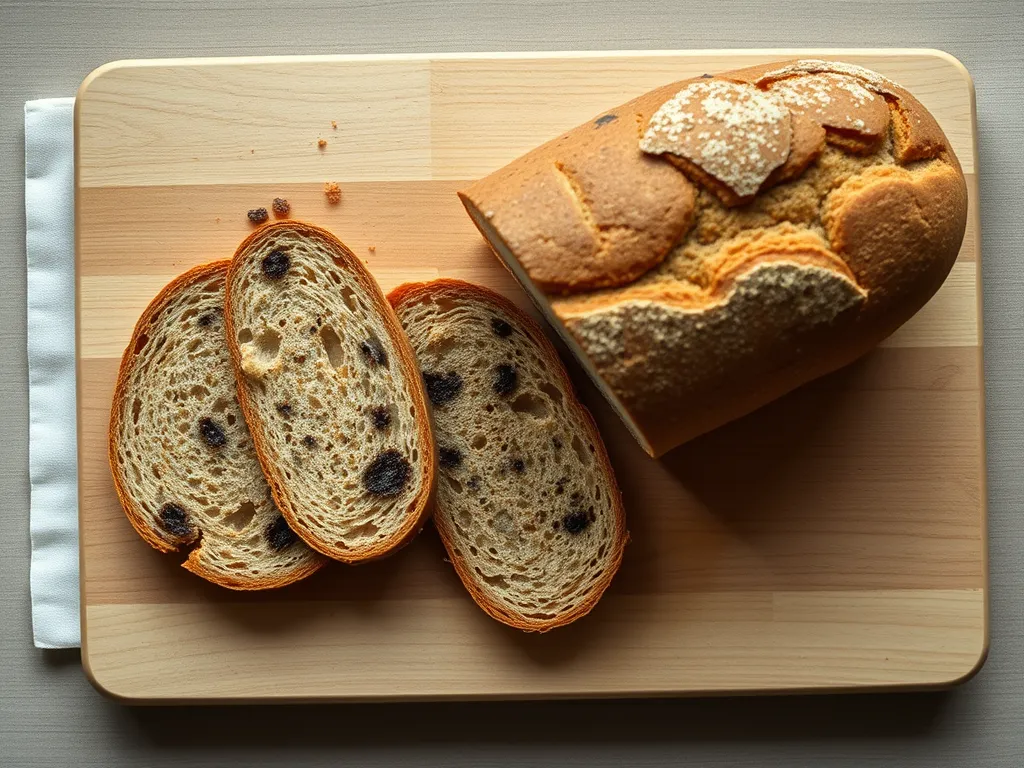
- Mold is clearly visible on multiple slices
- Slices appear damp or slimy
- Strong and unpleasant odor
- Toss in trash
- Discard immediately
Common questions
How long can rye bread stay fresh in the pantry?
Rye bread typically lasts 5–7 days in the pantry before quality declines. To maximize freshness, keep it in a sealed container or wrap.
Can I cut mold off rye bread and eat the rest?
No. Because rye bread is dense, mold can spread through the interior of the loaf even if you only see spots on the surface. Discard the entire loaf if any mold is detected.
Should I refrigerate rye bread to make it last longer?
Refrigeration can actually cause bread to go stale faster due to starch retrogradation. For best quality, store at room temperature in a sealed container or freeze it if you cannot finish it within 5–7 days.
How can I use stale rye bread safely?
If the bread is merely dry but shows no signs of mold or off smells, you can repurpose it by making toast, croutons, or grinding it into breadcrumbs.
Does humidity affect rye bread spoilage?
Yes. High humidity and warmth accelerate both staling and mold growth. A cool, dry pantry is the ideal environment for storage.

Rye bread usually goes stale before it actually spoils, making it great for toast. However, once you see mold, feel slime, or smell something musty, discard the entire loaf.