
Can You Still Eat Sourdough Bread?
How to tell if your sourdough bread is still good to eat.
Sourdough bread lasts 3–5 days on the counter. After this window, it typically transitions from fresh to stale or develops mold.
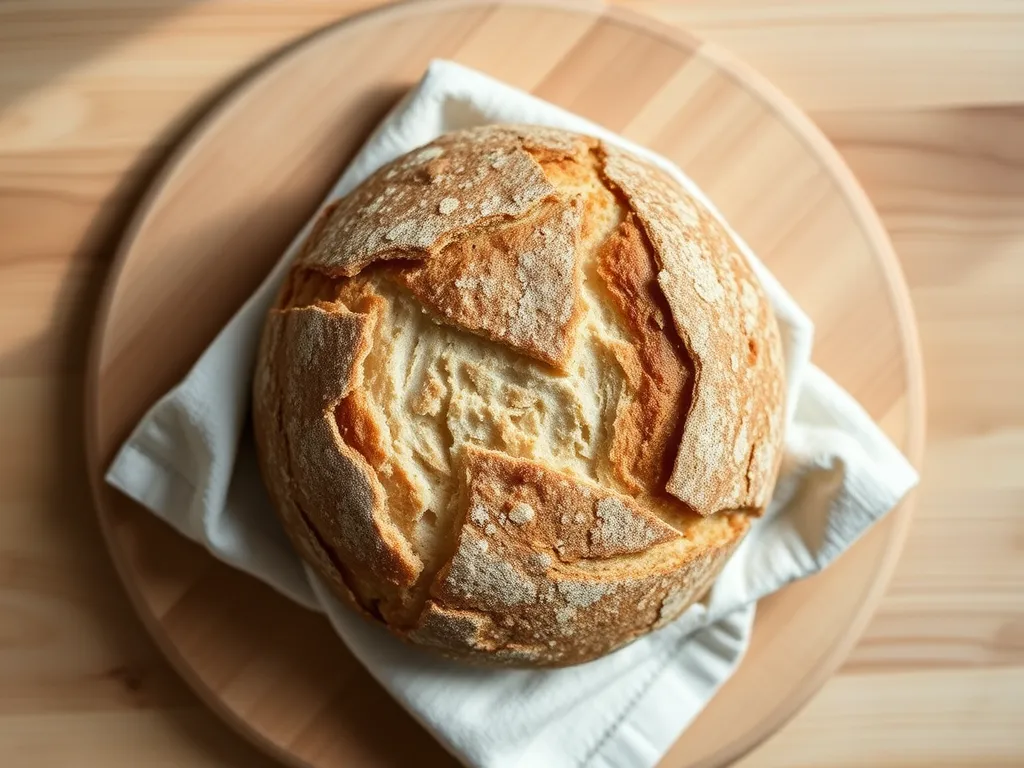
Sourdough bread is a relatively sturdy loaf due to its natural acidity, but it still undergoes rapid changes when left at room temperature. In its prime, you should expect a crisp crust and a springy, moist crumb. As time passes, the texture will shift from soft to dry or stale, and eventually, moisture buildup can lead to mold growth. This guide focuses on counter storage, as this is how most fresh loaves are kept. To determine if your bread is still safe to eat, you must inspect it for three specific indicators: changes in texture (staling), shifts in aroma (off-smells), and visible discoloration (mold). If you see fuzzy spots or smell something musty rather than tangy, discard the loaf immediately.
Heads up: shelf-life ranges are estimates based on home storage. We make no guarantee of accuracy. When unsure, throw it out.
The full timeline
Day 1 (Peak Fresh)
1 day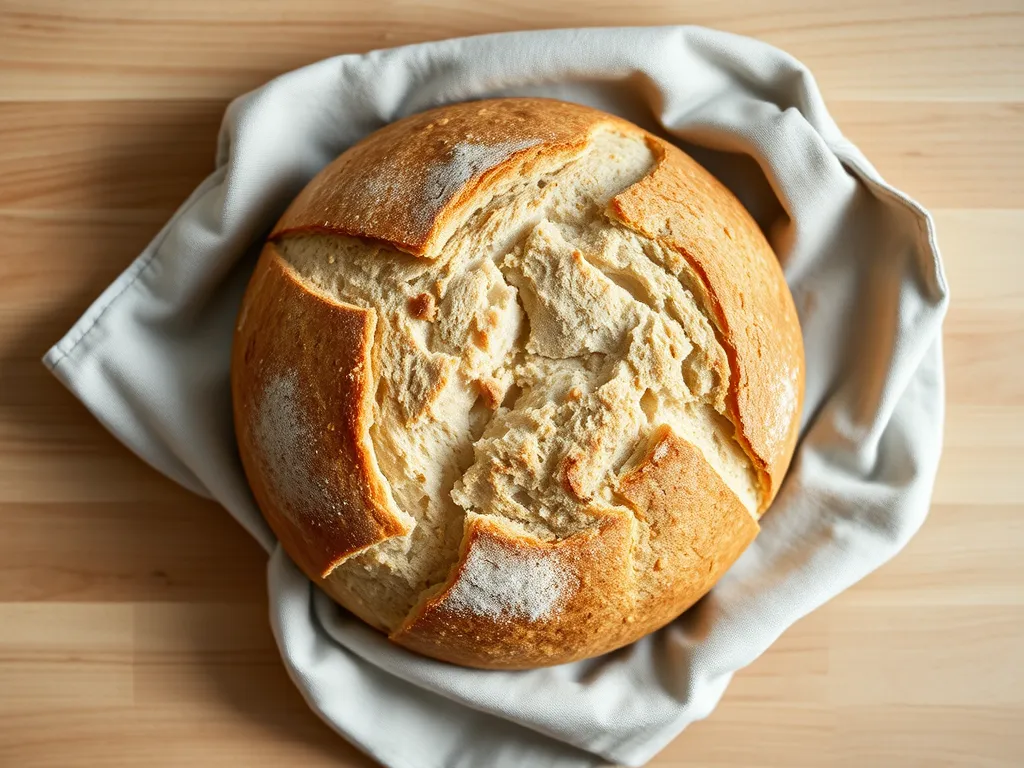
- Crust is crisp and matte
- Interior crumb is moist and airy
- No signs of dryness at the cut edge
- Eat fresh
- Slice for sandwiches
Day 3 (Getting Stale)
3 days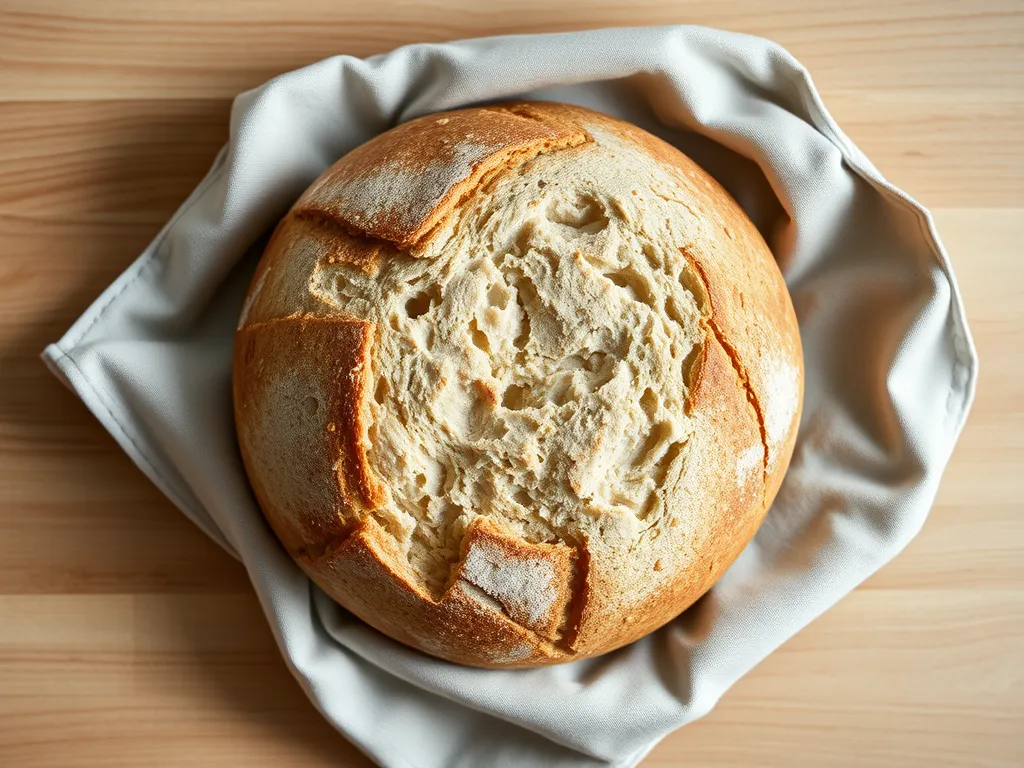
- Crust feels noticeably firmer
- Slices appear drier or more porous
- Increased crumbly texture when sliced
- Toast with butter
- Use for homemade croutons
Day 4 (Dry Side)
4 days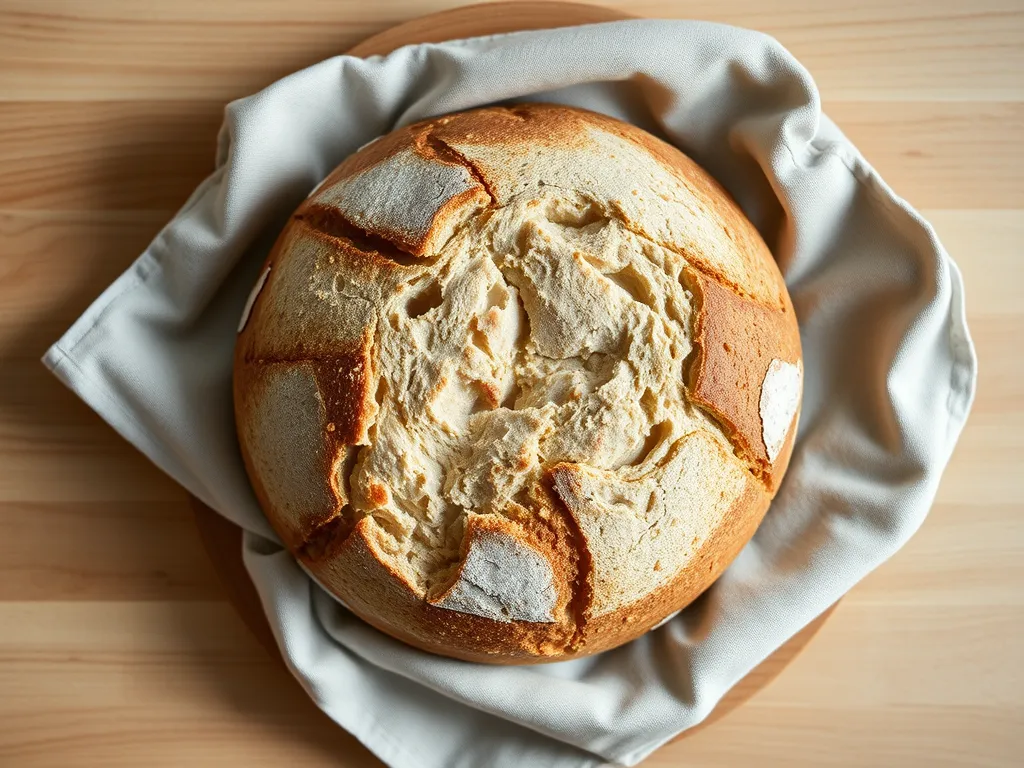
- Surface feels dry or leathery
- Crumb lacks springiness
- Flavor profile feels muted
- Toast thoroughly
- Use for French toast or bread pudding
Day 5 (Toss Check)
5 days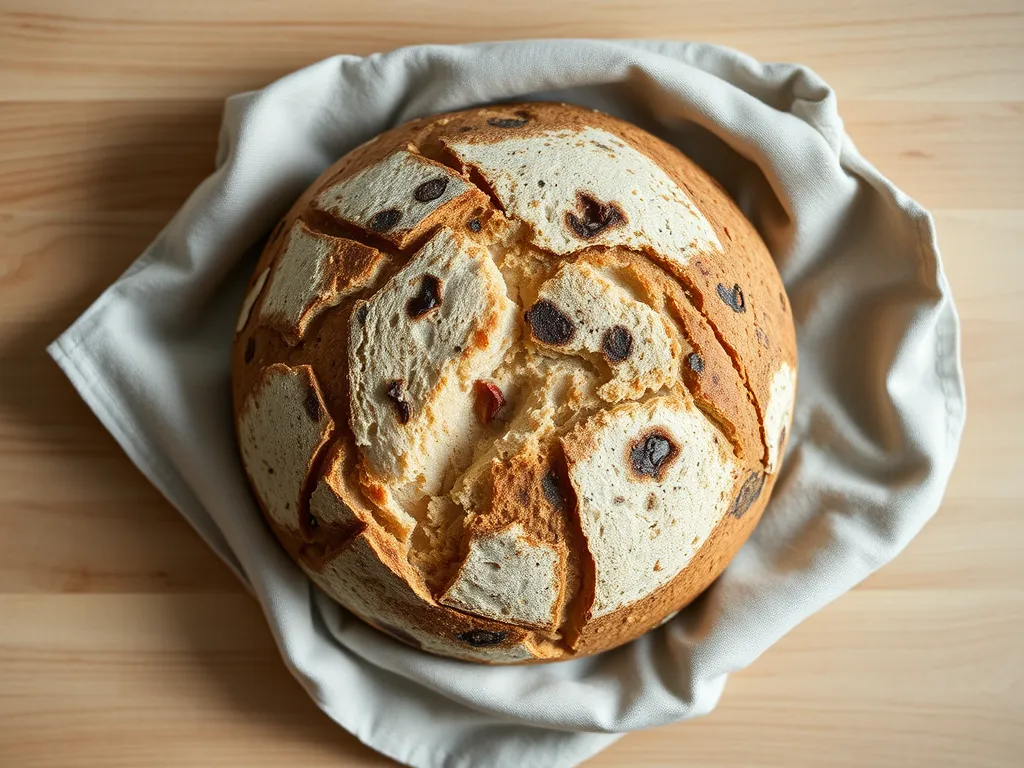
- Visible mold spots (green, white, or black)
- Musty or fermented off-smell
- Slimy or damp patches on the surface
- Discard immediately
- Toss in compost
Common questions
How long will sourdough bread stay fresh on the counter?
Sourdough bread typically stays fresh for 3–5 days when stored on the counter. Quality declines after this period as the bread dries out or begins to mold.
What is the best way to store sourdough bread to keep it fresh?
To maintain freshness, wrap your loaf loosely in a clean cloth or place it in a paper bag. This allows for airflow while preventing the crust from becoming too hard.
Can I refrigerate sourdough bread to make it last longer?
Refrigeration can actually cause sourdough to go stale faster due to starch retrogradation. For short-term use, the counter is better; for long-term storage, use the freezer.
Can you eat sourdough bread after 5 days?
Only if there are no visible signs of mold and no off-smells. However, most sourdough will be quite stale by this point.
Does toasting sourdough bread make it safe if it is stale?
Toasting restores the texture of stale bread, but it cannot make moldy or spoiled bread safe to eat. If you see mold, discard the loaf.

Sourdough bread follows a predictable path: first it gets dry and stale, then it spoils. Watch for texture changes around day 3, and check closely for mold by day 5.