
Is Parmesan Safe to Freeze?
Freezer Storage Guide & Spoilage Cues
Parmesan keeps about 1–2 months in the freezer.
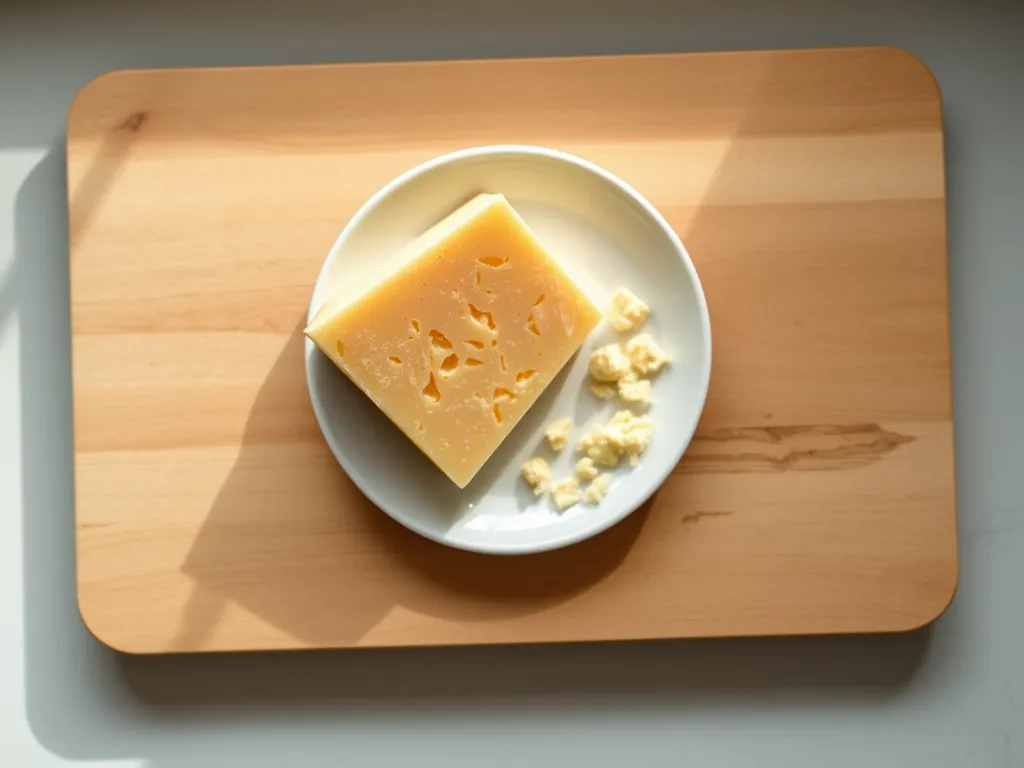
Freezing is an effective way to extend the life of Parmesan, though it primarily serves as a method to slow quality loss rather than preserve it indefinitely. Because Parmesan has low moisture content, it handles freezing better than many other cheeses, but you should expect some textural changes. Frozen wedges often become more crumbly or dry once thawed, whereas grated Parmesan maintains its utility quite well. To get the most out of your frozen cheese, consider portioning or grating it before it enters the freezer. This guide outlines the timeline for quality retention and provides specific indicators to help you distinguish between natural dehydration and actual spoilage.
Heads up: shelf-life ranges are estimates based on home storage. We make no guarantee of accuracy. When unsure, throw it out.
The full timeline
Day 1 (Peak Fresh)
day 1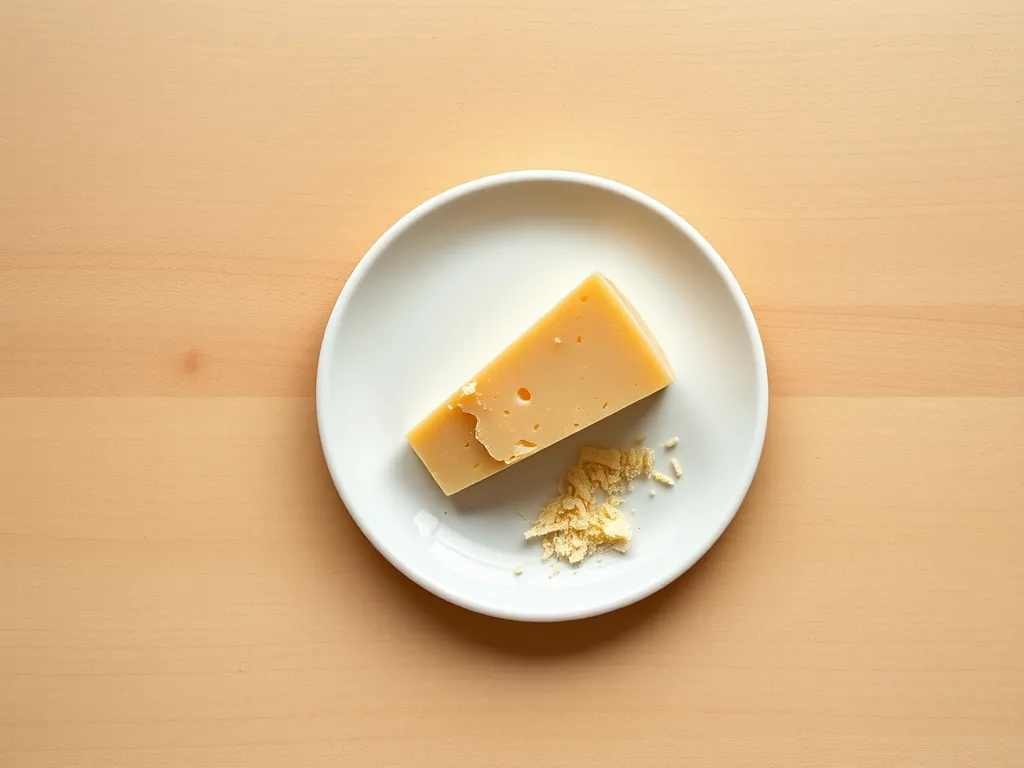
- Pale ivory interior with a firm, dry edge
- Clean, nutty surface without damp spots
- Fluffy, well-separated shavings
- Freeze immediately
- Grate before freezing
- Wrap tightly to prevent air exposure
Day 30 (Still Good)
2–4 weeks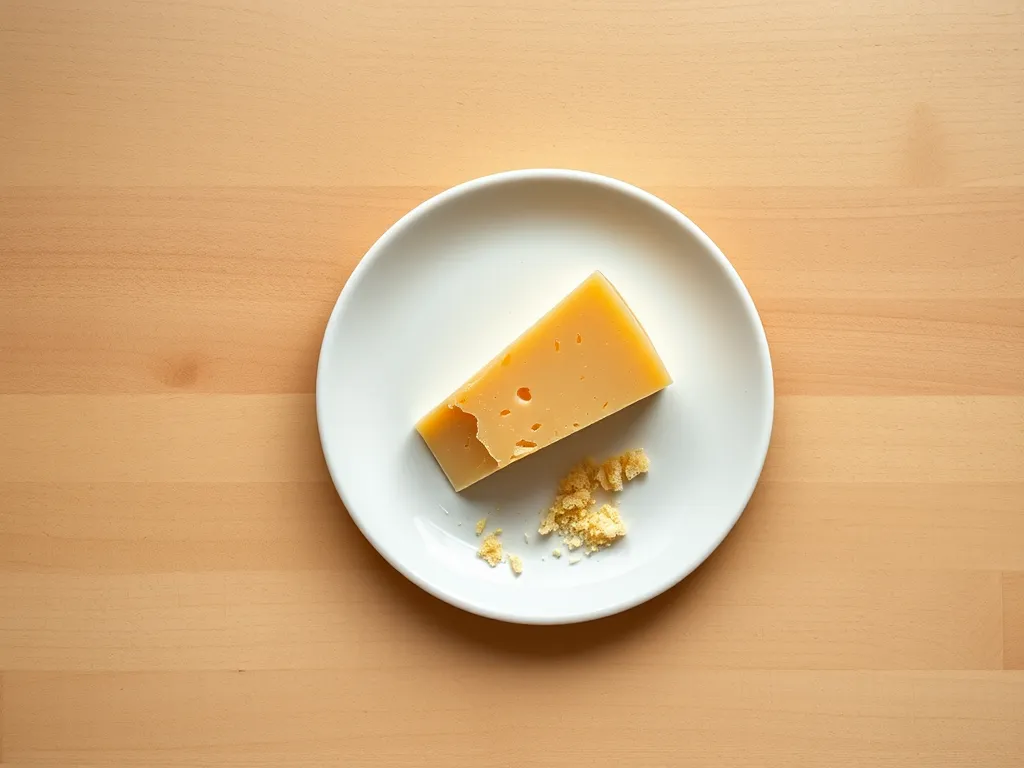
- Texture remains mostly firm
- Edges appear slightly drier than fresh
- Flavor profile stays sharp and nutty
- Continue frozen storage
- Use in pasta dishes
- Grate into soups or sauces
Day 45 (Quality Fade)
1–2 months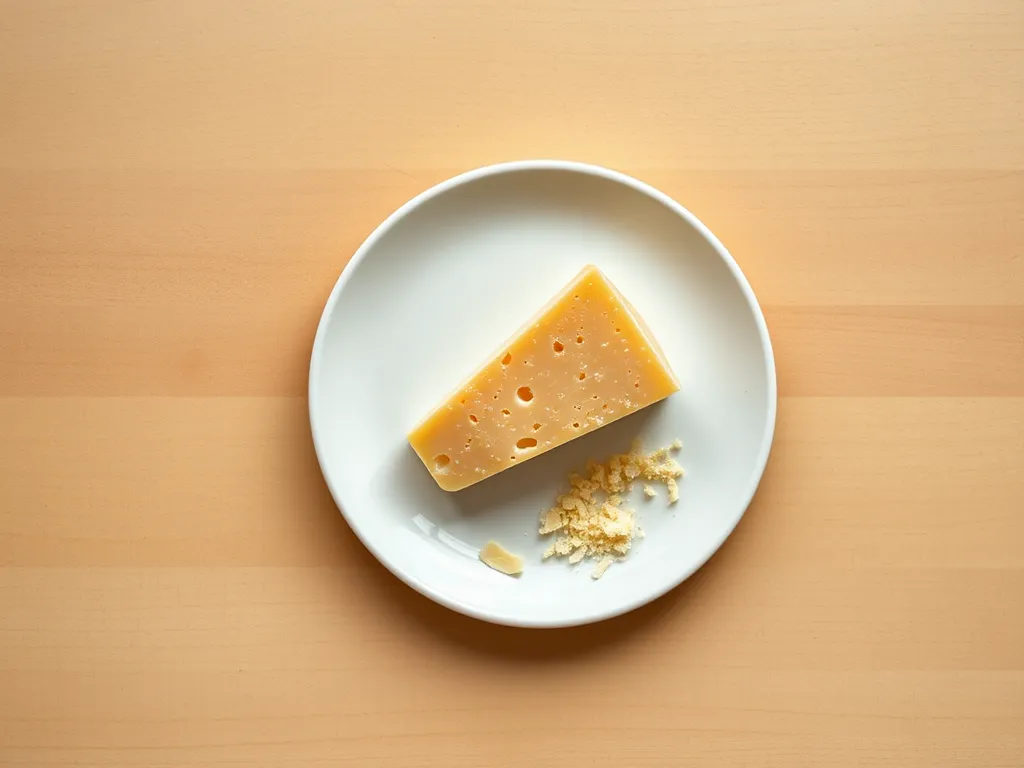
- Increased crumbliness after thawing
- Frosty or dehydrated surface appearance
- Muted aroma compared to fresh cheese
- Use as soon as possible
- Grate directly from frozen
- Check for off odors before using
Day 60 (Toss If Spoiled)
about 2 months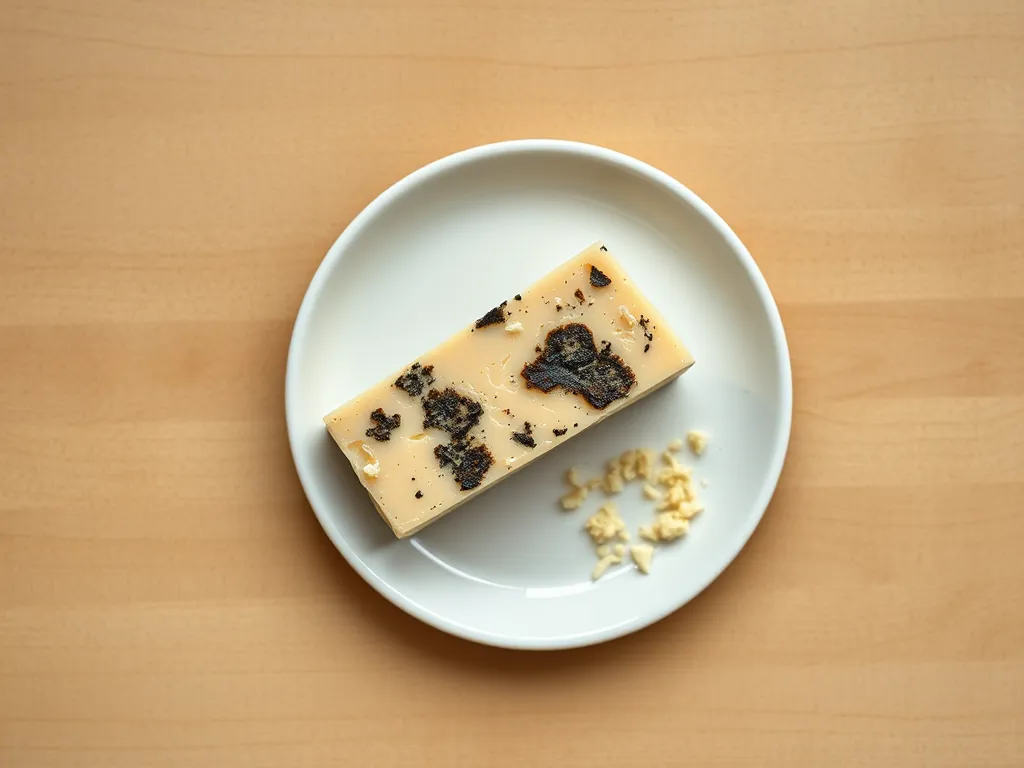
- Visible mold or fuzzy patches
- Discoloration (yellow, pink, or dark spots)
- Sour, rancid, or ammonia-like smell
- Discard
- Do not taste
- Replace with fresh stock
Common questions
How should I store Parmesan to keep it fresh?
Wrap the cheese tightly in parchment or wax paper and place it inside an airtight container. This setup prevents the cheese from drying out excessively or absorbing unwanted odors.
Can Parmesan be frozen for longer storage?
Parmesan is safe to freeze, but its quality is best within 1–2 months. To maintain texture, wrap it tightly or portion it before freezing to minimize air contact.
Does freezing change the texture of Parmesan?
Yes, freezing can make Parmesan more crumbly and dry when thawed, particularly if stored as a solid wedge. For best results, use frozen pieces in cooked recipes where texture is less noticeable.
Is it safe to eat Parmesan after it has been in the freezer?
Parmesan can be eaten up to 2 months after freezing, but quality typically declines toward the end of that period. Always inspect for mold or off smells before consuming.
When should I throw away my Parmesan cheese?
Discard the cheese if you notice visible mold, slimy textures, or a sour/ammonia smell. If it looks or smells off, do not taste it; simply toss it out.

Parmesan is well-suited for freezing for 1–2 months; just watch for signs of spoilage like mold or odd odors and discard if they appear.