
Is Brie Safe To Eat In The Fridge?
How to Identify Fresh vs. Spoiled Brie
Brie lasts 1–2 weeks in the refrigerator before quality drops and spoilage risk rises.
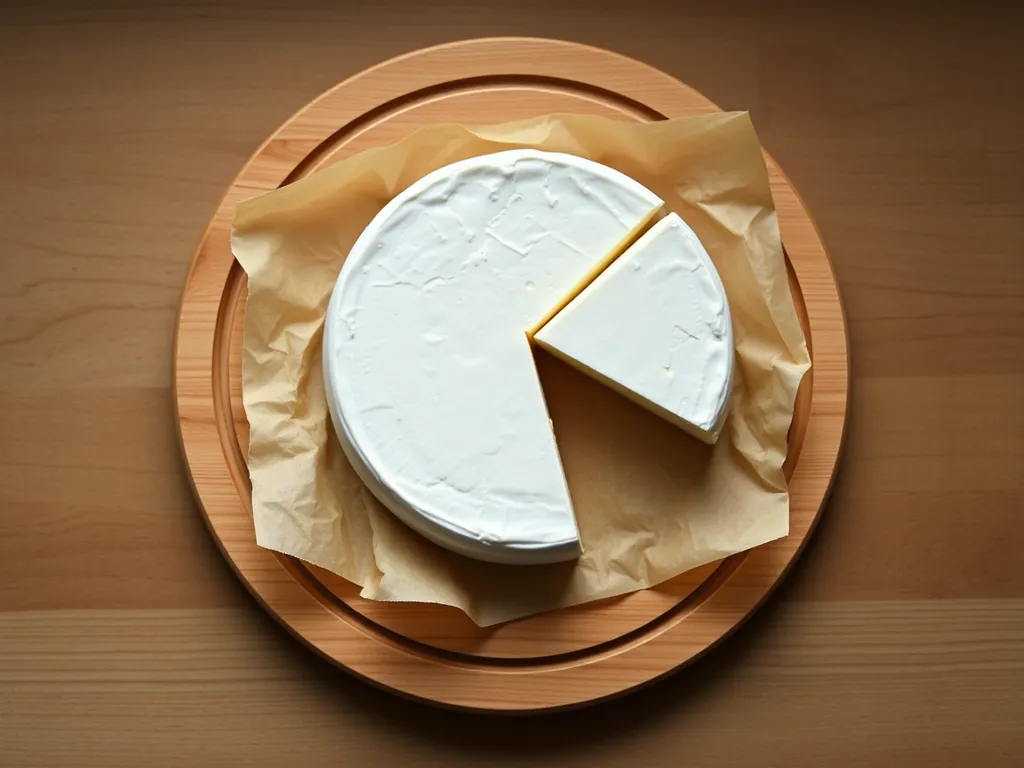
Brie is a soft-ripened cheese characterized by its delicate edible rind and creamy, buttery interior. Because of its high moisture content, it has a much shorter shelf life than hard cheeses like cheddar or parmesan. When stored properly in the refrigerator, brie typically remains at peak quality for 1–2 weeks. Beyond this window, the texture may become excessively runny, the aroma can develop a sharp ammonia scent, and the rind may show signs of unwanted mold growth. To ensure food safety, you must evaluate the cheese's smell, color, and surface texture before serving. This guide provides clear visual and sensory cues to help you determine if your brie is fresh, past its prime, or unsafe to eat.
Heads up: shelf-life ranges are estimates based on home storage. We make no guarantee of accuracy. When unsure, throw it out.
The full timeline
Day 1 (Peak Fresh)
0-3 days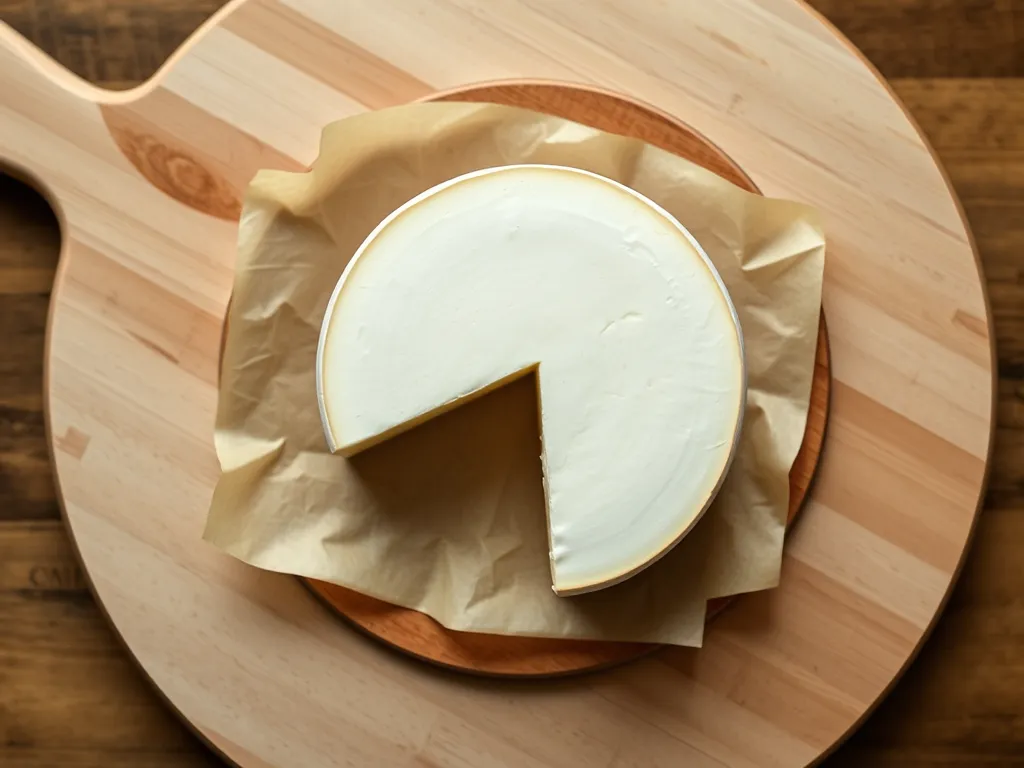
- Rind appears clean, white, or pale
- Texture is smooth and slightly springy to the touch
- Mild, mushroomy, or earthy aroma
- Surface is dry and free of slime
- Eat immediately
- Serve chilled
- Keep wrapped tightly
Day 5 (Softening Up)
4-7 days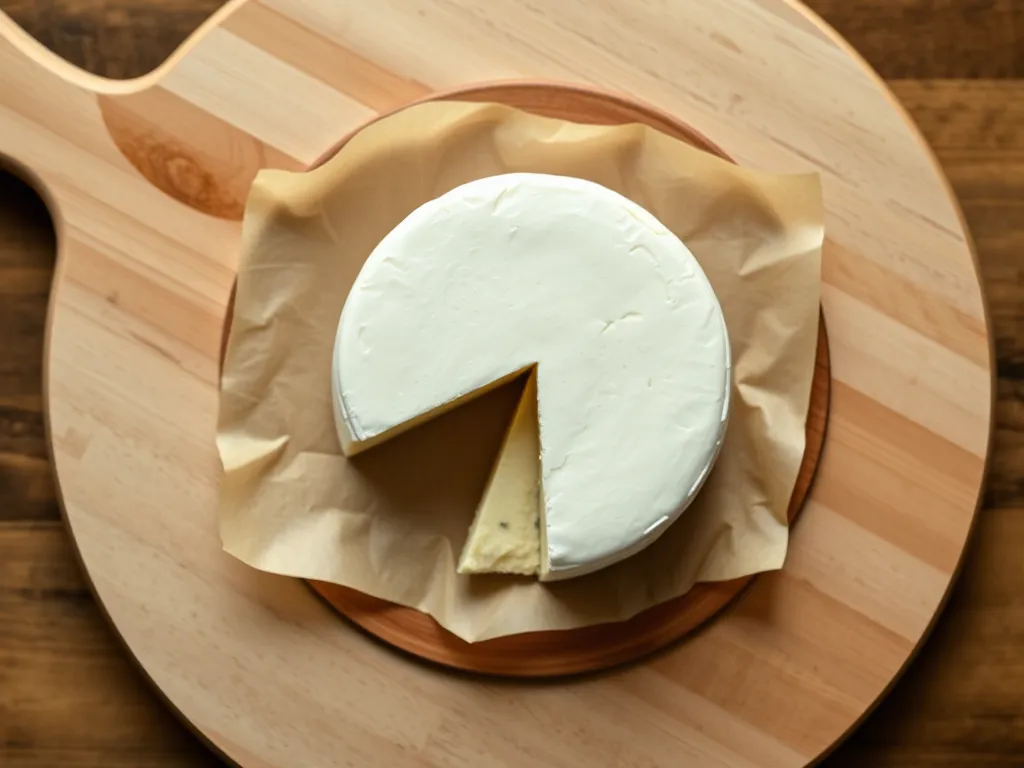
- Center becomes much softer or spreads easily
- Rind may appear slightly moist or glossy
- Aroma is stronger but remains pleasant
- Edges of the cheese look slightly translucent
- Eat soon
- Bake briefly for a warm dip
- Keep refrigerated
Day 10 (Past Prime)
8-12 days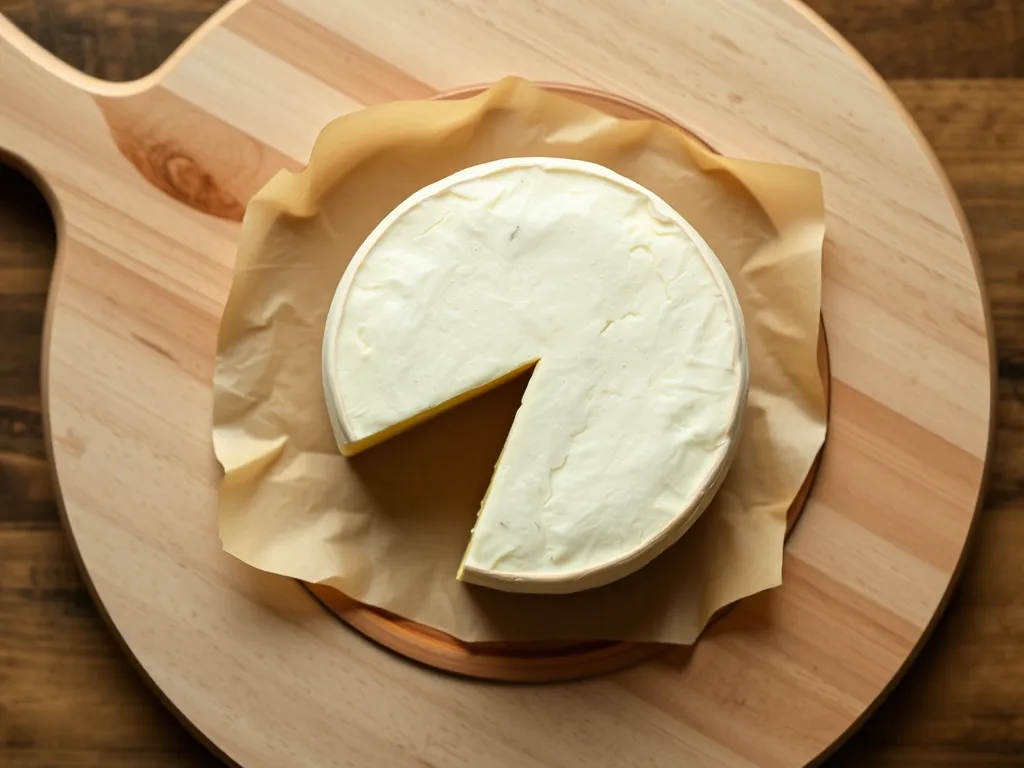
- Texture turns very runny or liquid-like
- Rind may appear wrinkled, cracked, or shrunken
- Smell becomes sharp, pungent, or ammonia-like
- Color shifts toward a dull or dark yellow
- Use only if no spoilage signs are present
- Trim away any dry spots
- Toss if odor is unpleasant
Day 14 (Toss It)
13-14 days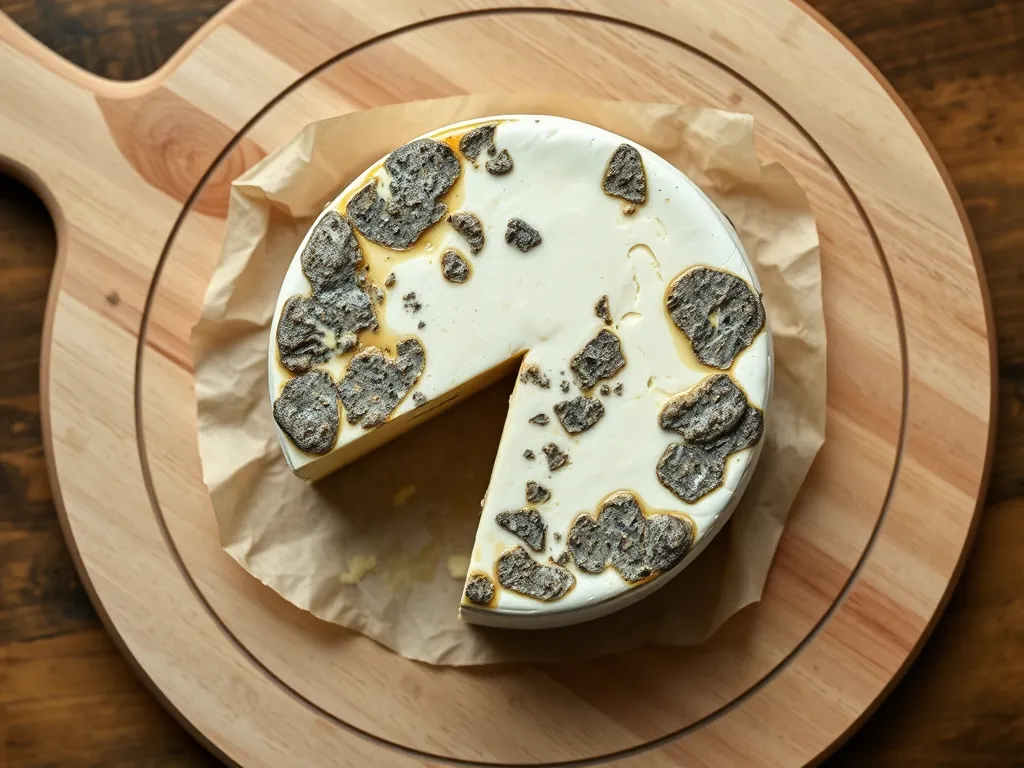
- Visible mold appearing outside the white rind
- Surface feels slimy, sticky, or wet
- Strong ammonia or sour/vinegary odor
- Discoloration spreading into the creamy paste
- Toss
- Discard
- Do not taste
Week 3 (Unsafe Zone)
15+ days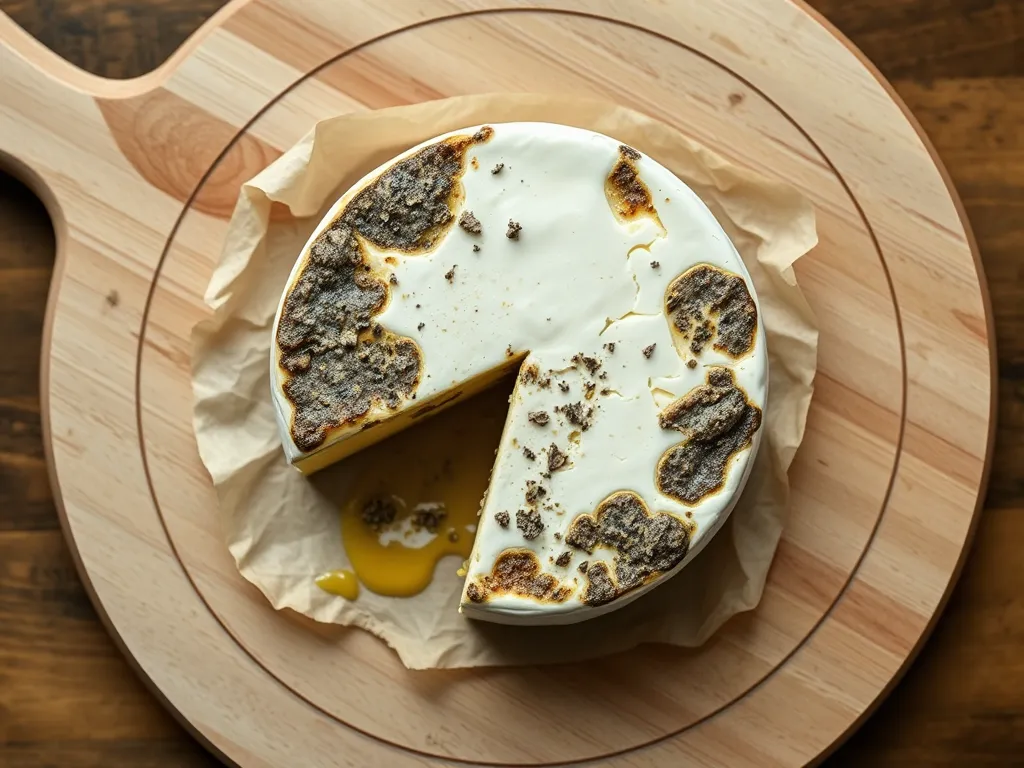
- Obvious fuzzy mold growth (green, black, or blue)
- Liquid weeps heavily from the surface
- Rind has completely broken down and looks slimy
- Aggressive, sour, or putrid odor
- Toss
- Discard
- Do not serve
Common questions
How long will Brie stay fresh in the refrigerator?
Brie typically lasts 1–2 weeks in the refrigerator. After this time, the quality begins to decline and the risk of spoilage increases.
Does Brie need to be kept in the refrigerator?
Yes. To maintain its safe texture and prevent rapid spoilage, brie should always be stored in the refrigerator, ideally wrapped tightly or kept in a container to manage moisture.
Can I freeze Brie if I can't finish it in time?
You can freeze brie for up to 6 months. However, note that freezing changes the texture, making it more crumbly and less creamy once thawed.
Is mold on Brie always a sign of spoilage?
Not necessarily; the white rind is a natural part of the cheese. However, if you see fuzzy green, blue, or black mold, it is not normal and should be discarded.
What are the signs that Brie has spoiled?
Look for a sharp, sour, or ammonia-like odor, a slimy surface texture, or discoloration spreading into the cheese paste. Fresh brie should smell mild and earthy.

Brie is best when it stays mild, creamy, and clean-looking. In the refrigerator, 1–2 weeks is the safe freshness window; after that, odor and surface changes decide its fate.