
How Long Does Basmati Rice Last in the Pantry?
Pantry Storage Guide
Basmati rice lasts about 4–5 years in the pantry when kept in a cool, dry, and airtight environment.
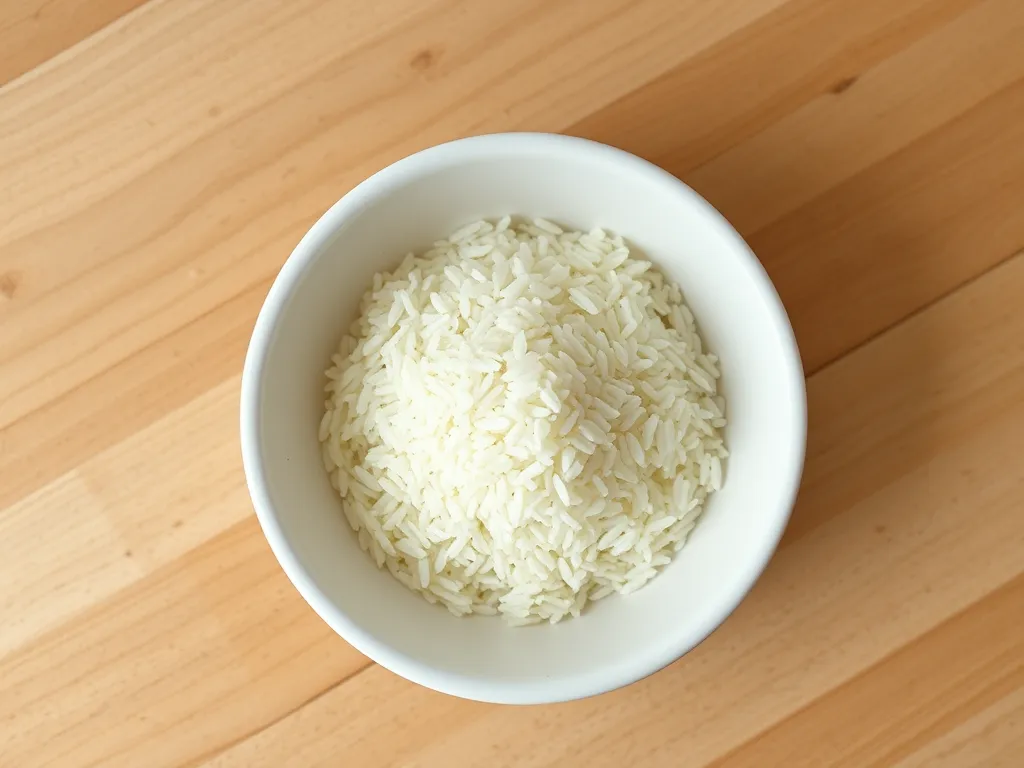
Basmati rice is a highly stable pantry staple with an impressive shelf life. When stored correctly—meaning it remains sealed away from moisture, heat, and pests—dry basmati rice can remain safe to eat for several years. However, there is a distinction between food safety and food quality. While the rice may stay safe to consume long after its peak, the signature fragrant aroma and delicate nutty flavor that define premium basmati rice will gradually diminish over time. This guide helps you distinguish between natural aging, such as a loss of fragrance, and actual spoilage caused by moisture or infestation. By monitoring visual cues and scent, you can ensure your pantry staples remain both delicious and safe for cooking.
Heads up: shelf-life ranges are estimates based on home storage. We make no guarantee of accuracy. When unsure, throw it out.
The full timeline
Day 1 (Peak Fresh)
fresh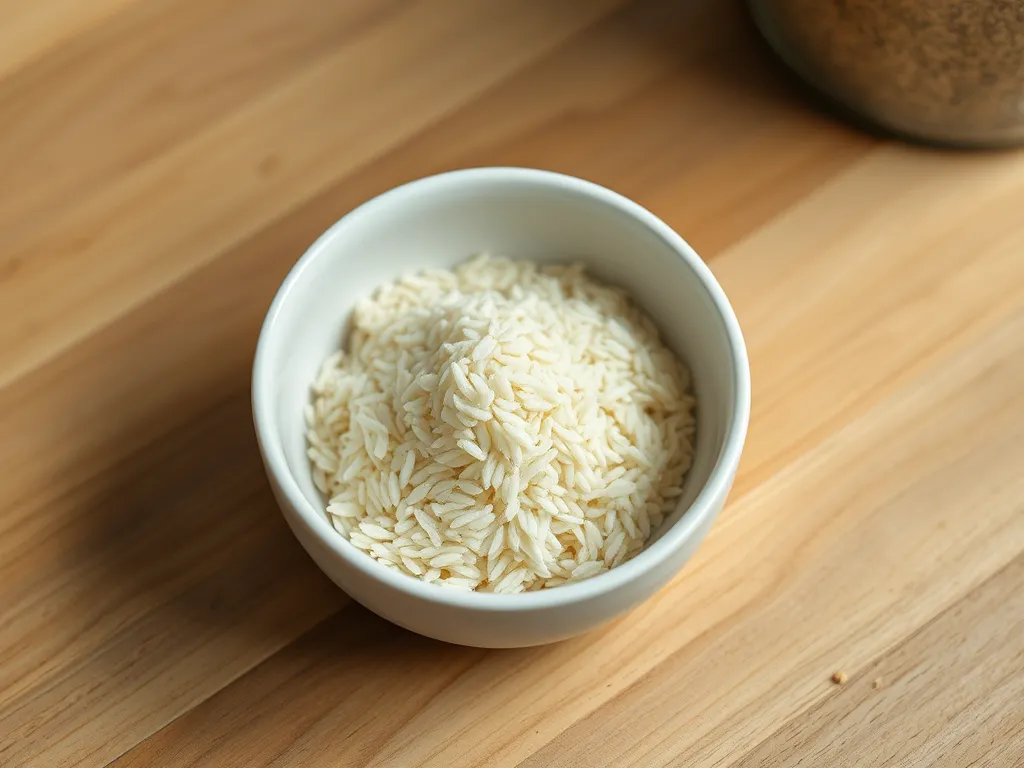
- Grains appear long, slender, and ivory-colored.
- Texture is completely dry with no clumping.
- Aroma is clean, mild, and slightly nutty.
- Store in an airtight container
- Use for high-aroma dishes like pilaf
Week 2 (Still Stable)
weeks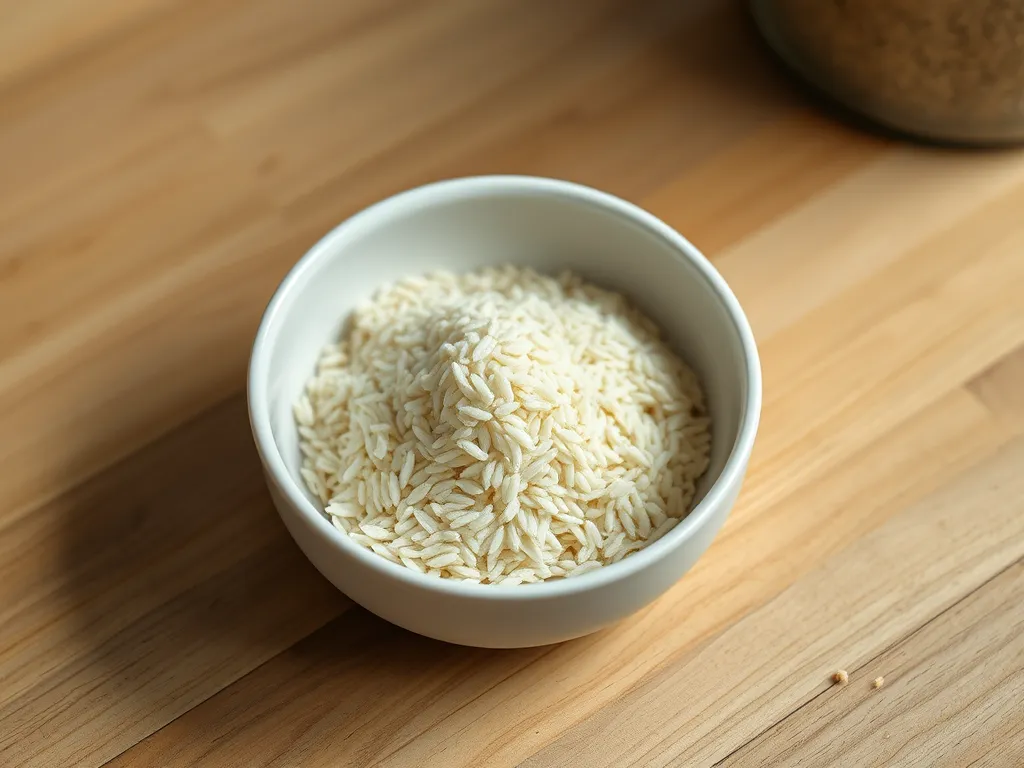
- Grains remain loose and easy to pour.
- Color remains consistent throughout the batch.
- No detectable musty odor or signs of insects.
- Continue standard pantry storage
- Cook as usual
Month 12 (Quality Fade)
months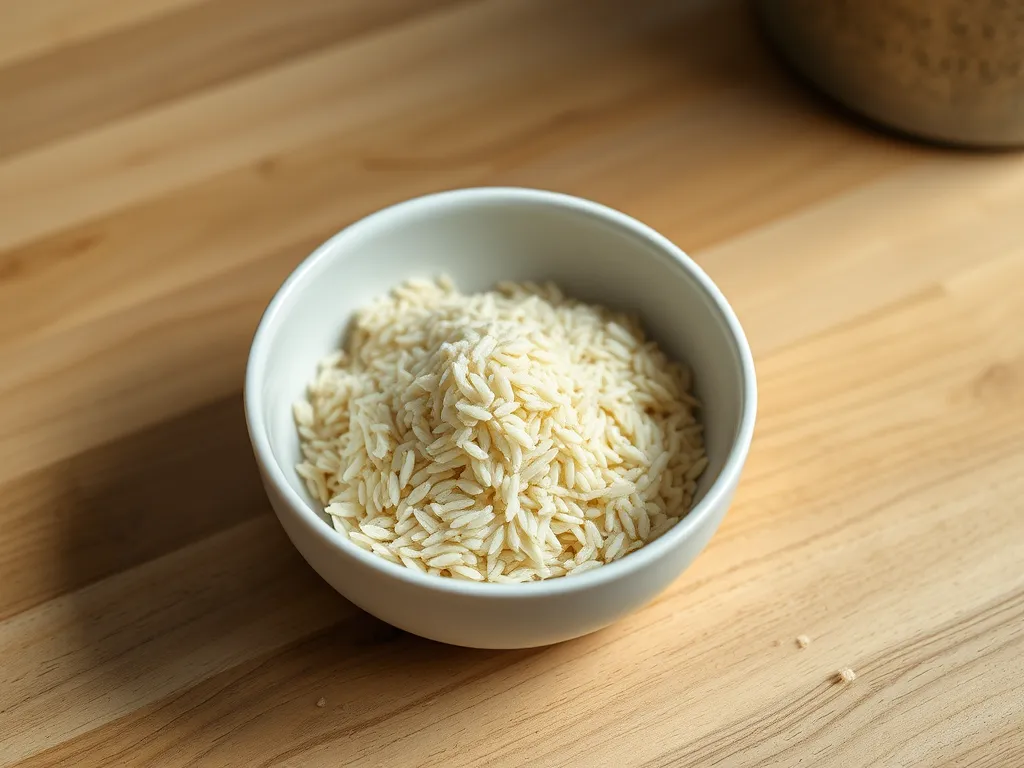
- Fragrance is noticeably fainter than when first opened.
- Grains may appear slightly duller in color.
- Texture remains dry and free of clumps.
- Use for soups or stews where aroma is less critical
- Incorporate into mixed grain dishes
Year 4 (Past Prime)
years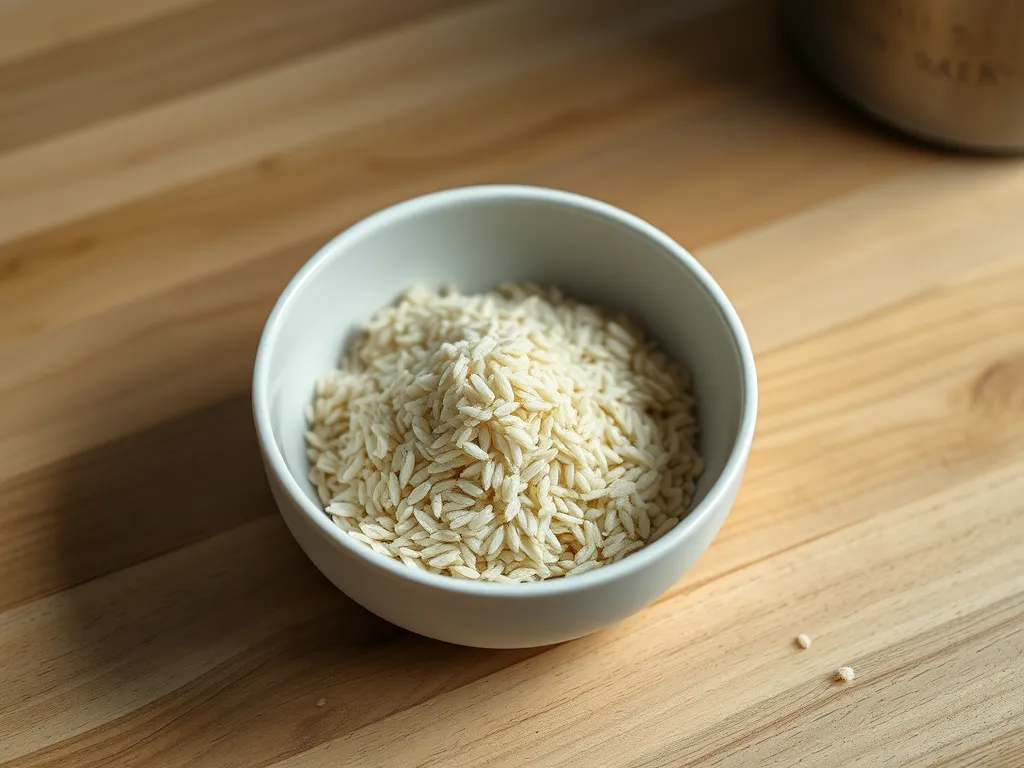
- Aroma smells stale or flat.
- Grains may feel dusty or show uneven textures.
- Potential for slight clumping if humidity has fluctuated.
- Inspect closely for pests or moisture
- Replace if flavor is no longer acceptable
Year 5 (Discard)
4-5 years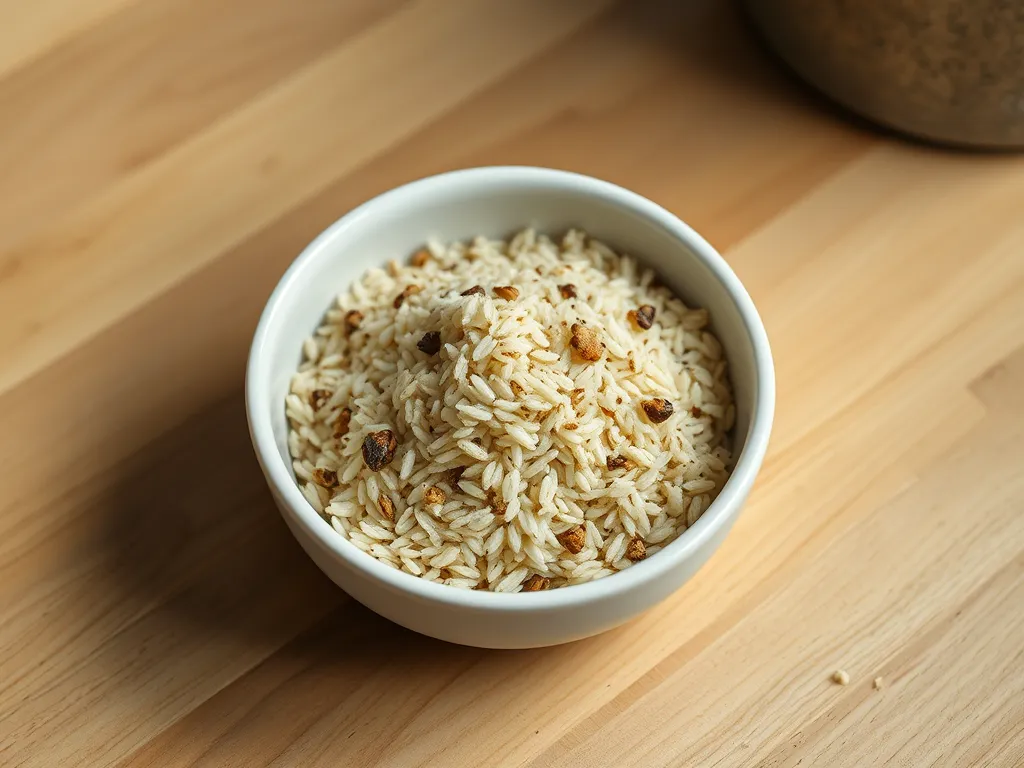
- Strong musty, sour, or rancid odor.
- Presence of insects, webbing, or small droppings.
- Visible mold, discoloration, or hard clumps from moisture.
- Discard
- Toss in the trash
Common questions
How long does basmati rice stay fresh in the pantry?
Basmati rice typically lasts 4–5 years in a cool, dry pantry. While it may remain safe to eat longer if kept perfectly sealed, its flavor and aroma will fade over time.
How should I store basmati rice to maximize shelf life?
To maintain quality, store basmati rice in an airtight container. Keep the container in a cool, dark, and dry place like a pantry to protect it from moisture and pests.
Does basmati rice need to be refrigerated or frozen?
Raw basmati rice does not require refrigeration. Freezing is generally unnecessary for dry grains unless you are storing large quantities for very long periods; however, cooked rice must be refrigerated or frozen.
What are the signs that basmati rice has gone bad?
Discard rice if you notice a musty or sour smell, visible insects, webbing, mold, or clumps caused by moisture exposure.

Basmati rice is a reliable long-term pantry staple. If kept in an airtight container in a cool space, it can stay good for 4–5 years. Always check the scent and look for pests before cooking older grains.