
Is White Rice Safe to Keep on the Counter?
Shelf Life and Storage Safety for Dry White Rice
White rice stays safe on the counter for 4–5 years if kept dry and sealed.
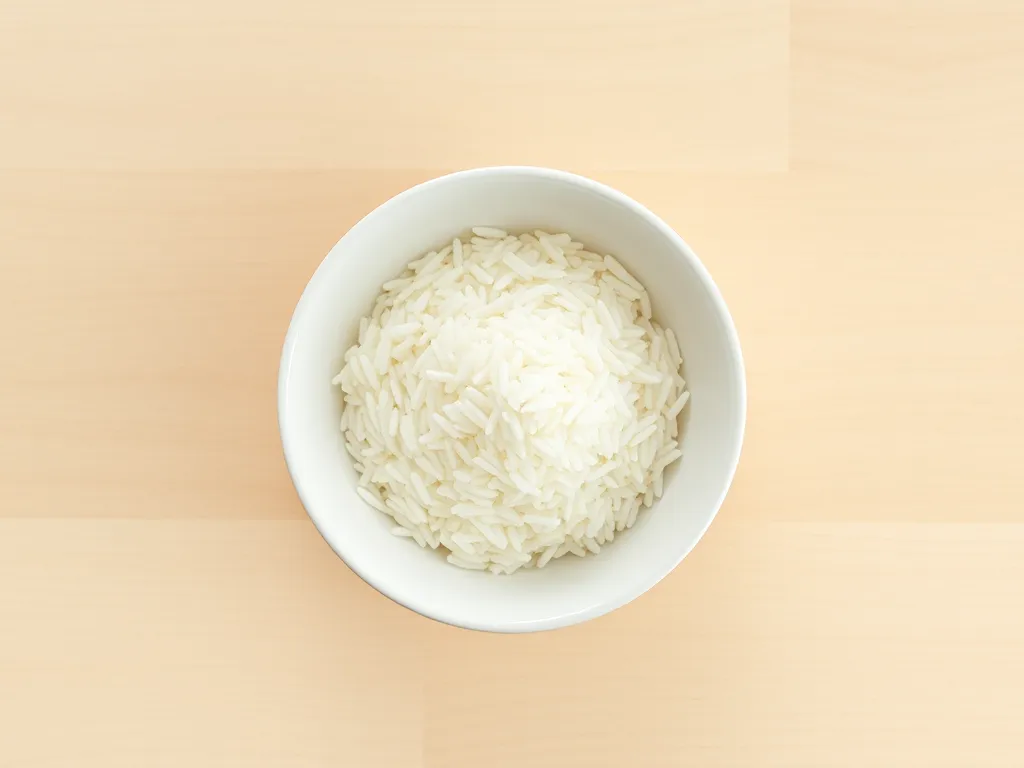
White rice is one of the most durable pantry staples available. When stored in a cool, dry environment and kept tightly sealed, the grains remain safe for several years. The primary risks to long-term storage are moisture infiltration, extreme heat, and pantry pests rather than natural expiration. It is important to note that this guidance applies specifically to uncooked white rice; once cooked, the safety window narrows significantly and requires refrigeration. Sage the otter focuses on identifying visible spoilage cues—such as mustiness or insect activity—to help you decide whether to keep your supply or toss it.
Heads up: shelf-life ranges are estimates based on home storage. We make no guarantee of accuracy. When unsure, throw it out.
The full timeline
Day 1 (Dry Fresh)
day 1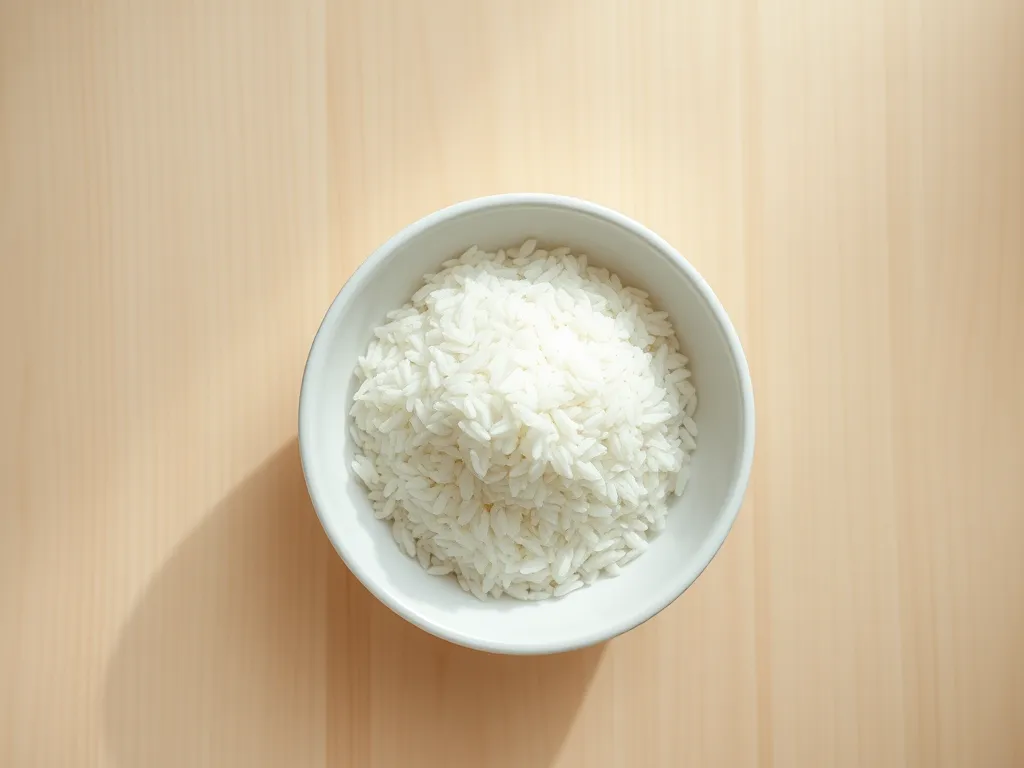
- Grains are bright white and uniform in color.
- Texture is dry, loose, and free-flowing.
- No detectable odors or clumping.
- Store in an airtight container
- Use for cooking
Week 12 (Still Stable)
weeks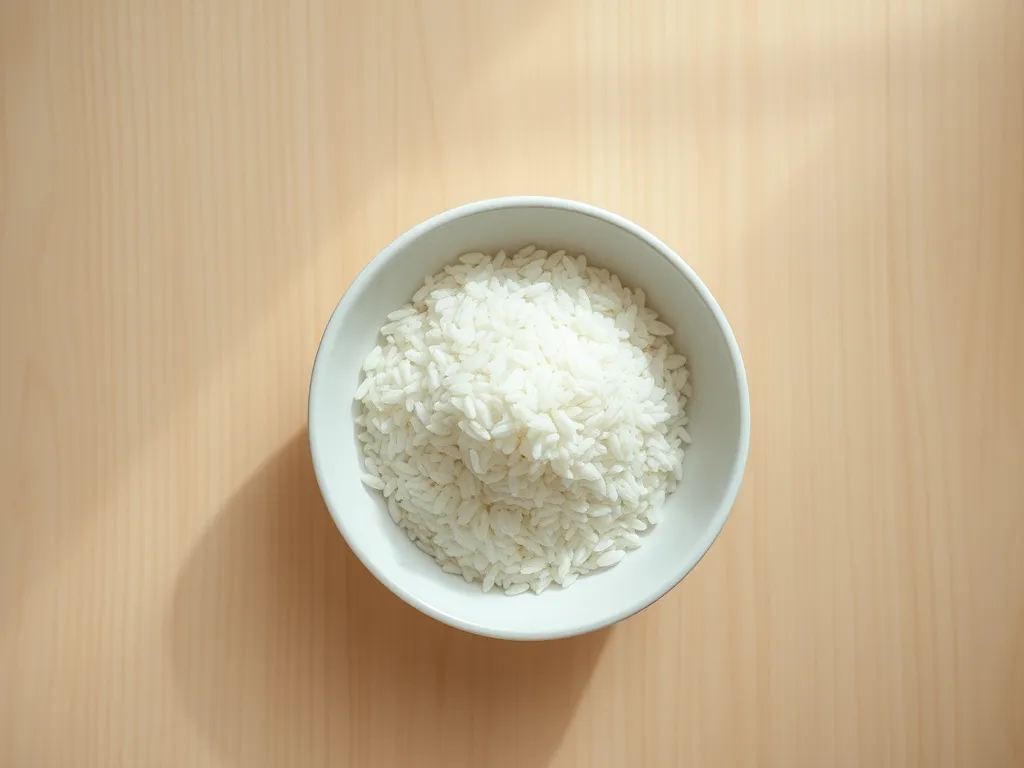
- Color remains pale and consistent.
- Grains flow easily without sticking together.
- Packaging is intact with no signs of pests or air leaks.
- Maintain current storage
- Cook normally
Year 2 (Quality Drift)
years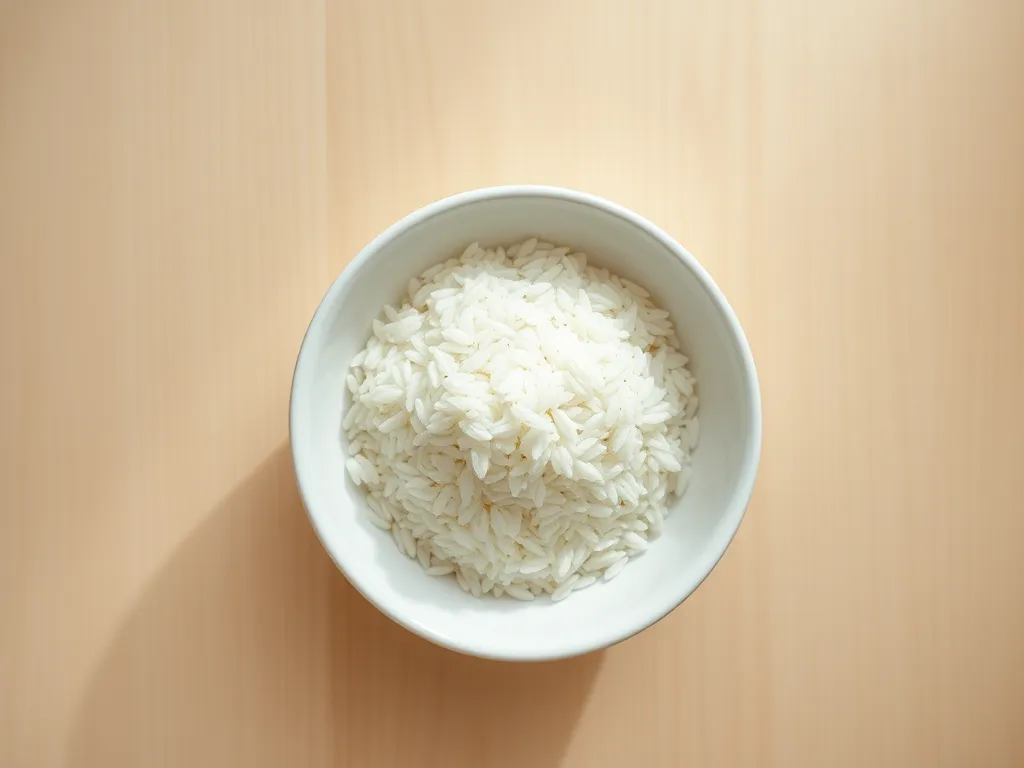
- Possible slight yellowing or a duller appearance.
- Grains may feel less crisp to the touch.
- A mild stale scent may be present if air exposure occurred.
- Perform a close sensory inspection
- Toss if signs of pests or moisture appear
Year 4 (Storage Limit)
4–5 years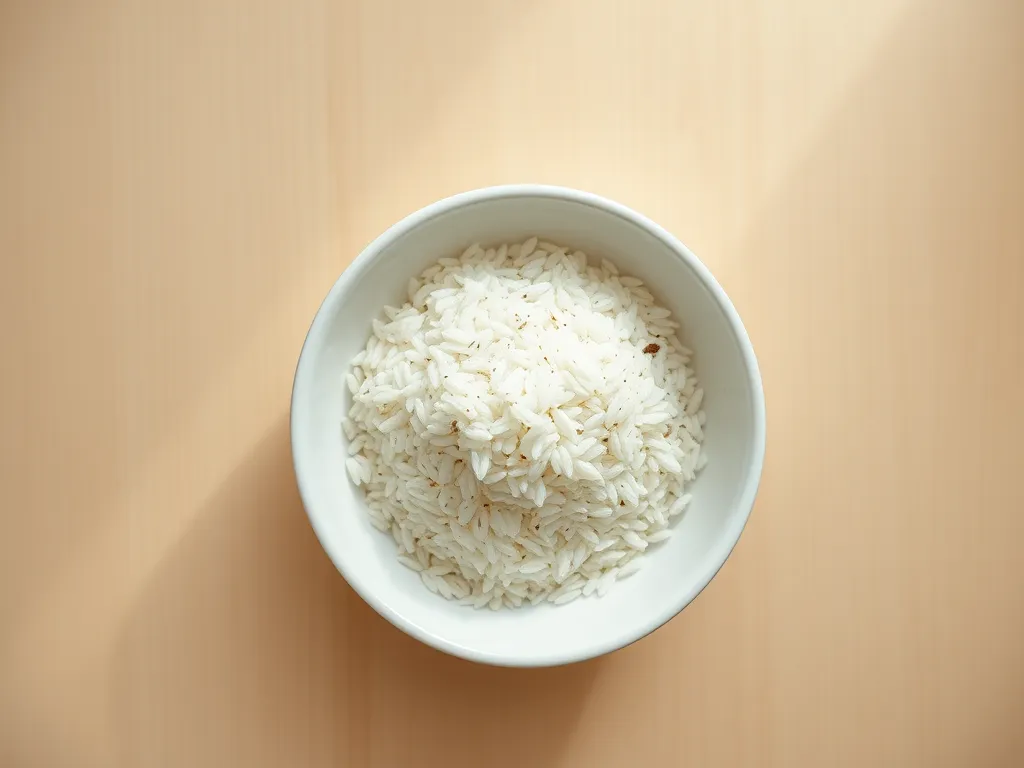
- Musty or stale odors are more prominent.
- Clumping indicates hidden moisture absorption.
- Presence of webbing, mold, or insects.
- Discard if spoilage signs are present
- Do not consume if it smells musty
Common questions
Can white rice go bad on the counter?
Yes. While dry white rice can stay safe on the counter for 4–5 years if kept dry and sealed, it can spoil if exposed to moisture, extreme heat, or pests. Discard the rice if it smells musty, feels damp, or shows signs of insect infestation.
How do I tell if white rice is unsafe to eat?
Inspect the grains for clumping caused by moisture, a stale or musty odor, discoloration, or the presence of webbing and bugs. If any of these indicators are present, the rice should be discarded.
Does white rice need to be refrigerated?
No, dry white rice does not require refrigeration. It is best stored in a sealed container on a counter or in a pantry. Refrigerating dry grains can actually introduce moisture if the seal is not perfectly airtight.
Can you freeze dry white rice?
You can freeze dry white rice, but it is unnecessary for shelf-stable grains. A sealed container in a cool, dry pantry is the standard method for maintaining quality over several years.
Is the shelf life of brown rice different from white rice?
Yes. Brown rice contains natural oils that cause it to spoil faster than white rice. Because the bran and germ are removed, white rice is significantly more stable and can be stored for 4–5 years.

Sage's Final Word: Dry white rice is a long-haul pantry staple. Keep it sealed, dry, and pest-free to ensure it stays safe for 4–5 years.