
Can You Still Eat a Baguette?
Baguette Storage and Freshness Guide
A baguette lasts about 1–2 weeks in the refrigerator.
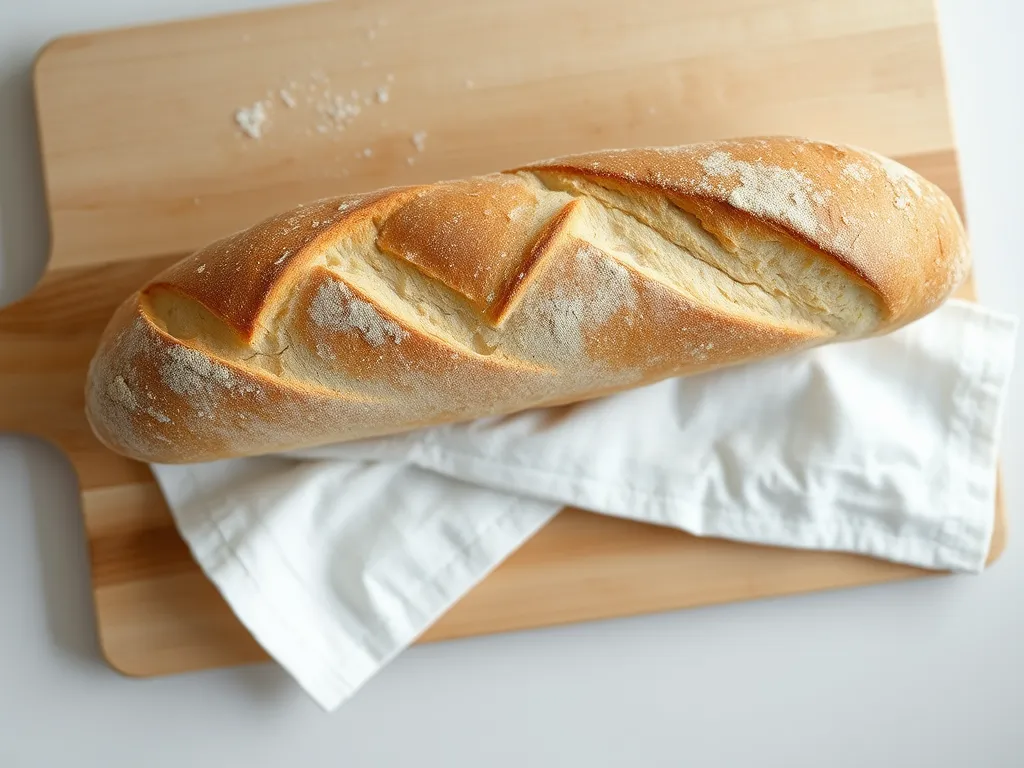
A baguette is prized for its crisp crust and airy interior, but these qualities fade quickly. While refrigeration extends the overall shelf life by slowing mold growth, it accelerates staling, often leaving the bread dry or chewy before it becomes unsafe. When evaluating a baguette, distinguish between texture loss (stale) and spoilage (unsafe). Stale bread is safe for repurposing into croutons or garlic bread. However, if you detect fuzzy mold, sour odors, or damp, slimy patches, the loaf must be discarded. Because of its porous structure, mold can penetrate deep into the crumb even if only a small spot is visible on the surface.
Heads up: shelf-life ranges are estimates based on home storage. We make no guarantee of accuracy. When unsure, throw it out.
The full timeline
Day 1 (Peak Fresh)
1 day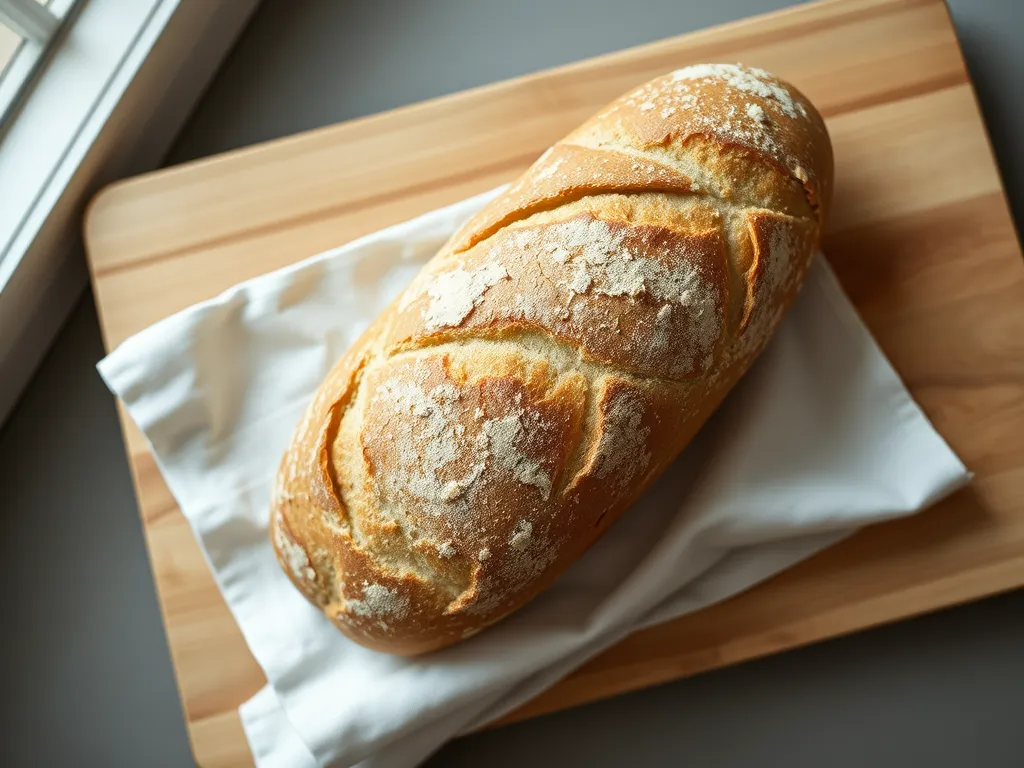
- Crust is golden, crisp, and dry
- Interior crumb is light and airy
- No visible spots or discoloration
- Eat fresh
- Store in a paper bag
Day 2–4 (Staling Starts)
2–4 days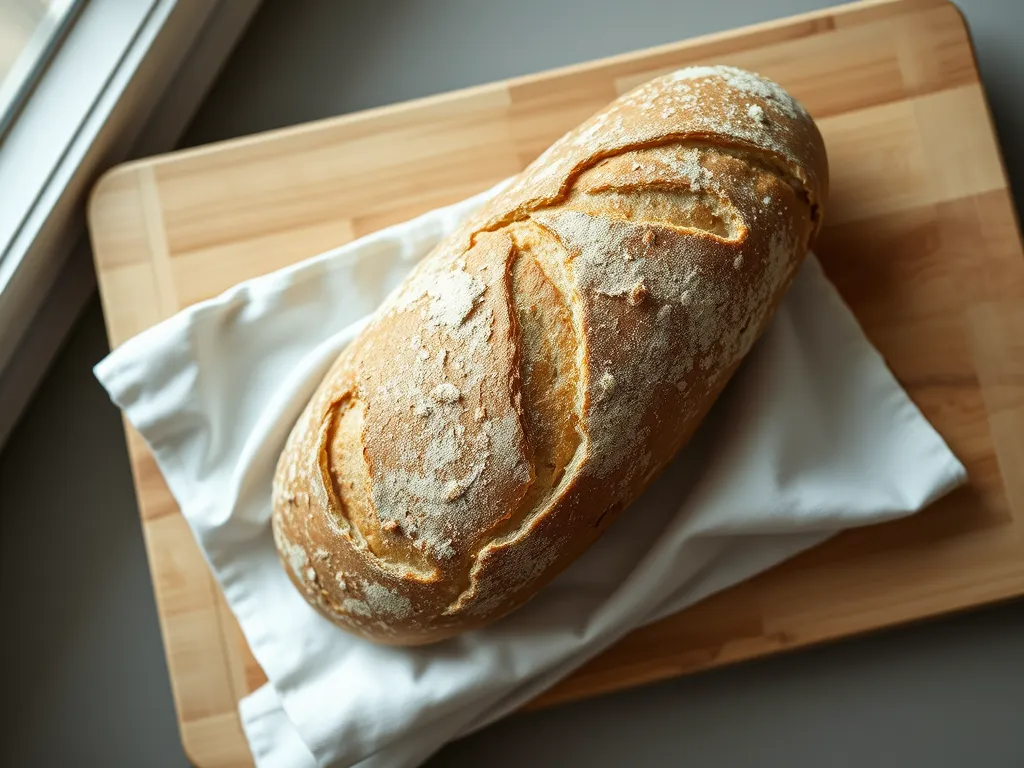
- Crust loses its snap and feels softer
- Interior becomes denser or drier
- Flavor is neutral but less vibrant
- Toast for sandwiches
- Dice into croutons
- Pulse into breadcrumbs
Day 5–10 (Dry And Firm)
5–10 days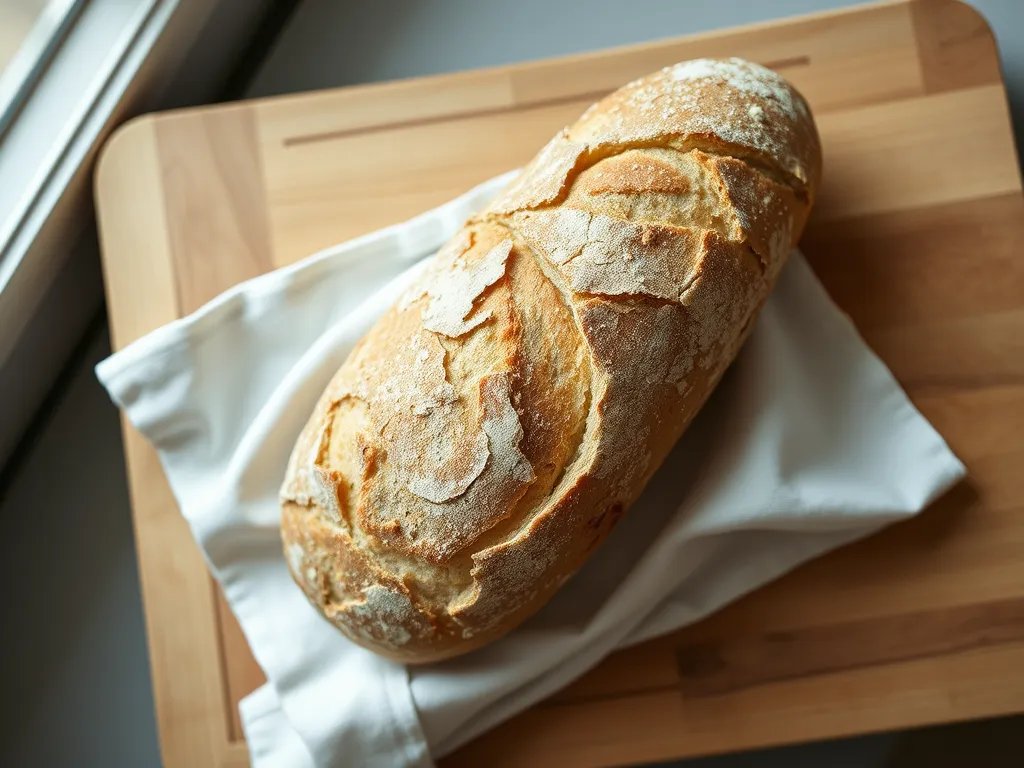
- Texture is notably hard or rigid
- Edges may crumble when sliced
- Dry appearance throughout the loaf
- Make garlic bread
- Use for stuffing
- Toast thoroughly
Day 11–14 (Mold Check)
11–14 days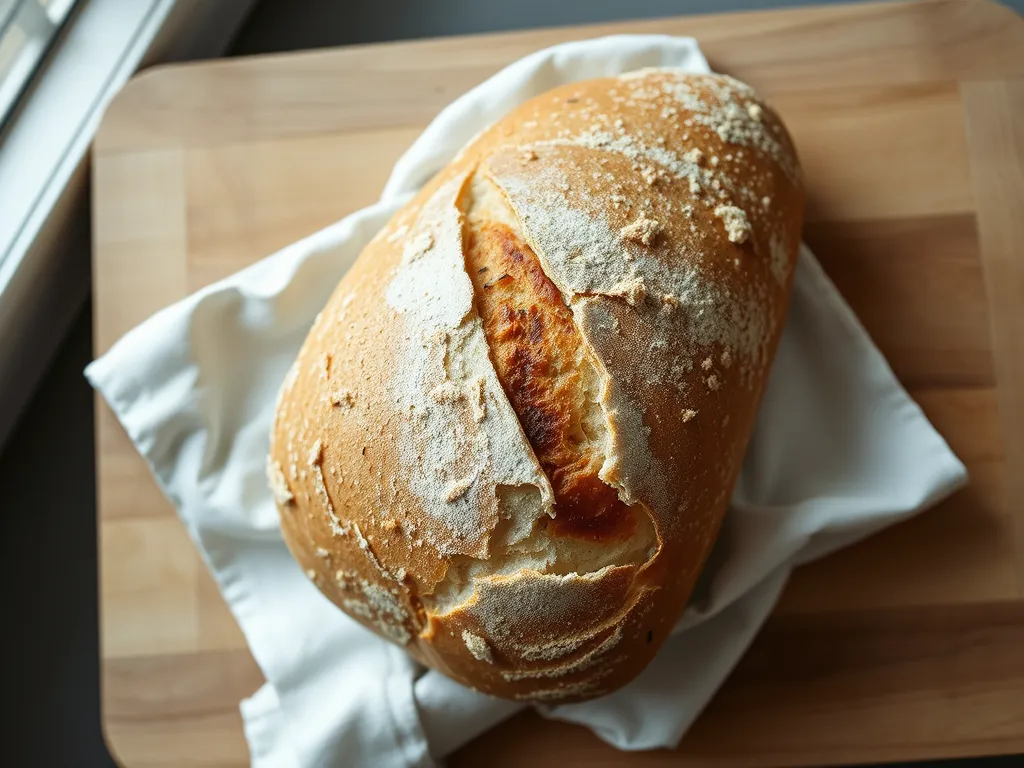
- Appearance of white, green, or blue fuzzy spots
- Musty or sour aroma
- Unexpectedly moist or damp patches
- Discard if mold is present
- Toss if it smells off
Week 3 (Unsafe Spoilage)
3 weeks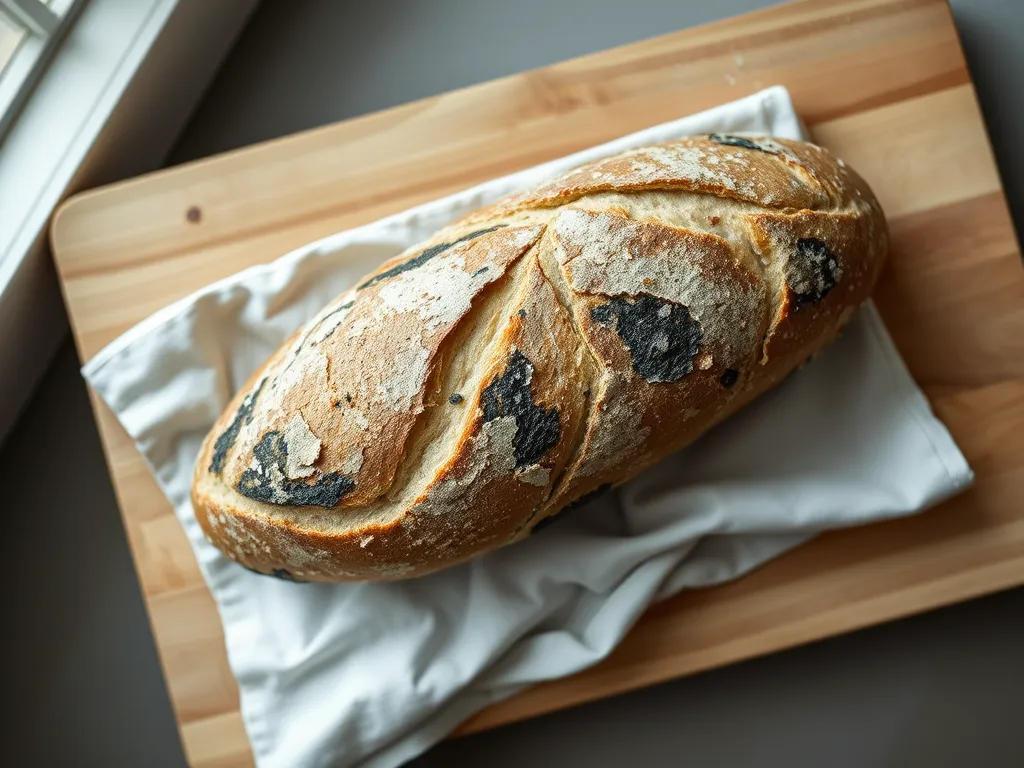
- Widespread visible mold growth
- Strong pungent or musty odor
- Collapsed, soft, or slimy texture
- Discard immediately
Common questions
How long does a baguette last in the refrigerator?
A baguette lasts about 1–2 weeks in the refrigerator. While this prevents mold more effectively than room temperature, it causes the bread to stale faster.
Can I eat a baguette that has gone stale?
Yes, stale baguette is safe to eat provided there is no visible mold or sour smell. You can revive the texture by toasting it or using it for croutons and breadcrumbs.
Is it safe to cut mold off a baguette?
No. Baguettes have a porous structure that allows mold roots to spread deep into the loaf unseen. If any mold is visible, discard the entire baguette.
What is the best way to store a baguette for long-term use?
For short-term storage, use a bread bag or plastic wrap. For longer preservation without losing quality to refrigeration staling, wrap the baguette tightly and freeze it.
How do I know if a baguette has spoiled?
Check for visible fuzzy mold (white, green, or blue), a musty or sour smell, or damp, slimy spots. If any of these are present, the bread is no longer safe to eat.

A baguette's decline is usually about texture first and safety second. Repurpose stale bread, but toss it immediately if mold appears.