
How to Tell If Whole Chicken Has Gone Bad
How to Identify Spoilage in Whole Chicken
Whole chicken lasts 1–2 days refrigerated, then spoilage risk rises fast.
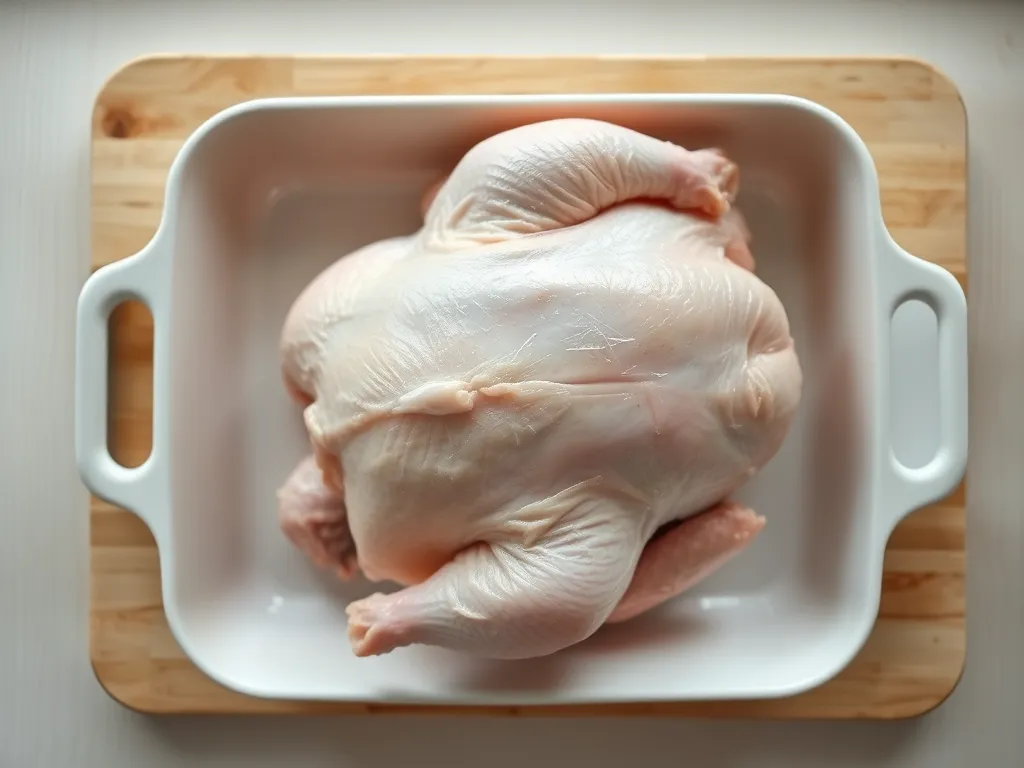
A whole chicken is a high-risk food that requires strict temperature control. Once chilled, the window for safe consumption in the refrigerator is narrow—typically only 1 to 2 days. Because bacterial growth can occur before a scent becomes overpowering, relying solely on your nose can be dangerous. You must monitor changes in color, texture, and the appearance of juices. This guide provides specific visual and tactile cues to help you determine if your poultry is still safe or if it has entered the danger zone. Prioritize safety by discarding any chicken that shows signs of slime, discoloration, or an off-odor; cooking cannot neutralize toxins left behind by spoilage bacteria.
Heads up: shelf-life ranges are estimates based on home storage. We make no guarantee of accuracy. When unsure, throw it out.
The full timeline
Day 1 (Fresh Start)
0–1 day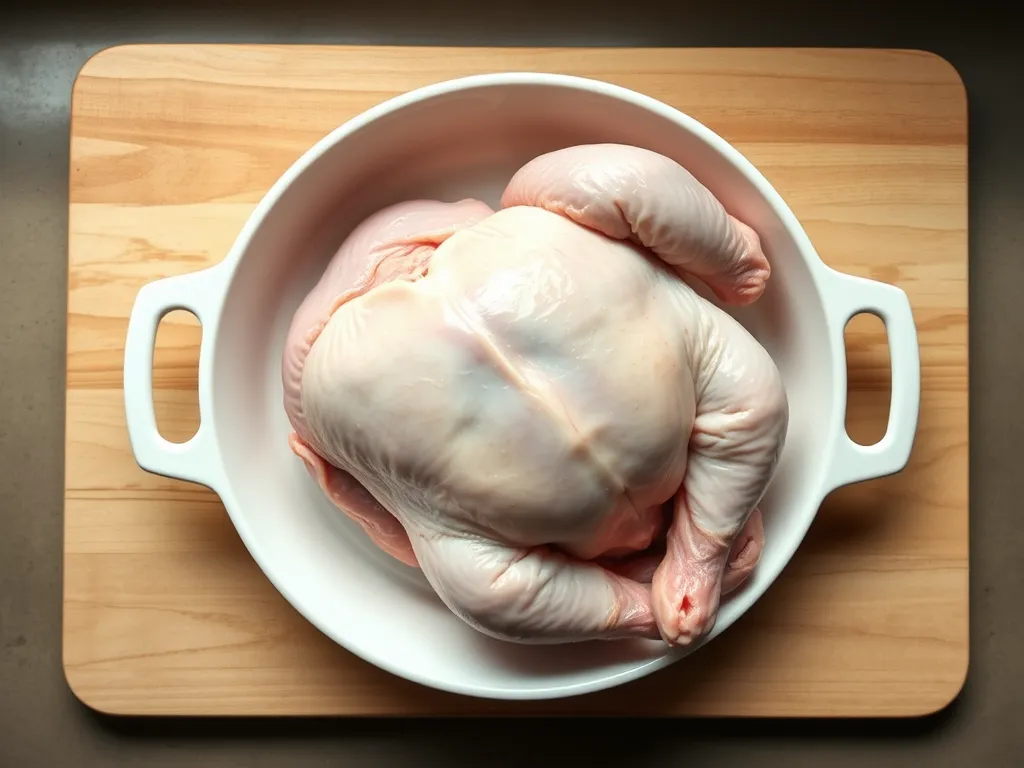
- Skin appears pale pink or ivory
- Surface is moist but lacks a sticky film
- No patches of discoloration or gray tones
- Use immediately for your meal
- Freeze if not using within the next 24 hours
Day 2 (Borderline Fresh)
1–2 days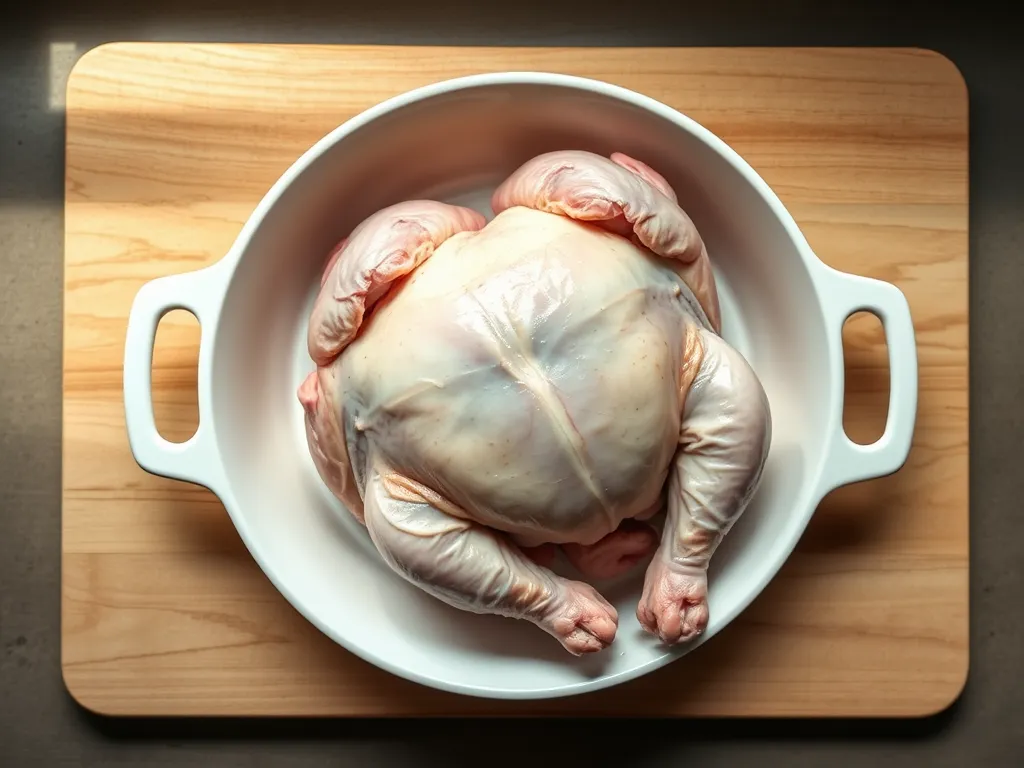
- Color begins to look dull rather than glossy
- Surface moisture appears heavier or thicker
- A faint sour or sulfurous scent is detectable
- Cook the chicken immediately
- Discard if any stickiness or odd smells appear
Day 3 (Off Notes)
2–3 days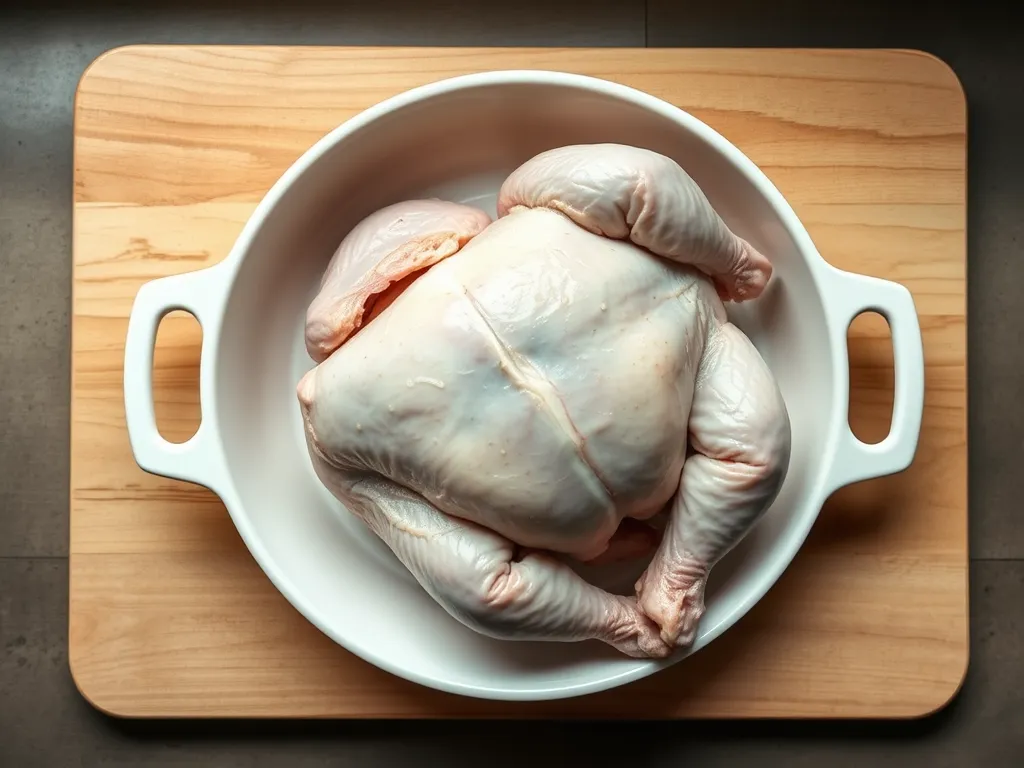
- Surface feels slimy or tacky to the touch
- Grayish patches emerge on the meat
- Juices in the packaging look cloudy or milky
- Discard immediately if slime is present
- Do not attempt to cook meat that shows these signs
Day 4 (Unsafe Zone)
3–4 days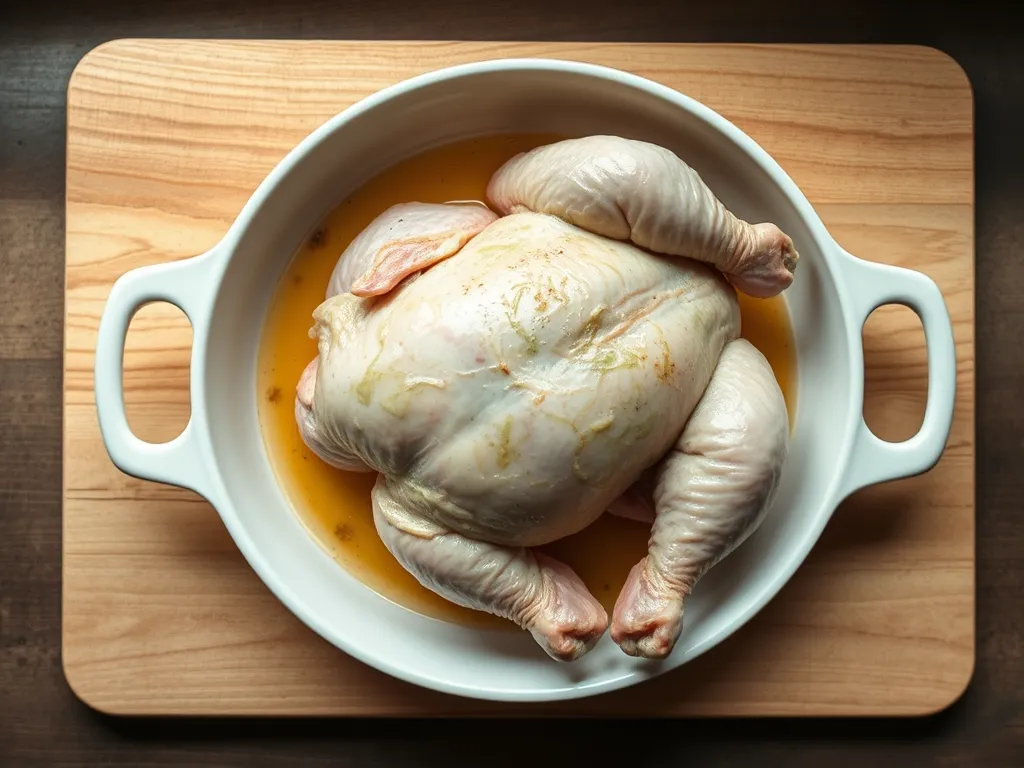
- Strong, pungent, or rotten odor
- Visible thick residue or sticky film on skin
- Green, yellow, or dark discoloration
- Discard without tasting
- Toss immediately to avoid cross-contamination
Common questions
How long can I keep whole chicken in the refrigerator?
You should use or freeze a whole chicken within 1–2 days of purchase. Beyond this period, the risk of rapid bacterial growth increases significantly.
Can I freeze whole chicken to extend its life?
Yes. If you do not plan to cook the chicken within 1–2 days, move it to the freezer. Always thaw frozen poultry in the refrigerator rather than on the counter.
Is it safe to eat whole chicken that smells slightly off?
No. Any sour, sulfurous, or rotten odor is a sign of spoilage. If the smell is noticeable, discard the poultry immediately.
Does rinsing chicken under water make it safer?
No. Rinsing does not remove bacteria and can actually spread pathogens around your kitchen via water splashes. If the meat shows signs of spoilage, throw it away.
Can I cook spoiled chicken to kill the bacteria?
No. While cooking kills live bacteria, it does not destroy the heat-stable toxins produced by many types of food poisoning bacteria. If the meat is spoiled, discard it.

For whole chicken, the window is short: 1–2 days in the fridge. Watch for dull color, slime, cloudy juices, or bad odors. If any are present, toss it.