
How to Tell If Tahini Is Bad
How to identify fresh vs. rancid tahini
Tahini lasts about 6 months on the counter after opening.
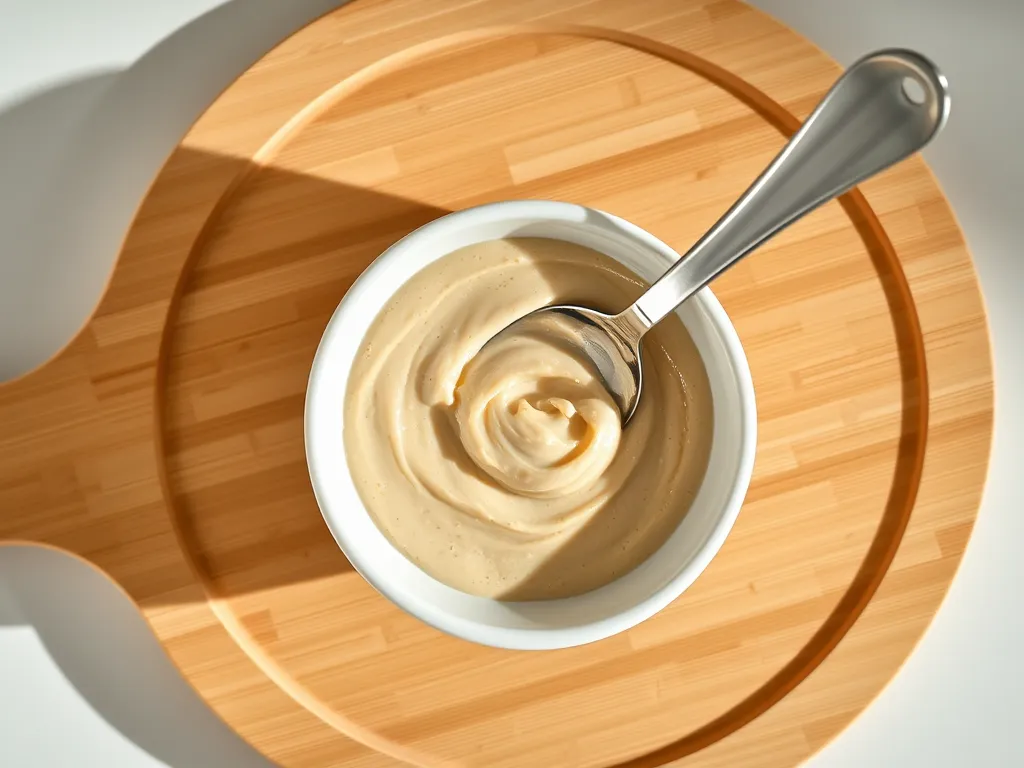
Tahini is a dense sesame paste with a long pantry life, but it does not stay fresh forever. When stored in a sealed jar in a cool, dry place away from direct light, opened tahini typically remains good for about 6 months on the counter. While natural oil separation is a normal part of its structure, you must watch for signs of rancidity or mold. The most reliable indicators of spoilage are a bitter, paint-like aroma or any visible fuzzy growth. This guide breaks down the visual and olfactory cues for fresh, aging, and unsafe tahini to help you decide whether to stir it back into use or toss it entirely.
Heads up: shelf-life ranges are estimates based on home storage. We make no guarantee of accuracy. When unsure, throw it out.
The full timeline
Day 1 (Silky Fresh)
fresh opening
- Smooth, glossy surface with a clean sesame aroma
- Even, pale beige color without dark spots
- Natural oil layer on top with no off-smell
- No signs of dryness or mold
- Use immediately
- Stir well and seal tightly
Day 30 (Settled But Fine)
about 1 month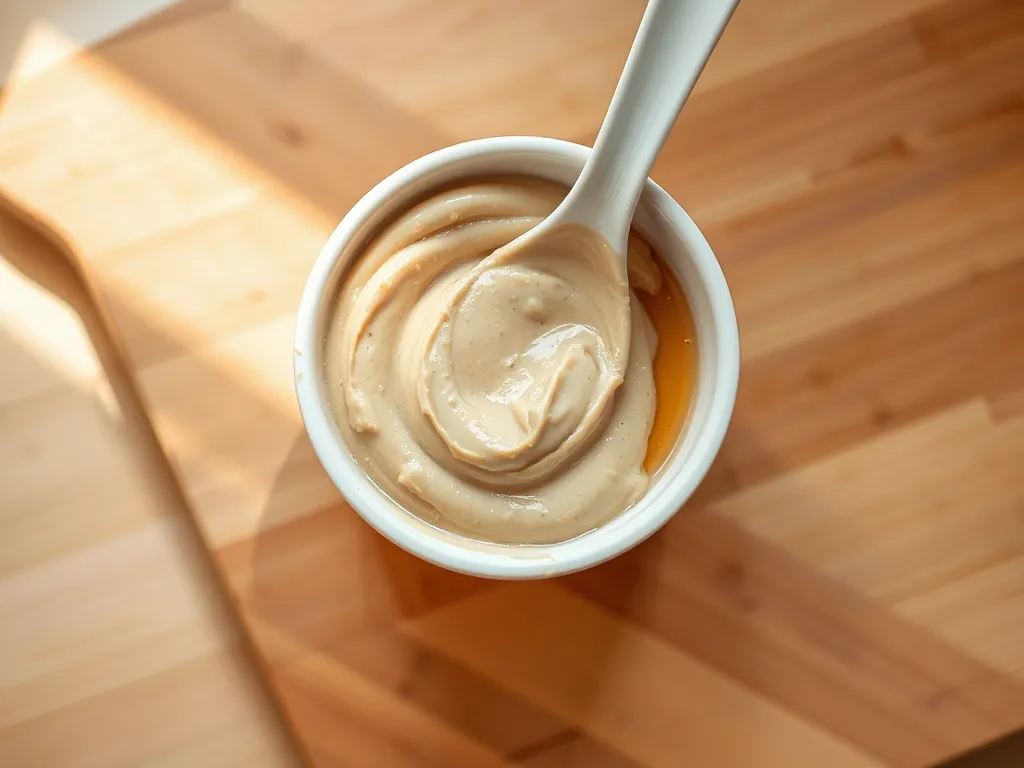
- Thicker texture with visible oil separation
- Color may appear slightly deeper beige
- Aroma remains nutty rather than sharp or sour
- Texture restores after stirring
- Stir and continue using
- Transfer to an airtight container
Day 90 (Stale Turn)
about 3 months
- Drier edges or small lumps appearing near the rim
- Aroma is flatter, less nutty, or slightly bitter
- Surface appears dull instead of glossy
- Flavor becomes muted
- Use if the aroma remains clean
- Move to the refrigerator to slow aging
Day 180 (Rancid Risk)
about 6 months
- Sharp, bitter, or paint-like odor
- Darkened patches or uneven coloring
- Greasy top layer with a stale smell
- Harsh or unpleasant taste
- Discard if the odor is off
- Do not taste test if it smells rancid
Day 240 (Discard Now)
past 6 months
- Visible mold or fuzzy growth on surface
- Strong musty or rancid smell
- Discolored oil that looks cloudy or off-looking
- Sour or bitter taste
- Toss in the trash
- Discard completely
Common questions
Does tahini need to be refrigerated?
Refrigeration is optional. Tahini stays fresh on the counter for about 6 months if kept in a sealed container in a cool, dark place.
Is oil separation in tahini bad?
No, oil separation is expected with natural sesame paste. Simply stir the contents before use; only worry if it develops a bitter taste or rancid smell.
Can I freeze tahini to extend its shelf life?
Freezing is possible but unnecessary for most users since it lasts 6 months on the counter. Note that texture may change slightly after thawing.
How can I tell if my tahini has gone bad?
Check for a sharp, musty, or paint-like odor. If it lacks its characteristic nutty sesame aroma and smells off, it is spoiled and should be tossed.

Trust your nose first, the look second, and use the 6-month counter window as your primary guide for freshness.