
How to Tell if T-Bone Steak Is Still Good
Refrigerator Shelf Life & Spoilage Guide
T-bone steak lasts 3–5 days in the refrigerator before spoilage risk climbs.
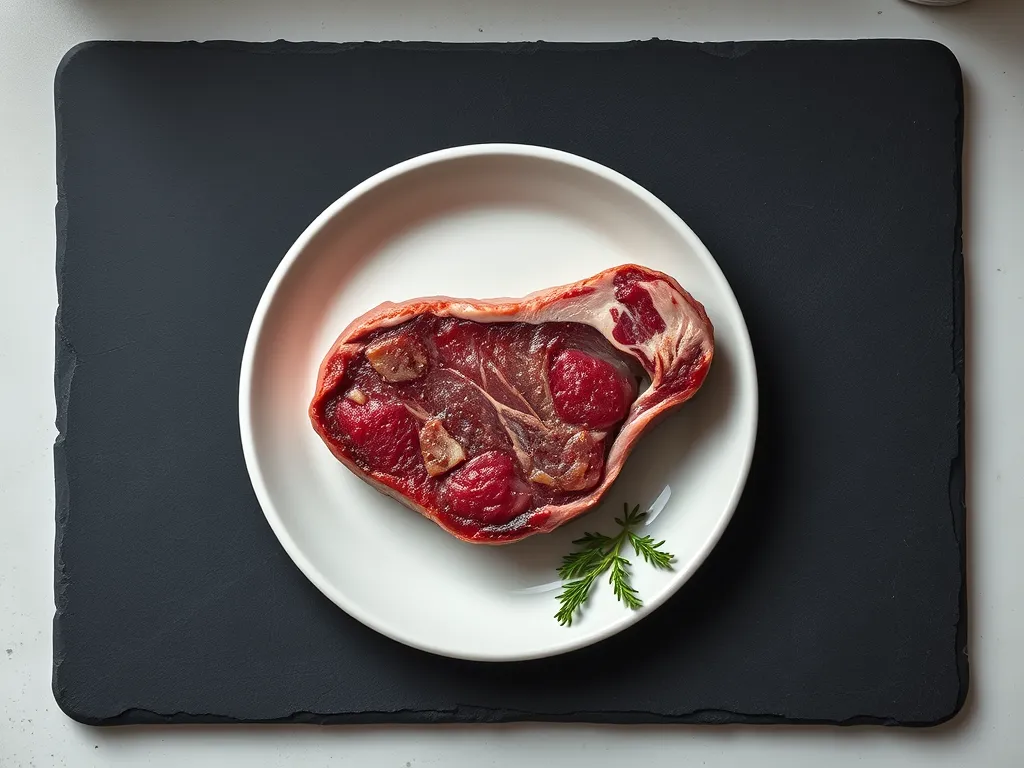
Determining if a t-bone steak is safe to eat requires looking beyond just the date on the package. In the refrigerator, freshness depends on consistent cold storage and packaging integrity. While raw beef can naturally darken as it loses oxygen, specific changes in smell, surface texture, and color indicate bacterial growth. Fresh t-bone steak is firm, moist, and red; spoiled meat becomes dull, sticky, or sour-smelling. Because this is a raw protein, cooking cannot reverse spoilage or eliminate toxins produced by bacteria. This guide provides a stage-by-stage breakdown of visual and olfactory cues to help you decide whether to cook your steak or discard it for safety.
Heads up: shelf-life ranges are estimates based on home storage. We make no guarantee of accuracy. When unsure, throw it out.
The full timeline
Day 1 (Peak Fresh)
0-1 day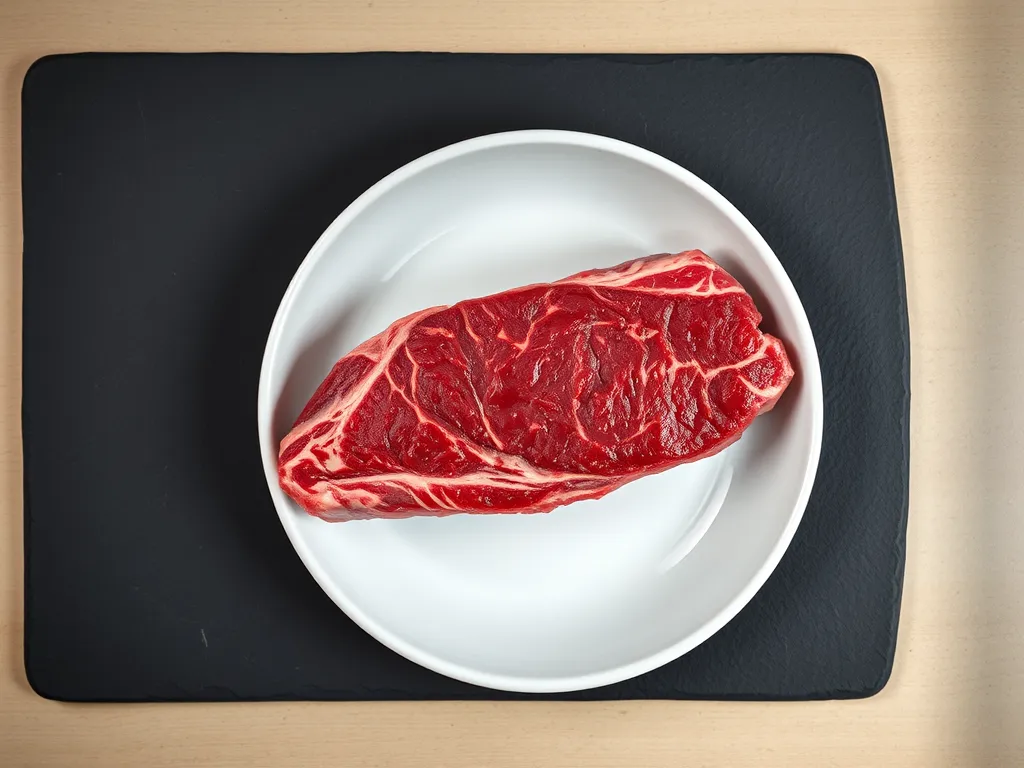
- Bright red to deep cherry color
- Firm muscle texture with clean edges
- Moist surface without any slime
- Neutral, fresh beef aroma
- Keep refrigerated
- Cook soon
Day 2–3 (Early Aging)
2-3 days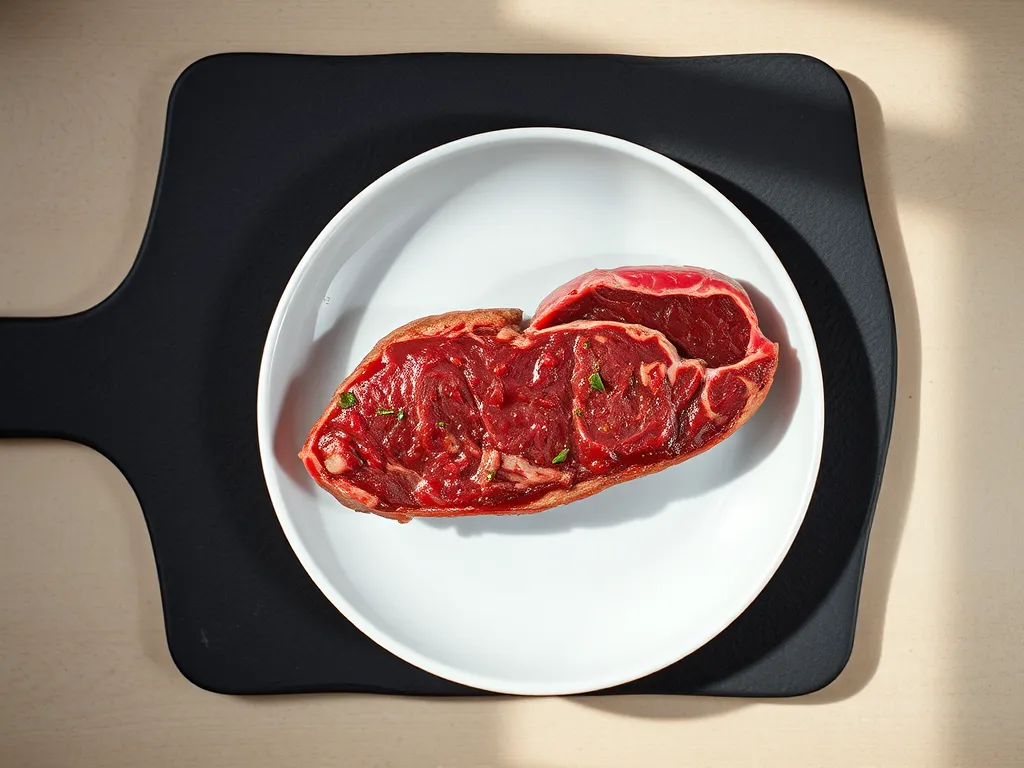
- Slightly darker red or maroon tone
- Minor drying at the edges of the cut
- Muscle remains firm when pressed
- Smell is still mild and neutral
- Cook now
- Freeze for later
Day 4 (Past Prime)
4 days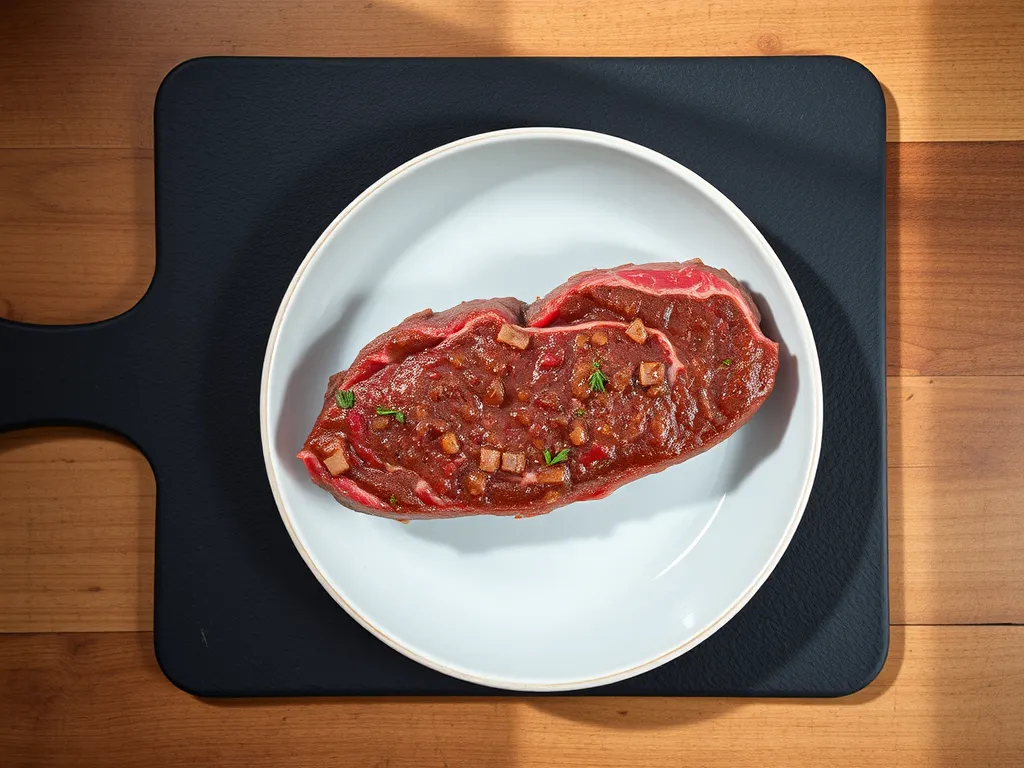
- Color shifting toward a brown-red hue
- Surface feels tacky or slightly sticky
- Faintly sour or tangy odor
- Cloudy appearance in the packaging juices
- Cook immediately if clean
- Discard if sticky or sour
Day 5 (Spoilage Signs)
5 days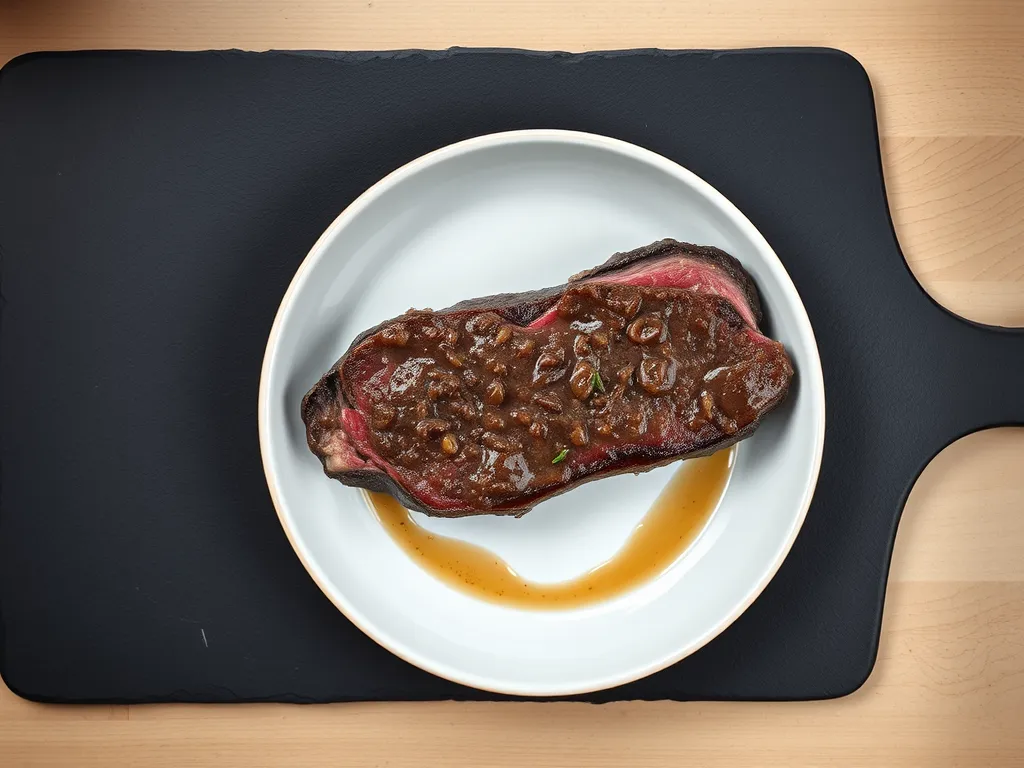
- Dull, gray-brown discoloration
- Slick, slippery, or slimy surface film
- Strong sour or ammonia-like smell
- Excessive liquid pooling in the tray
- Discard
- Do not taste-test
Day 6 (Unsafe)
6 days+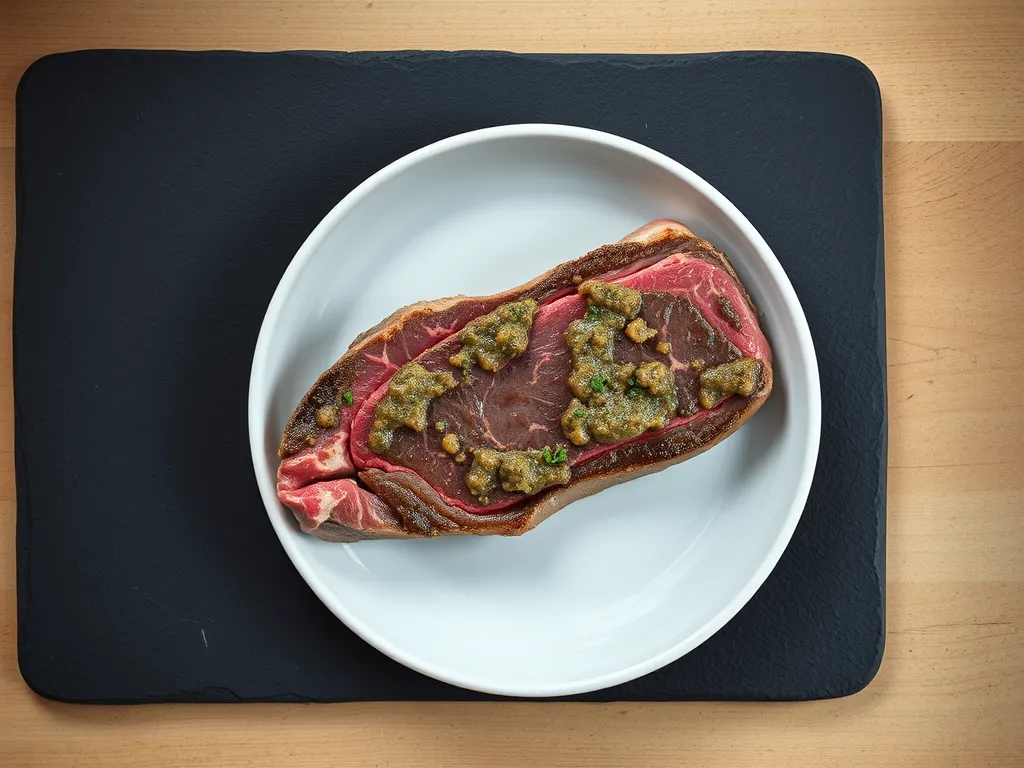
- Heavy slime or thick sticky film
- Gray-green discoloration in patches
- Foul, rotten odor
- Visible signs of decay
- Toss
- Discard
Common questions
How long does t-bone steak stay fresh in the fridge?
T-bone steak typically lasts 3–5 days in the refrigerator. To maximize this window, ensure your fridge is set to 40°F (4°C) or below.
Is it a bad sign if my t-bone steak turns brown?
Not necessarily. Beef often changes color from red to brown due to oxidation when exposed to air. However, if the brown color is accompanied by a sour smell or a slimy texture, the meat has spoiled.
Can I freeze t-bone steak to make it last longer?
Yes. Freezing t-bone steak significantly extends its shelf life. For best results, wrap the meat tightly in plastic or use a vacuum sealer to prevent freezer burn.
Can cooking spoiled t-bone steak make it safe to eat?
No. Cooking does not remove the toxins produced by spoilage bacteria. If the steak is past its 3–5 day window or shows signs of slime and sour odors, it must be discarded.
What is the best way to store raw t-bone steak?
Keep the steak in its original airtight packaging or a sealed container on the lowest, coldest shelf of the refrigerator to prevent cross-contamination and maintain temperature.

T-bone steak has a narrow window of freshness. Follow the 3–5 day rule, but prioritize your senses: if it is slimy, sour, or gray-green, toss it.