
How Long Do Shallots Last on the Counter?
How to Store and Identify Fresh Shallots
Shallots last about 2–3 months on the counter.
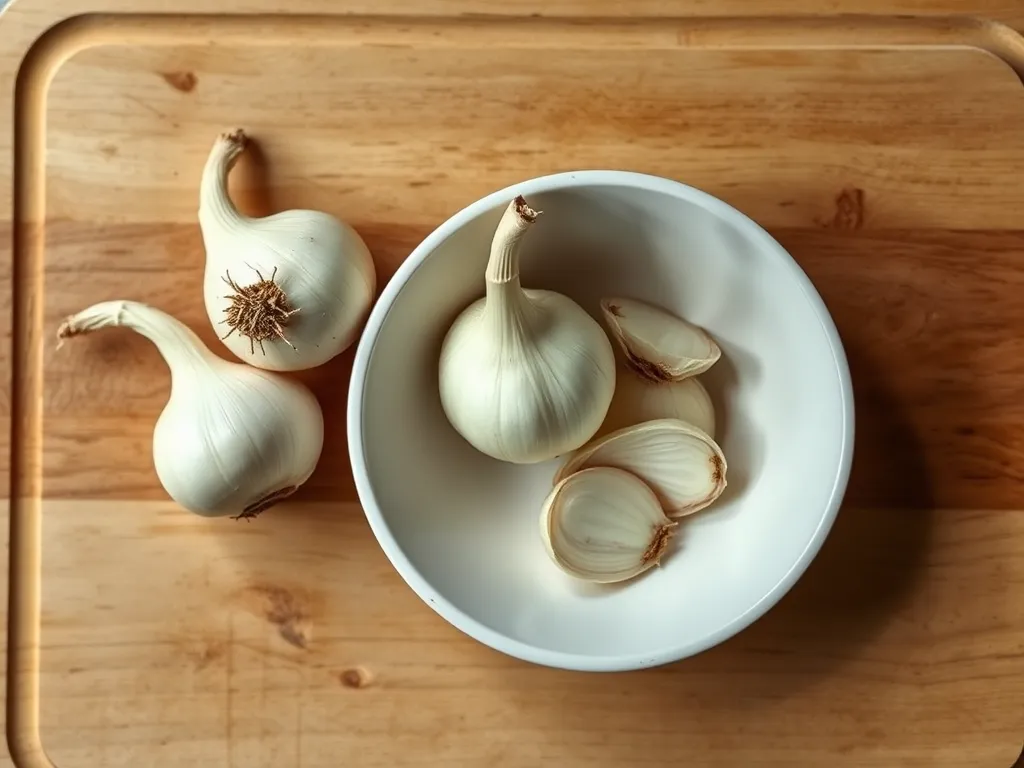
Shallots remain fresh for a surprisingly long period if kept in dry, cool, and well-ventilated conditions. When stored properly on the counter, whole shallots typically maintain their quality for 2–3 months, following similar storage principles to onions. The primary factors that accelerate spoilage are excessive moisture, heat, and physical bruising. Once the outer skin softens, sprouts emerge, or the internal flesh becomes mushy, the quality drops significantly. To maximize shelf life, store them in a breathable environment away from sealed plastic bags or damp produce drawers. This guide provides visual cues to help you distinguish between shallots that are aging naturally and those that have actually spoiled.
Heads up: shelf-life ranges are estimates based on home storage. We make no guarantee of accuracy. When unsure, throw it out.
The full timeline
Day 1 (Peak Fresh)
fresh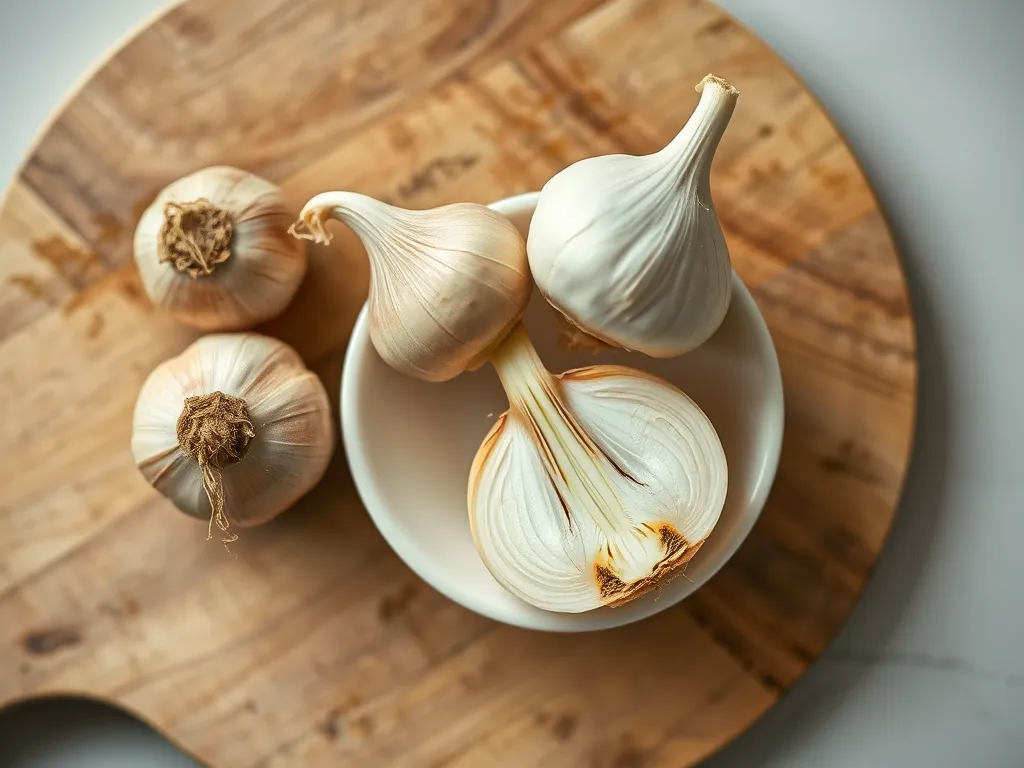
- Tight, papery skin that is completely dry
- Firm, pale flesh with no soft spots
- No visible sprouts or green shoots
- Use immediately for best flavor
- Store in a dark, airy spot
Day 30 (Early Aging)
1 month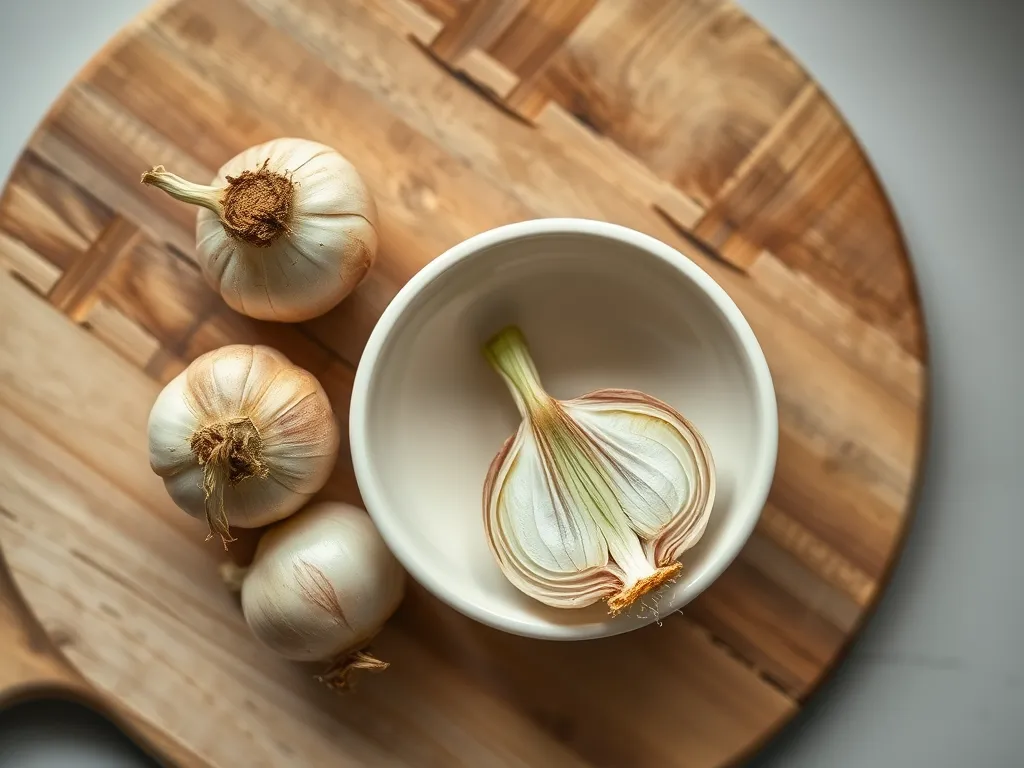
- Skin feels slightly loose or papery
- Small sprouts may begin to emerge
- Outer layers feel thin or fragile
- Trim the sprouts and use
- Continue storing in a dry area
Day 60 (Worn But Fine)
2 months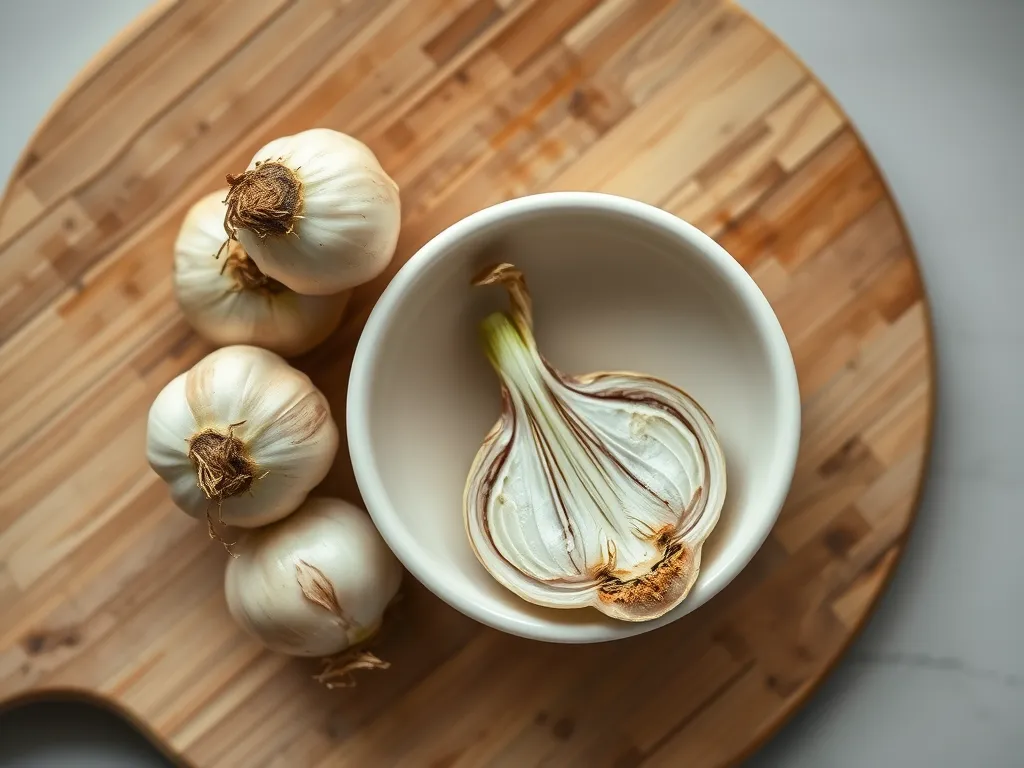
- Sprouts are clearly visible or growing
- Outer skin may show cracks
- Slight shriveling of the bulb
- Trim and cook immediately
- Discard if any part feels soft
Day 90 (Past Prime)
3 months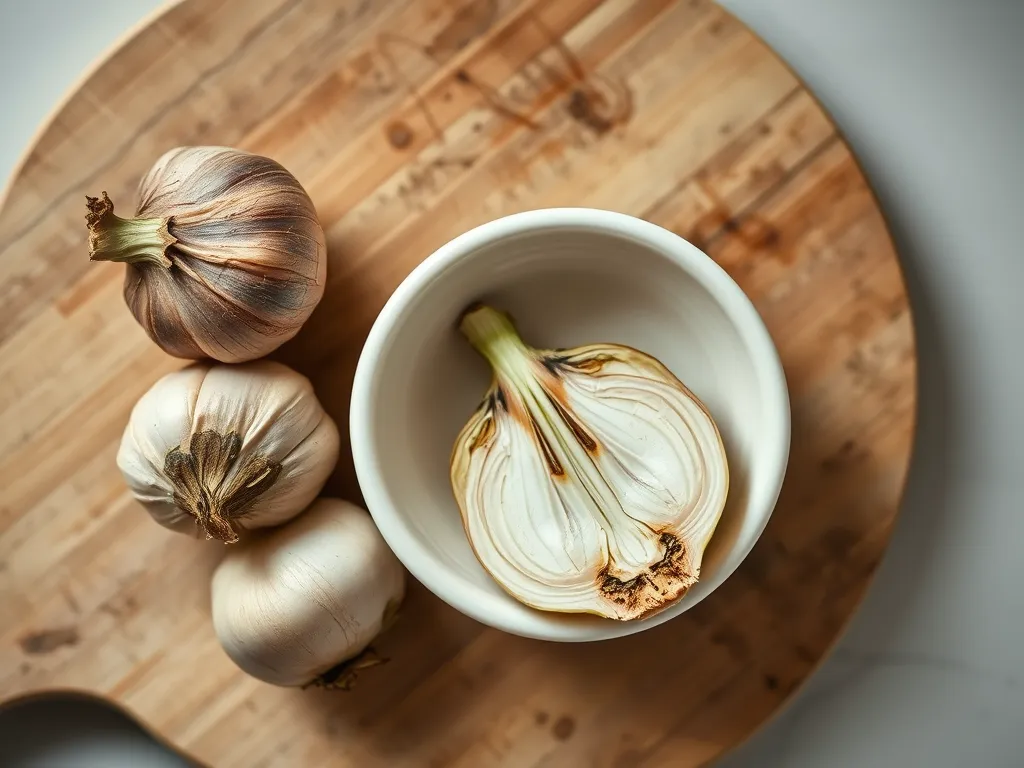
- Flesh feels soft, mushy, or squishy
- Strong, unpleasant, or sour odor
- Visible mold or wet patches on skin
- Discard
- Toss in compost
Common questions
Do shallots need to be refrigerated?
No, whole shallots do not require refrigeration. They are best kept at room temperature in a dry, airy location. Refrigeration can introduce moisture that causes them to rot faster.
How long will shallots last on the counter?
Shallots typically stay fresh for 2–3 months when stored on the counter. To ensure they reach this duration, keep them in a well-ventilated area away from direct sunlight.
Can I use shallots that have started to sprout?
Yes, as long as the flesh remains firm and smells normal. Simply trim off the green or white sprouts and any dried outer layers before using them in your cooking.
Should I store shallots in plastic bags?
No. Plastic bags trap moisture against the skin, which accelerates mold growth and rot. Use a mesh bag or an open basket to allow air circulation.
How can I tell if a shallot has gone bad?
Discard shallots that feel mushy, show signs of mold, have wet spots, or emit a sour or off-putting smell.

Sage’s Final Word: For whole shallots, dryness is the key to longevity. Keep them in an airy spot on the counter and use the 2–3 month window as your guide for peak quality.