
How to Tell If Rutabaga Is Still Good
How to Check for Freshness and Spoilage
Rutabaga lasts about 3–4 weeks when stored in the refrigerator.
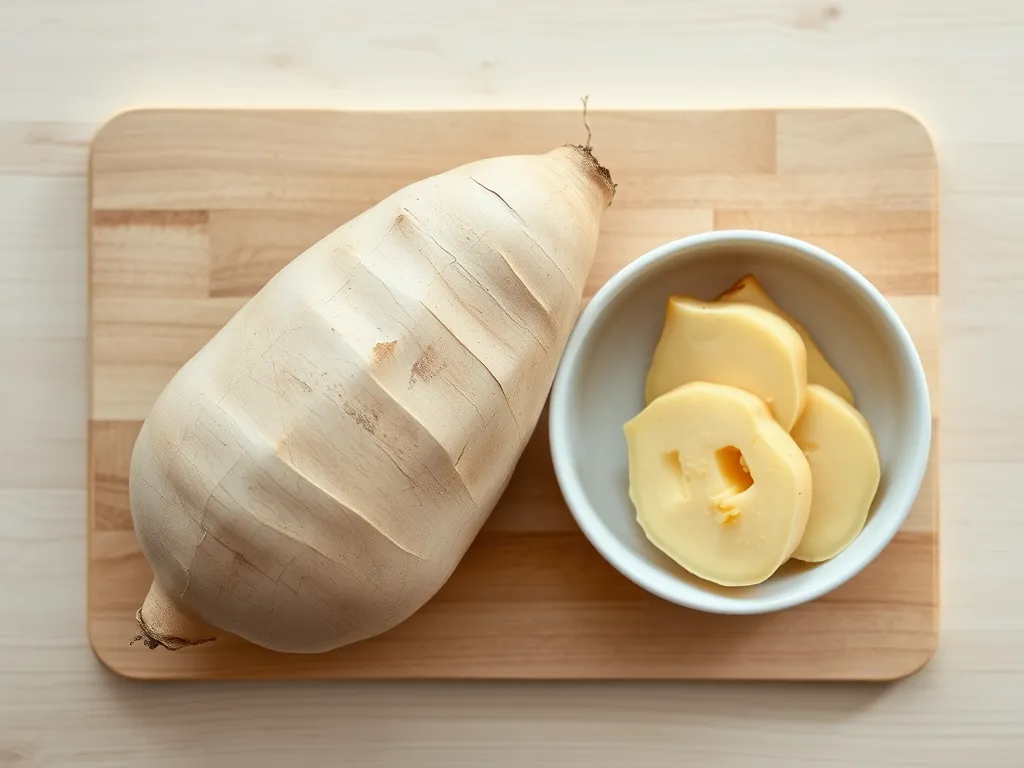
Rutabaga is a hardy root vegetable, but it still requires proper storage to maintain its quality. When kept in the refrigerator, a fresh rutabaga typically stays at peak freshness for 3 to 4 weeks. To ensure your produce is safe and tasty, focus on three primary indicators: texture, skin appearance, and scent. High-quality rutabaga should feel heavy, dense, and firm to the touch with smooth skin. As it ages, you may notice minor shriveling or a loss of luster in the skin, which is often just moisture loss. However, if the vegetable becomes soft, develops mold, or emits an off-putting odor, it has passed its prime. This guide provides a timeline to help you determine whether to cook your rutabaga immediately or discard it.
Heads up: shelf-life ranges are estimates based on home storage. We make no guarantee of accuracy. When unsure, throw it out.
The full timeline
Day 1 (Peak Fresh)
0–3 days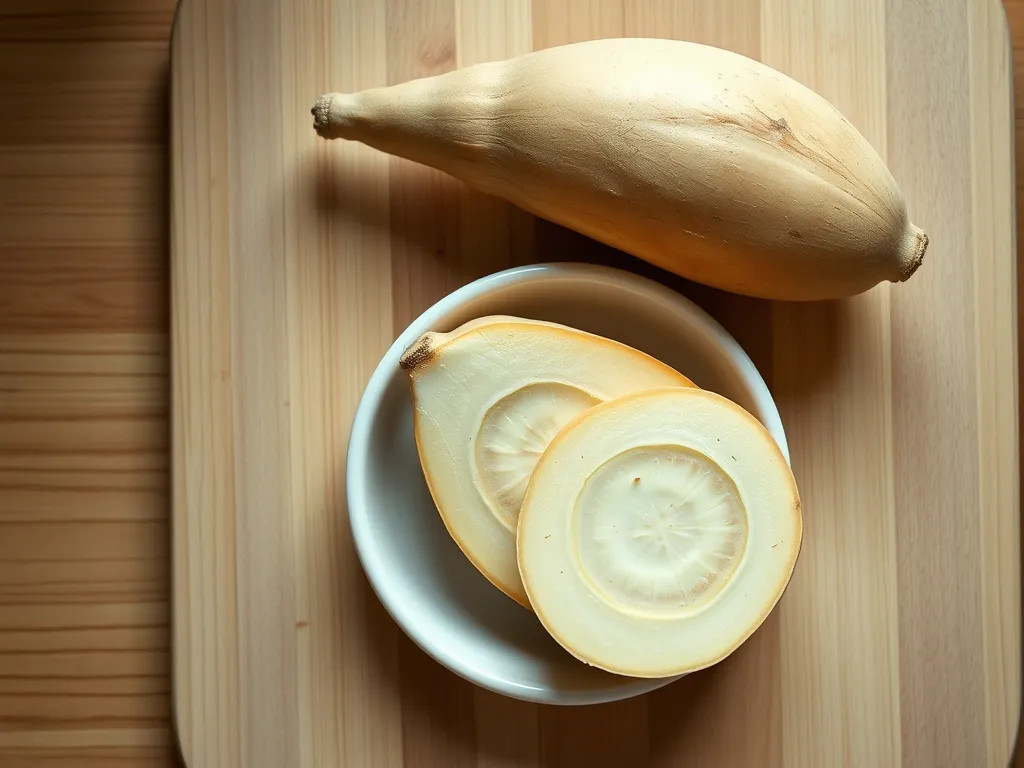
- Skin is smooth, dry, and taut
- Flesh feels dense and heavy
- Color is even without dark spots
- Use raw in salads
- Roast for side dishes
- Store in the refrigerator
Day 7 (Starting To Fade)
1 week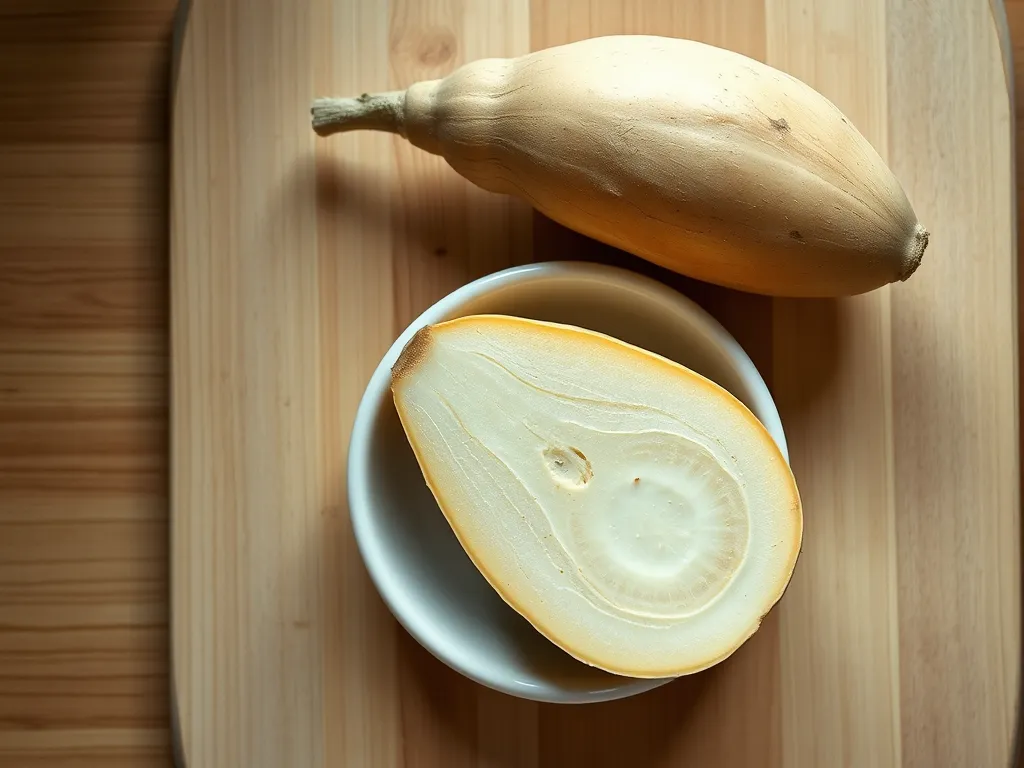
- Skin appears slightly dull
- Minor surface wrinkling begins
- Texture remains firm throughout
- Peel and boil
- Roast whole
- Continue refrigeration
Day 14 (Softening Up)
2 weeks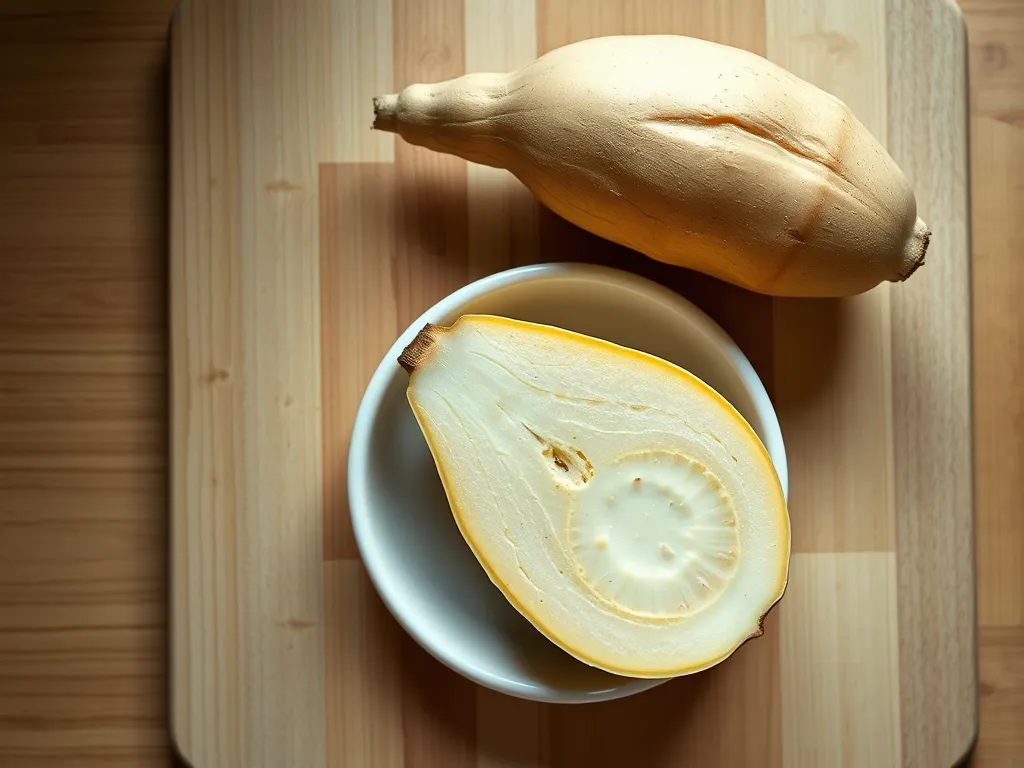
- Noticeable wrinkling or shriveling
- Softness detected at the stem end
- Flavor may taste woody
- Cook immediately
- Trim and peel
- Discard if soft spots appear
Day 21 (Spoilage Signs)
3 weeks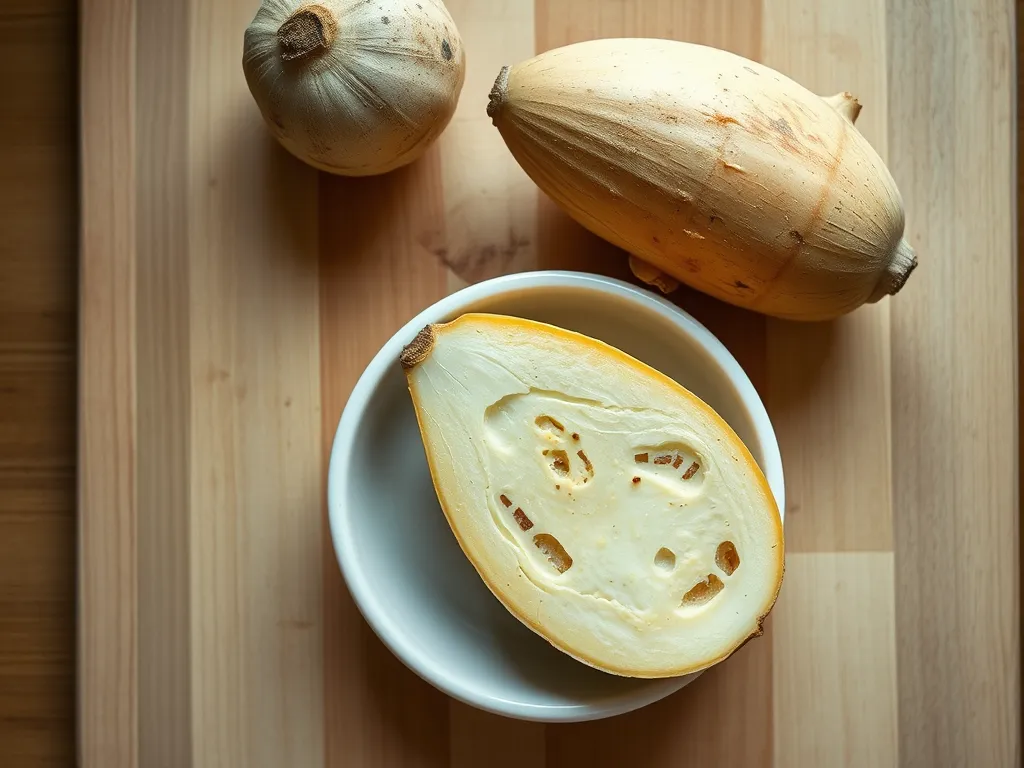
- Mushy or soft patches on the skin
- Visible mold or fuzzy growth
- Strong, unpleasant, or sour odor
- Discard immediately
- Compost
Day 28 (Too Far Gone)
4 weeks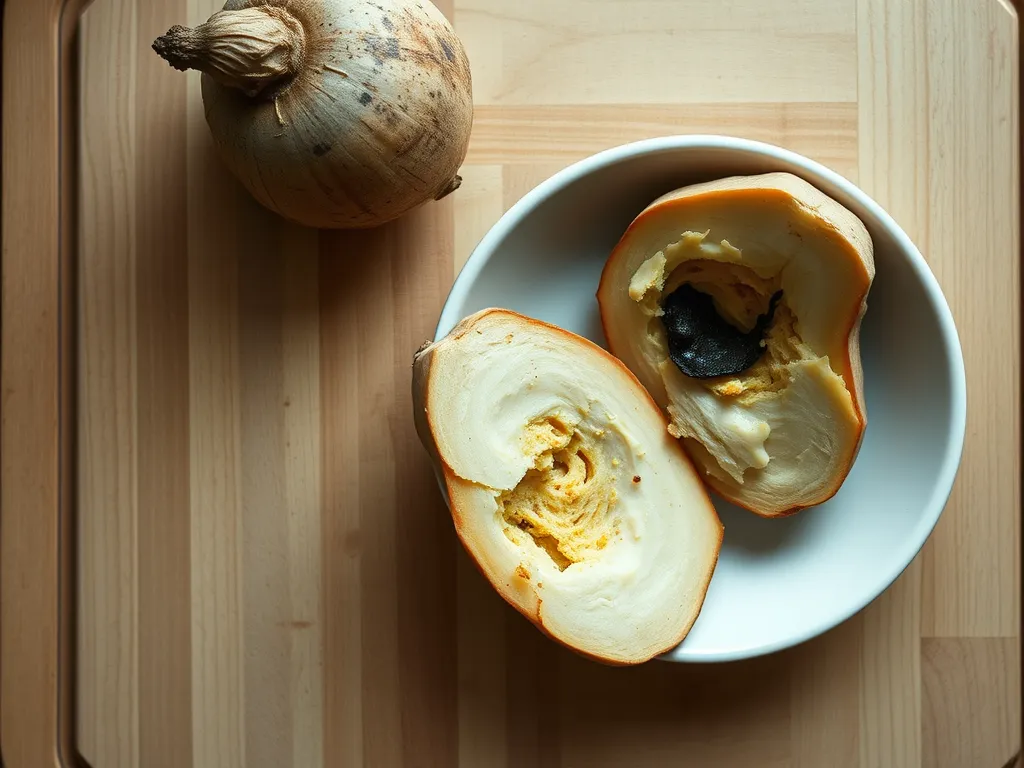
- Significant loss of structural integrity
- Deep discoloration or dark spots
- Visible liquid seepage or decay
- Discard
- Compost
Common questions
How can you tell if rutabaga is bad?
Check for soft or mushy spots, visible mold, a slimy texture, or a sour/rotten smell. A fresh rutabaga should be firm and have dry skin.
Can you eat wrinkled rutabaga?
Yes, if the interior remains firm and smells normal. Wrinkling is usually a sign of moisture loss rather than spoilage; simply trim away any dried areas before cooking.
How long does rutabaga last in the refrigerator?
Rutabaga typically stays fresh for 3–4 weeks when stored properly in the refrigerator.
Should I refrigerate raw rutabaga?
Yes. Refrigeration is necessary to slow down the drying process and prevent premature decay of the root.
Can you freeze rutabaga?
Yes, but freezing changes the texture. It is best to use frozen rutabaga in soups, stews, or mashed dishes rather than eating it raw or roasted.

Sage's Final Word: Firmness is your most reliable indicator. If the rutabaga stays dense and smells clean, it is good to eat; if it feels mushy, leaks liquid, or shows mold, toss it.