
How to Tell If Pita Bread Has Gone Bad
How to tell if your pita bread is still fresh or has gone bad
Pita bread lasts about 5–7 days on the counter.
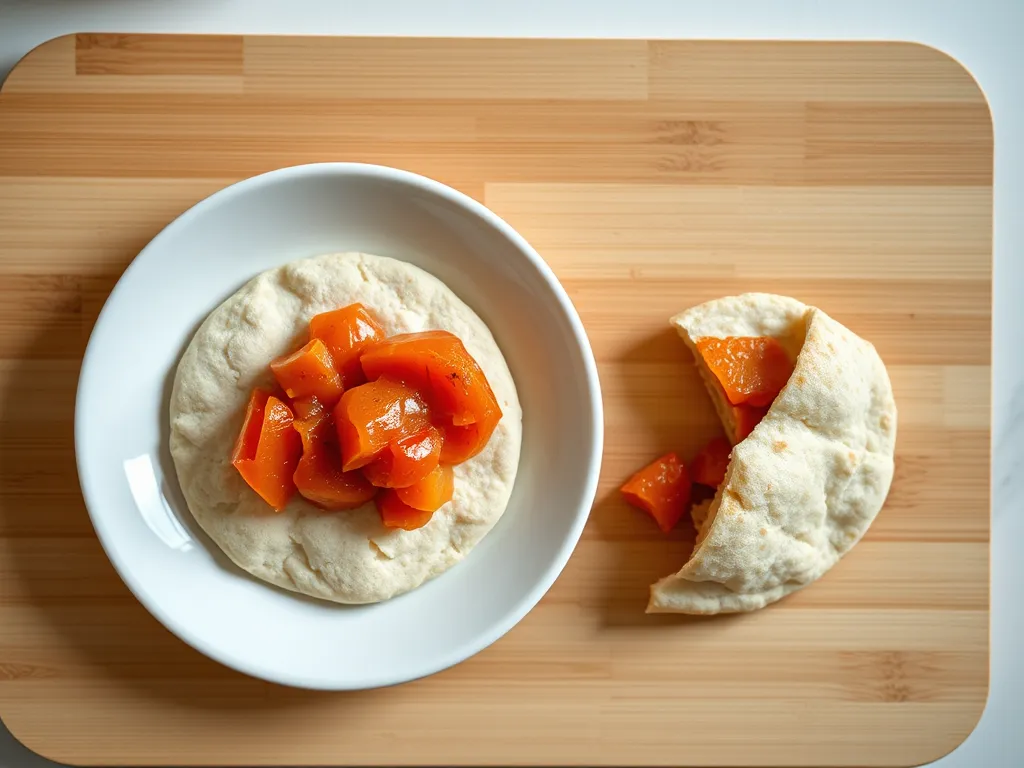
Knowing whether your pita bread is safe to eat depends on its texture, scent, and visual appearance. Fresh pita bread should feel soft and flexible, with a mild wheaty aroma and an even color. Over time, exposure to air can cause it to dry out and become stiff, while excess moisture trapped in the packaging can lead to mold growth. To accurately assess freshness, inspect both sides of the bread, check for any fuzzy spots, and smell near the edges for any sour or musty odors. This guide outlines the specific stages of shelf life to help you distinguish between bread that is perfectly fine to toast and bread that must be discarded.
Heads up: shelf-life ranges are estimates based on home storage. We make no guarantee of accuracy. When unsure, throw it out.
The full timeline
Day 1 (Peak Fresh)
1 day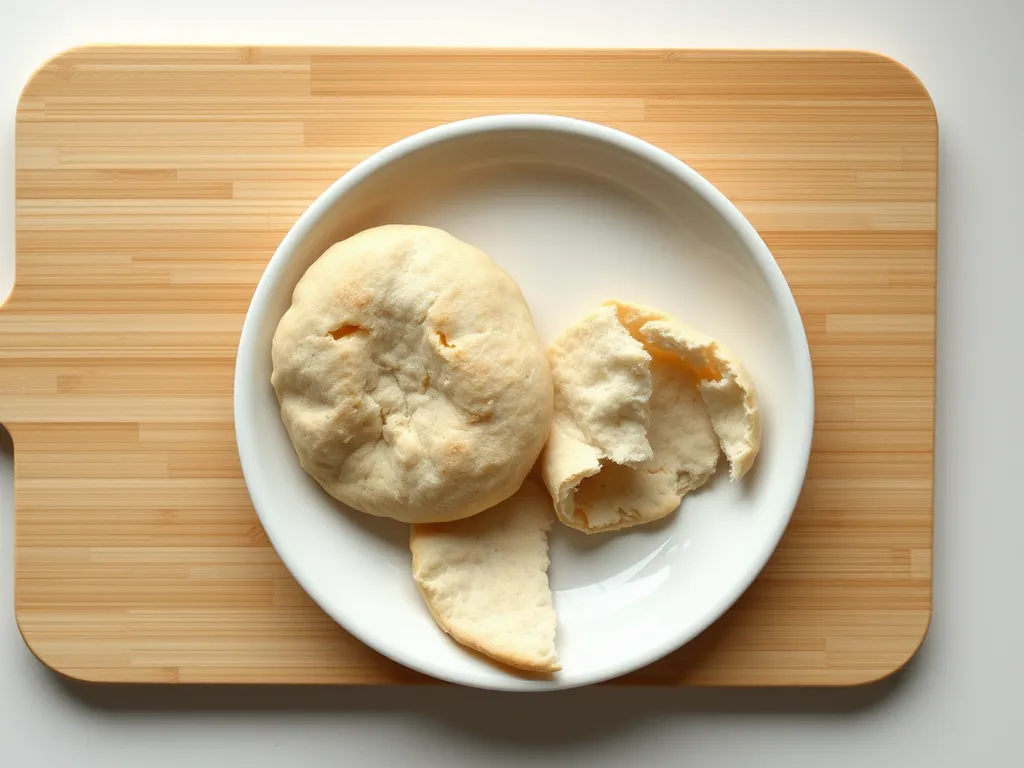
- Soft, pliable texture that bends easily
- Clean, pale tan color without dark spots
- Smooth surface free of cracks or dryness
- Eat immediately
- Store in a sealed bag
Day 3 (A Bit Dry)
3 days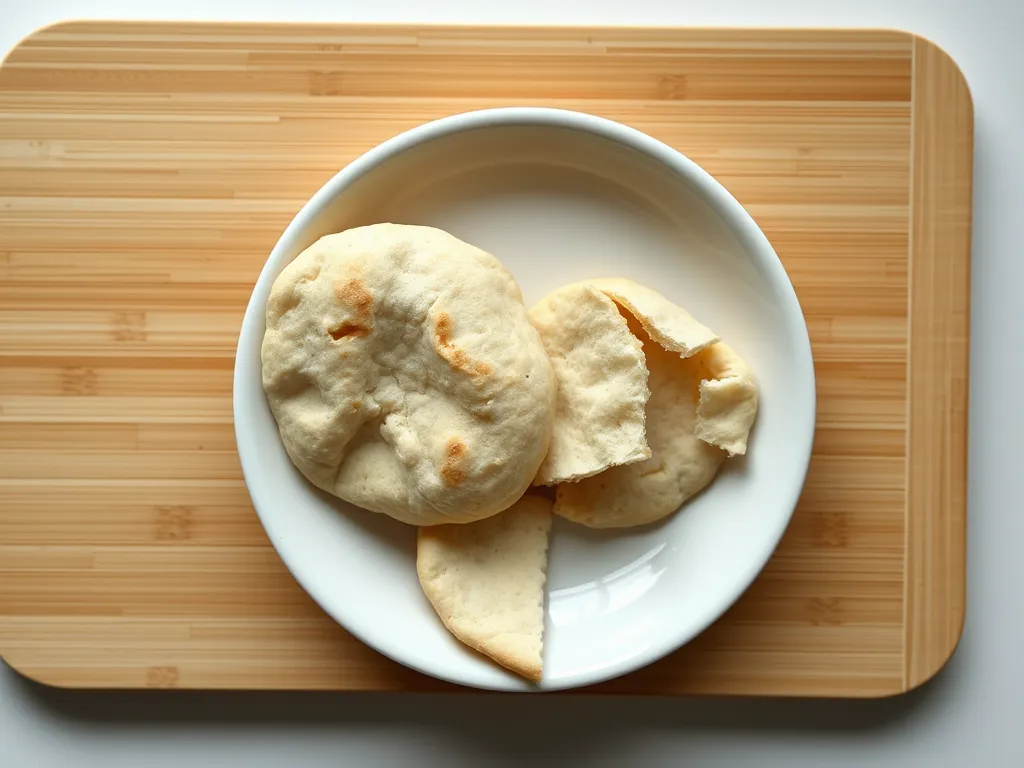
- Edges feel slightly drier or less flexible
- Surface appears dull rather than moist
- No visible mold or damp patches
- Eat soon
- Toast or warm to restore softness
Day 5 (Stale Edge)
5 days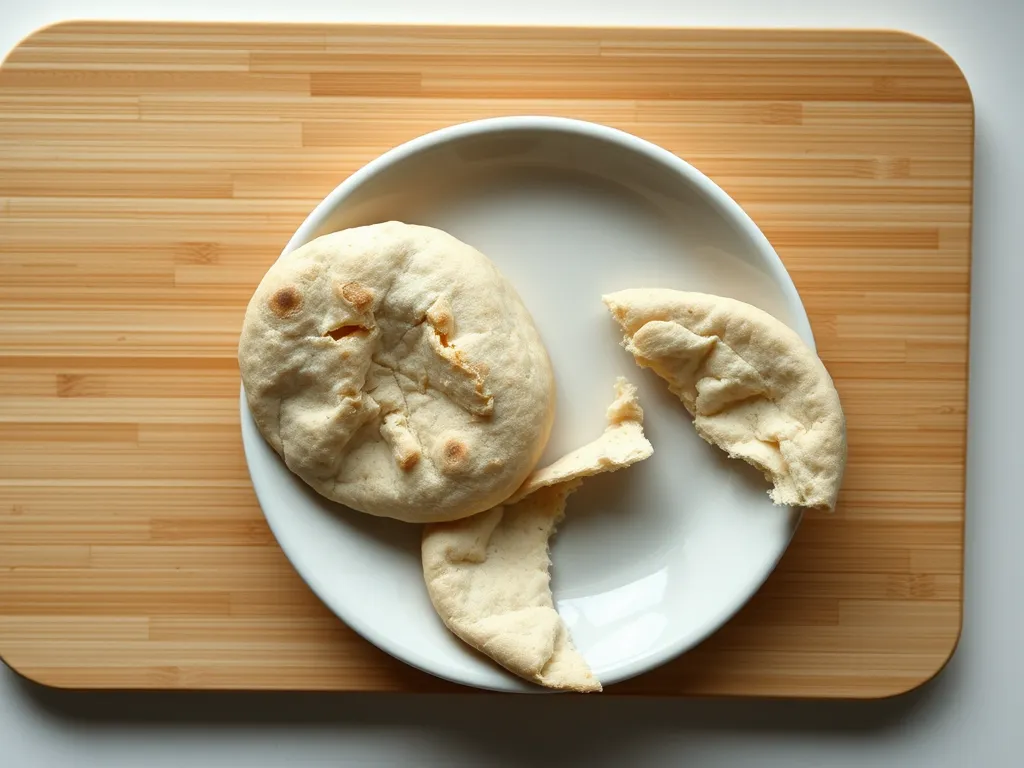
- Noticeably stiff, chewy, or tough texture
- Small cracks appearing along the edges
- A flat or papery scent
- Use for homemade croutons
- Turn into pita chips
- Use as a base for stuffing
Day 6 (Spoilage Signs)
6 days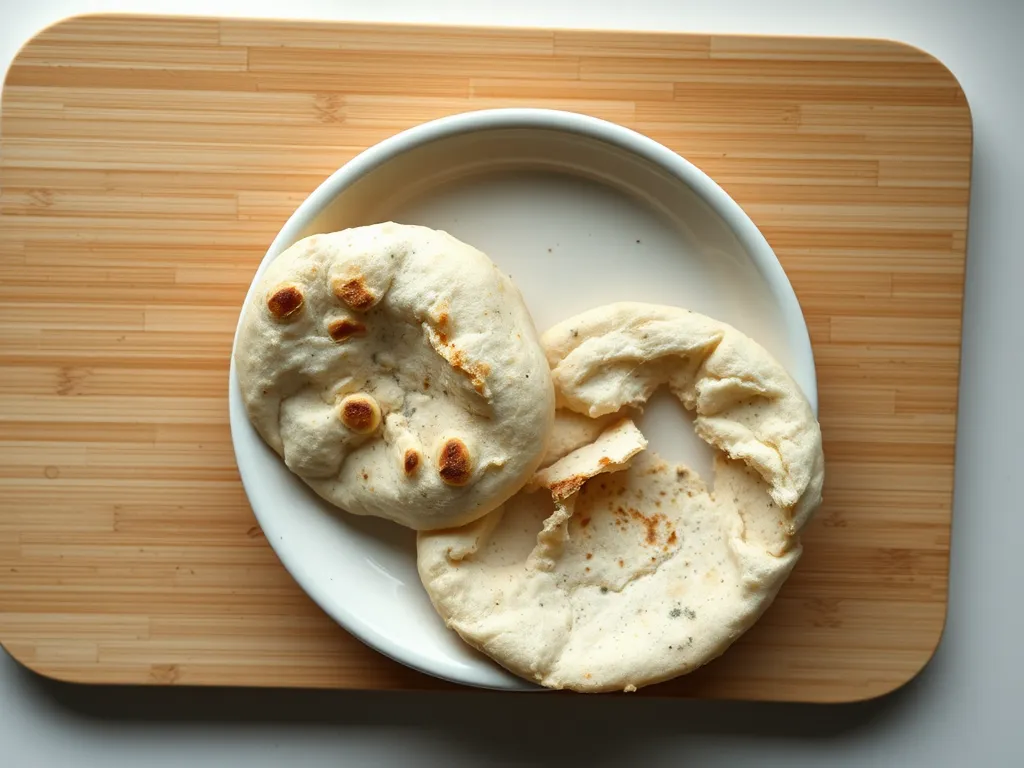
- Fuzzy mold spots or colorful speckling
- Musty, sour, or fermented odor
- Slimy or damp patches on the surface
- Discard immediately
- Toss in the trash
Day 7 (Toss Time)
7 days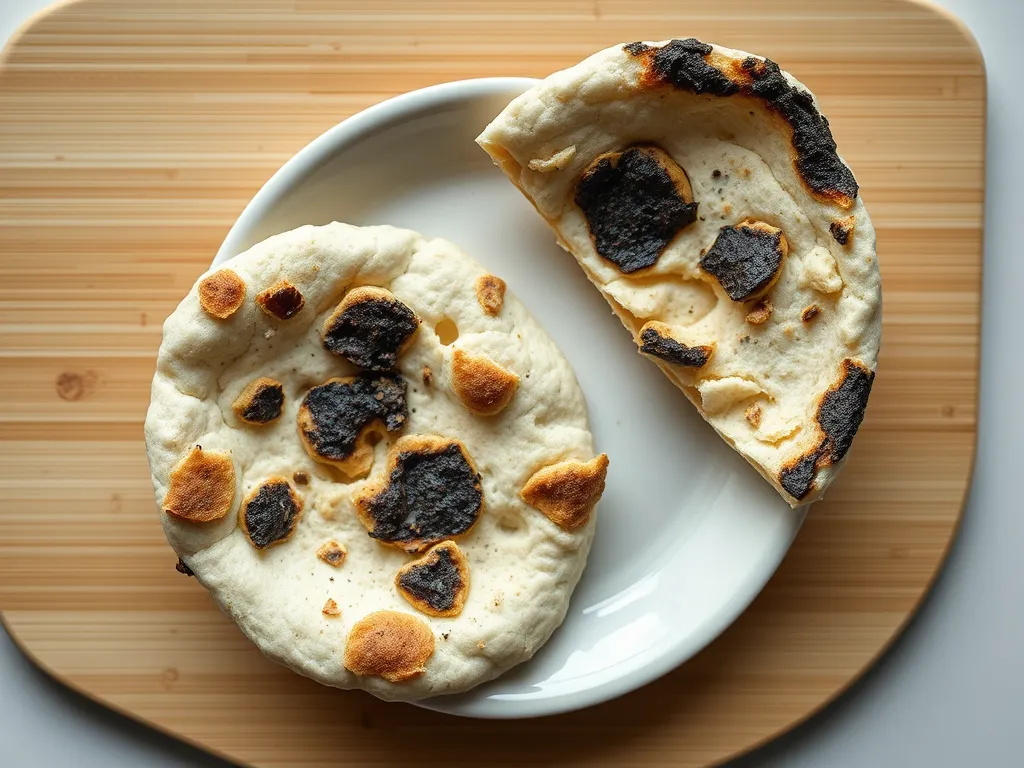
- Large, spreading mold colonies
- Strong, unpleasant musty smell
- Soft or collapsed sections due to moisture
- Discard
- Toss
Common questions
Can stale pita bread still be eaten?
Yes, if it is only dry and lacks mold. You can revive slightly stale pita bread by toasting it or using it for croutons and chips.
What does spoiled pita bread smell like?
Spoiled pita bread typically emits a musty, sour, or fermented odor. Fresh bread should only have a mild, wheaty scent.
Can you cut mold off pita bread and eat the rest?
No. Because pita bread is soft and porous, mold roots can spread deep into the bread where they are not visible to the eye.
How should I store pita bread on the counter?
Keep it in a tightly sealed bag or airtight container away from direct heat. Avoid moisture buildup, as condensation encourages mold growth.

Pita bread is easy to judge once you know the clues: soft and clean is fine, dry and stale is caution, fuzzy or musty is toss territory.