
Can You Still Eat Kohlrabi on the Counter?
How to tell if your kohlrabi is still fresh or spoiled
Kohlrabi lasts about 1 week on the counter.
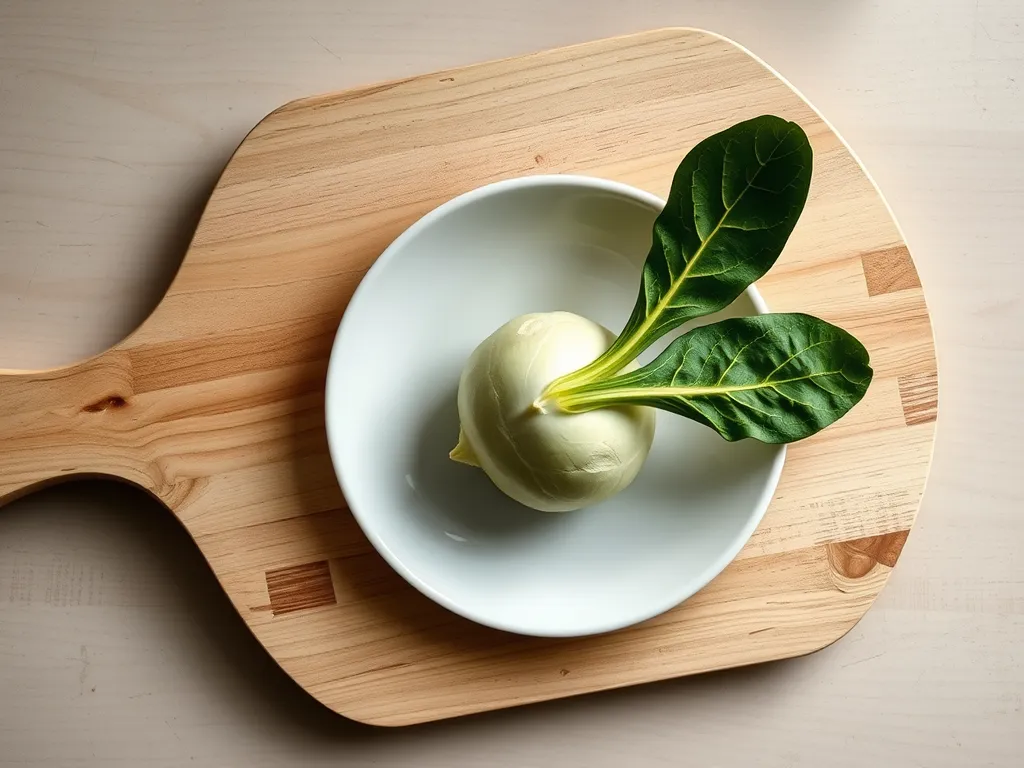
Kohlrabi is a sturdy, crisp vegetable, but it will eventually lose its signature snap when left at room temperature. A fresh bulb should feel heavy for its size, with a firm texture and lively stems if they are still attached. As the days pass, the bulb may dry out, become woody, or develop pits in the skin. While kohlrabi is relatively resilient, you must watch for signs of spoilage like mold, slimy patches, or an unpleasant odor. This guide provides a practical way to check your kohlrabi based on texture, smell, and visual cues so you can decide whether to cook it, eat it raw, or discard it safely.
Heads up: shelf-life ranges are estimates based on home storage. We make no guarantee of accuracy. When unsure, throw it out.
The full timeline
Day 1 (Peak Fresh)
1 day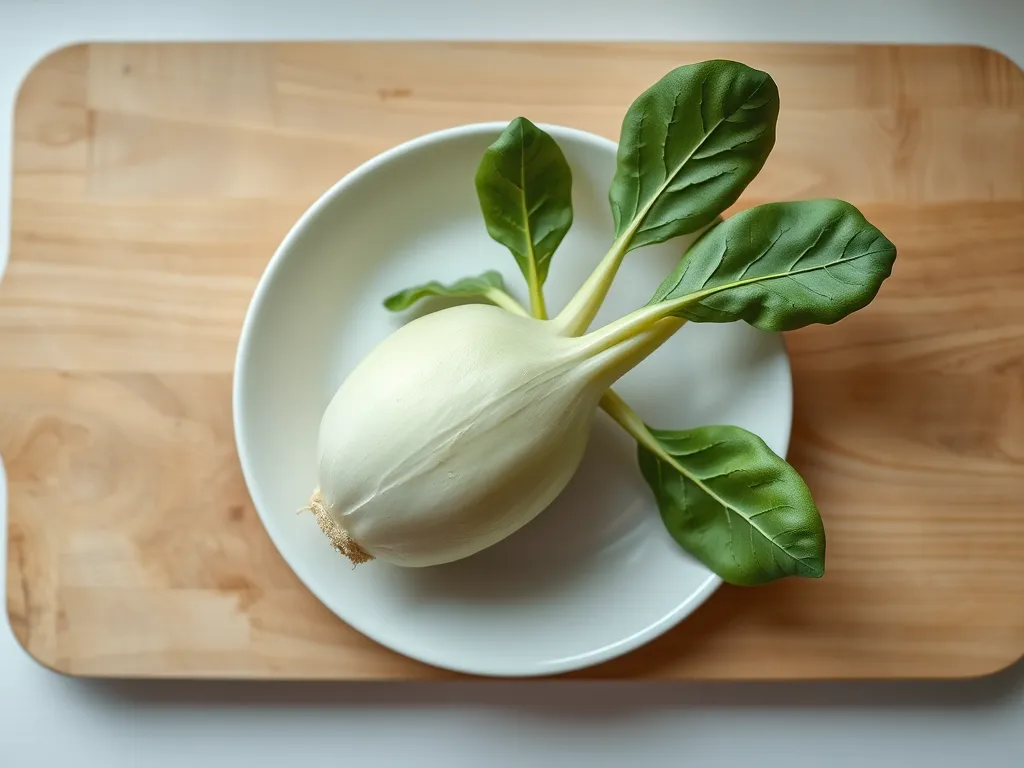
- Bulb feels dense and heavy
- Skin is smooth and pale green
- Cut surfaces appear moist and clean
- Use immediately for raw snacks
- Trim leaves if you aren't using them
- Move to the fridge to extend life
Day 3 (Softening)
3 days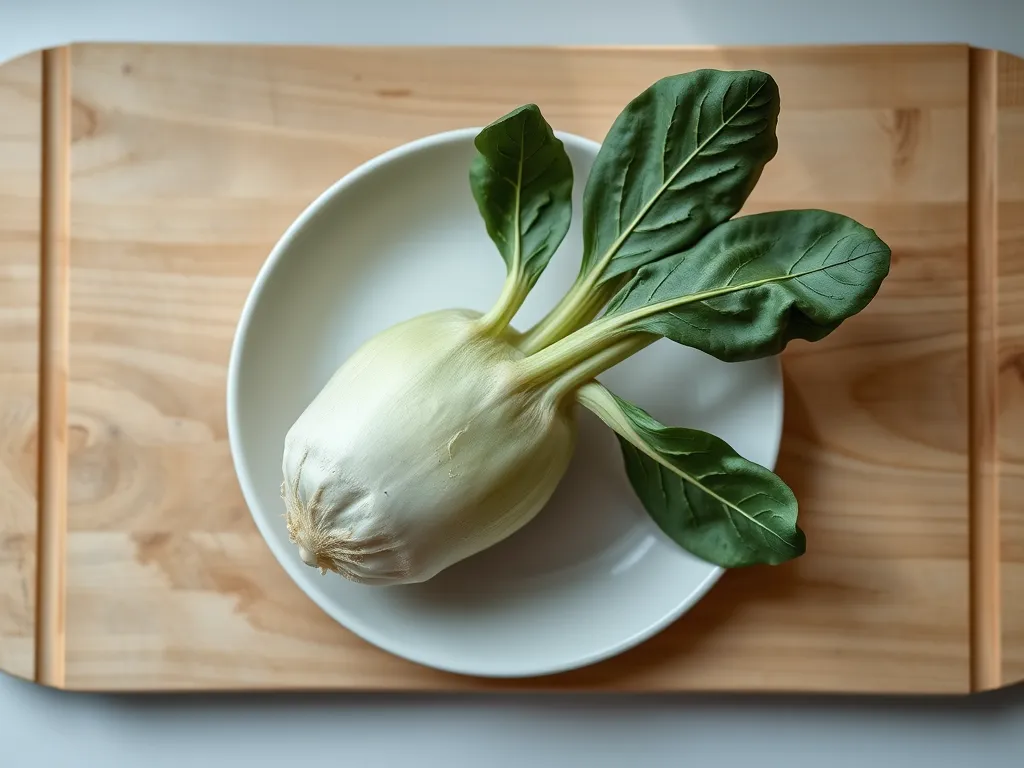
- Surface appearance becomes dull
- Leaves begin to wilt or droop
- Firmness starts to decrease slightly
- Eat raw in salads or slaw
- Slice thin for sandwiches
- Transfer to a sealed bag in the fridge
Day 5 (Woody Side)
5 days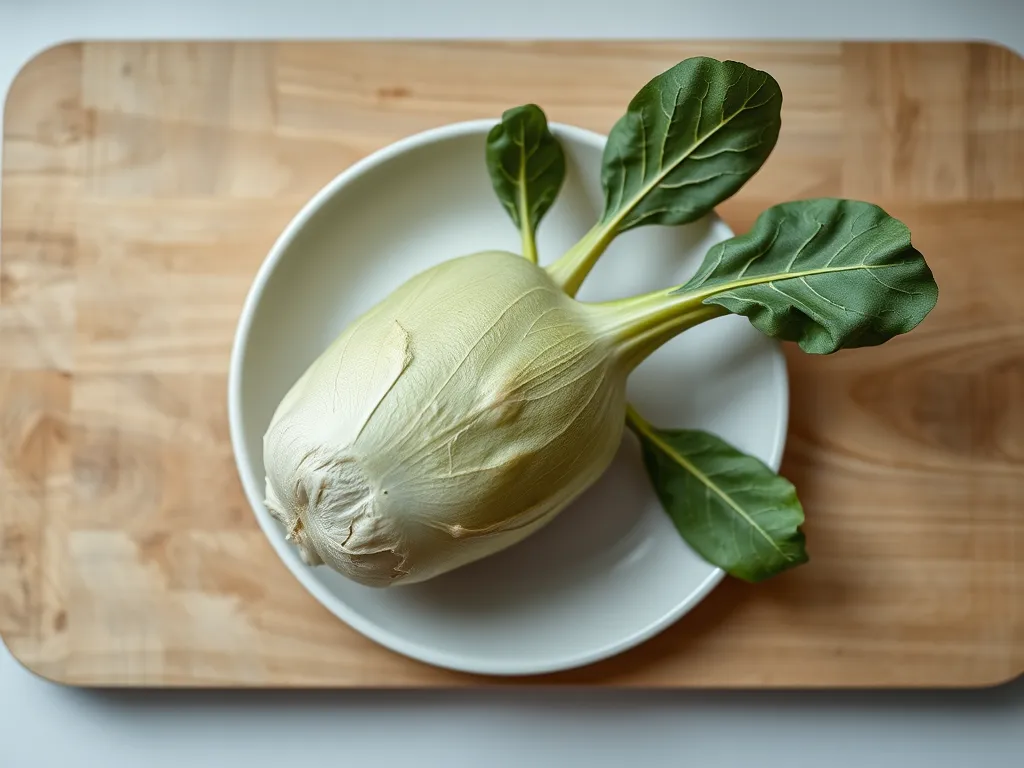
- Skin appears wrinkled or shriveled
- Texture feels fibrous or woody
- Bulb feels less juicy
- Steam or boil to soften fibers
- Peel the skin more deeply
- Use in soups or stews
Day 7 (Toss Point)
7 days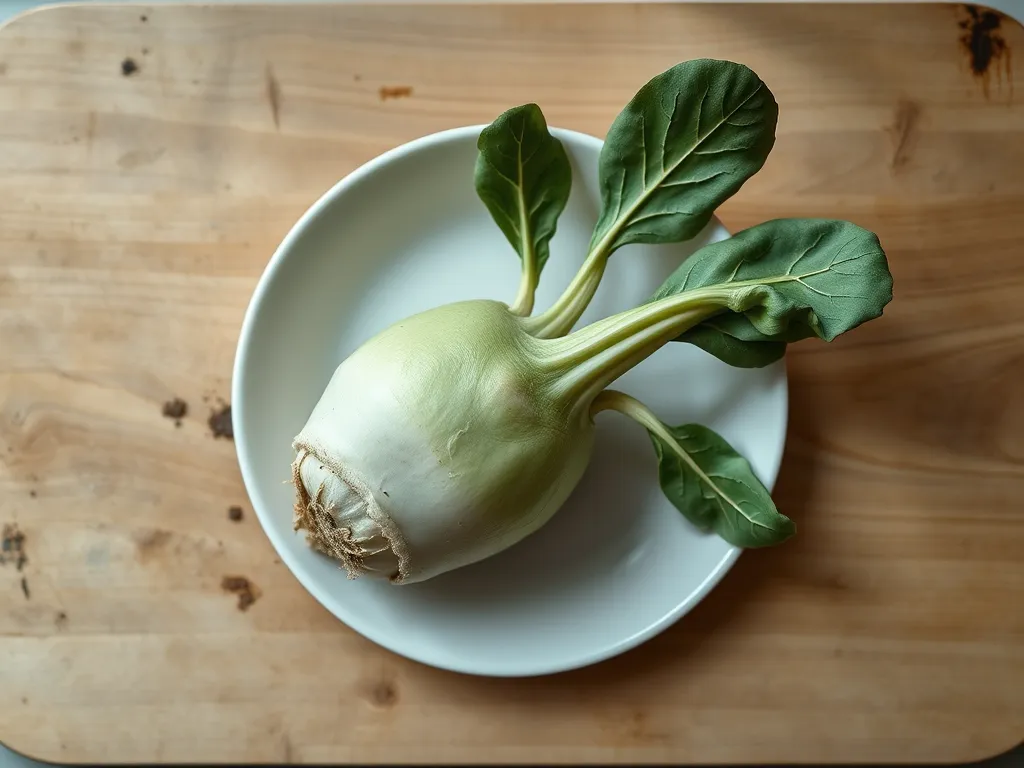
- Presence of mold on skin or stems
- Slimy or slippery texture
- Sour, musty, or unpleasant odor
- Discard immediately
- Compost the remains
- Do not consume
Common questions
How long does kohlrabi last on the counter?
Kohlrabi lasts about 1 week on the counter. To maintain its crispness, store it in a cool, dry place away from direct sunlight.
Can I freeze kohlrabi for later use?
Yes, you can freeze kohlrabi, but freezing alters its texture. For the best results, peel and chop it before freezing, then use it in cooked dishes like soups.
Should I peel kohlrabi before eating?
Yes, peeling is recommended. The outer skin can become thick and fibrous as the vegetable ages, so removing the outer layer improves the eating experience.
Is it safe to eat soft kohlrabi?
It is safe if there is no mold, slime, or sour smell. Softness usually indicates the vegetable is past its peak; cooking can help mask a slightly woody texture.
What are the signs of spoiled kohlrabi?
Look for dark spots, fuzzy mold, a slimy surface, or a sour/musty odor. If any of these are present, discard the vegetable.

Kohlrabi is quite durable, but it has a limited lifespan on the counter. Stick to firm bulbs with clean scents; if you see mold or slime, toss it.