
How Long Do Glass Noodles Last in the Pantry?
How long do glass noodles stay fresh in the pantry?
Glass noodles last about 2–3 years when stored in a cool, dry, and airtight container.
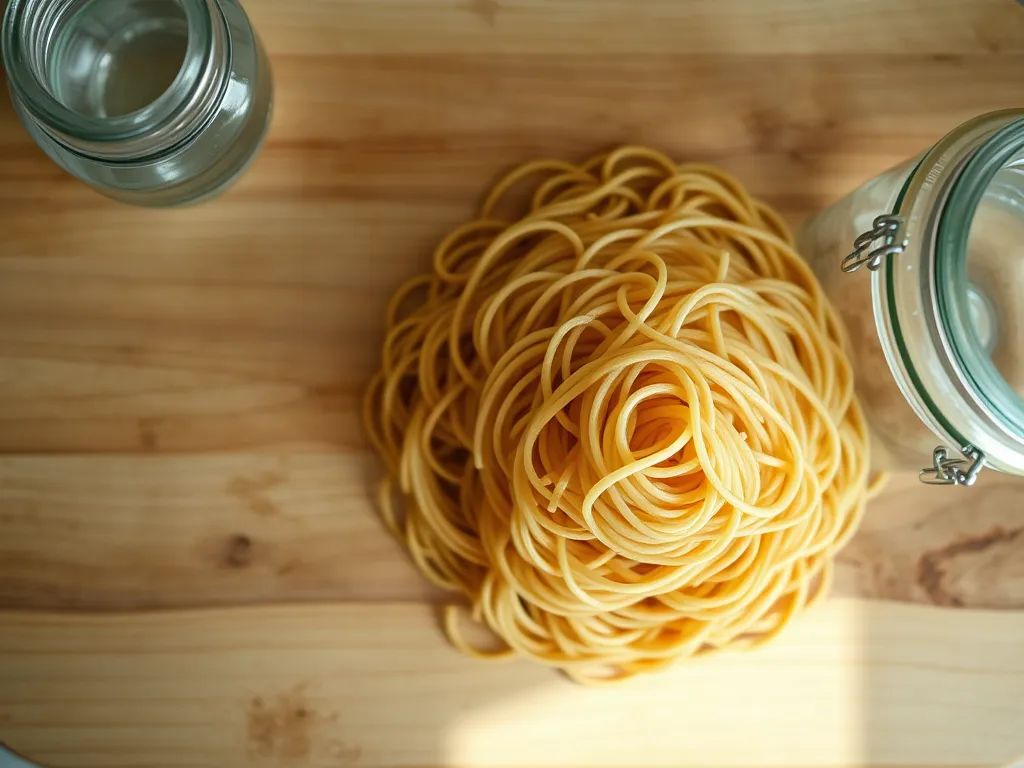
Glass noodles are versatile pantry staples often found in Asian cuisines. Typically made from mung bean or sweet potato starch, these translucent noodles are prized for their chewy texture and ability to absorb flavors. Because they are sold in a dried state, they possess an exceptionally stable shelf life when stored correctly. The primary factor in maintaining quality is moisture control; humidity can degrade the starch structure and lead to spoilage. By keeping them in an airtight container away from direct sunlight and heat, you can ensure these noodles remain a reliable part of your pantry for several years.
Heads up: shelf-life ranges are estimates based on home storage. We make no guarantee of accuracy. When unsure, throw it out.
The full timeline
Month 1 (Peak Fresh)
0–1 month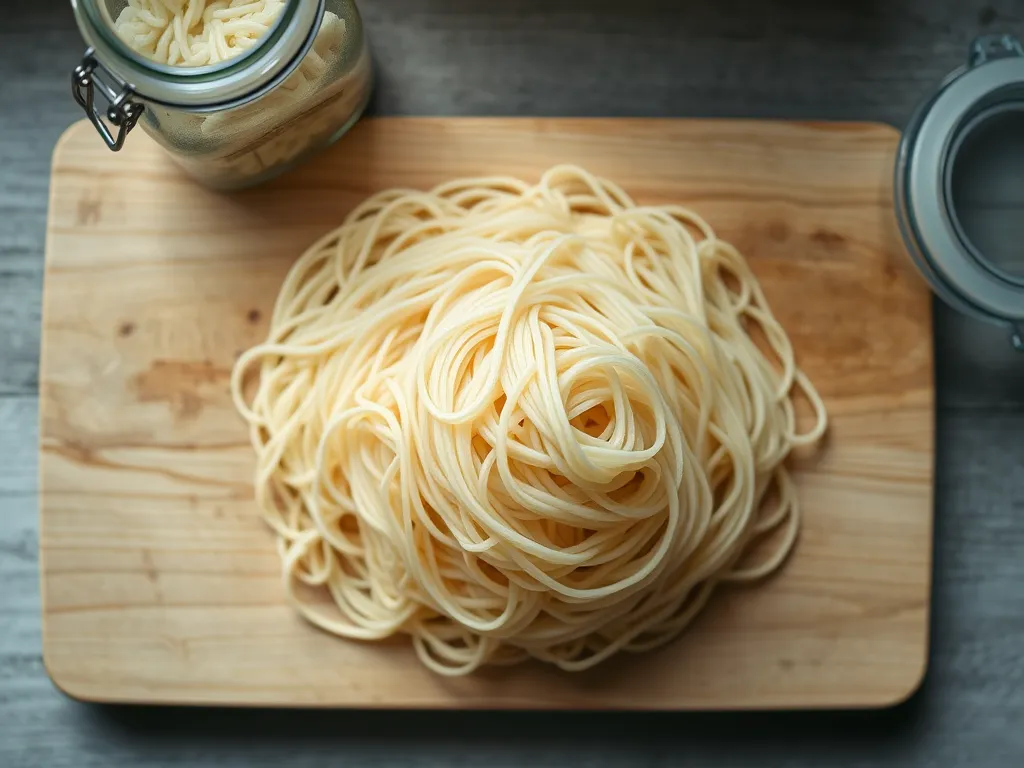
- Translucent appearance
- Dry, firm texture
- Neutral scent
- Store in an airtight container
- Use immediately
Month 12 (Still Good)
6–12 months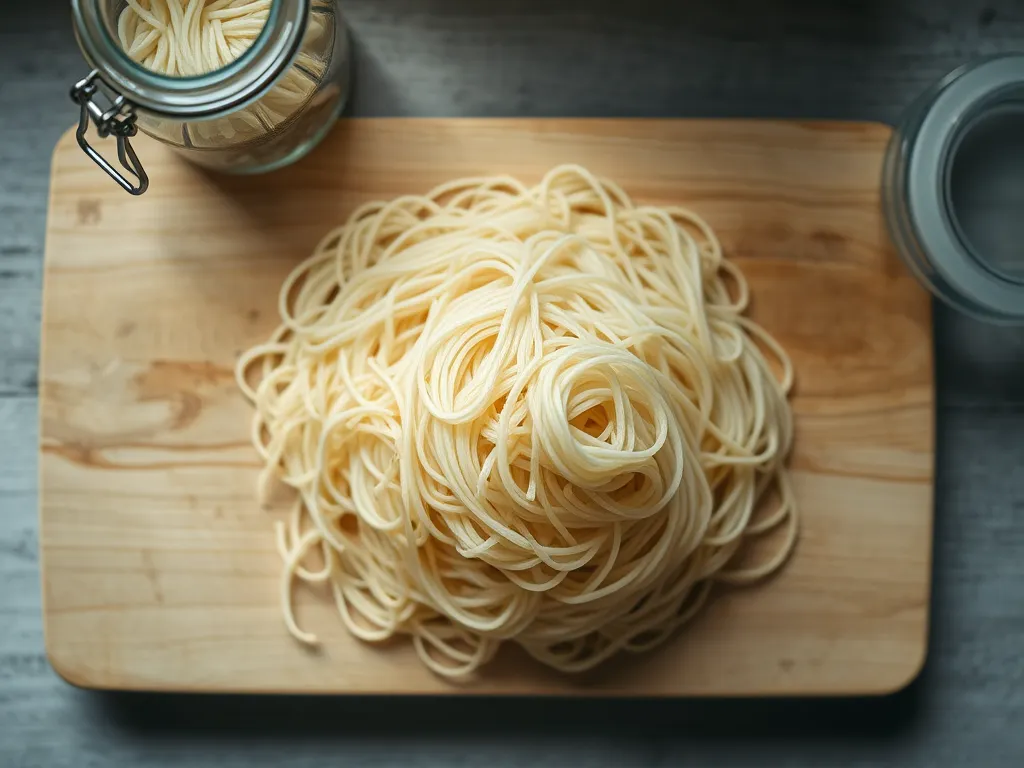
- Consistent color throughout
- Firm texture without clumping
- No signs of insect activity
- Check for moisture or clumps
- Use as normal in recipes
Year 2 (Past Prime)
1–2 years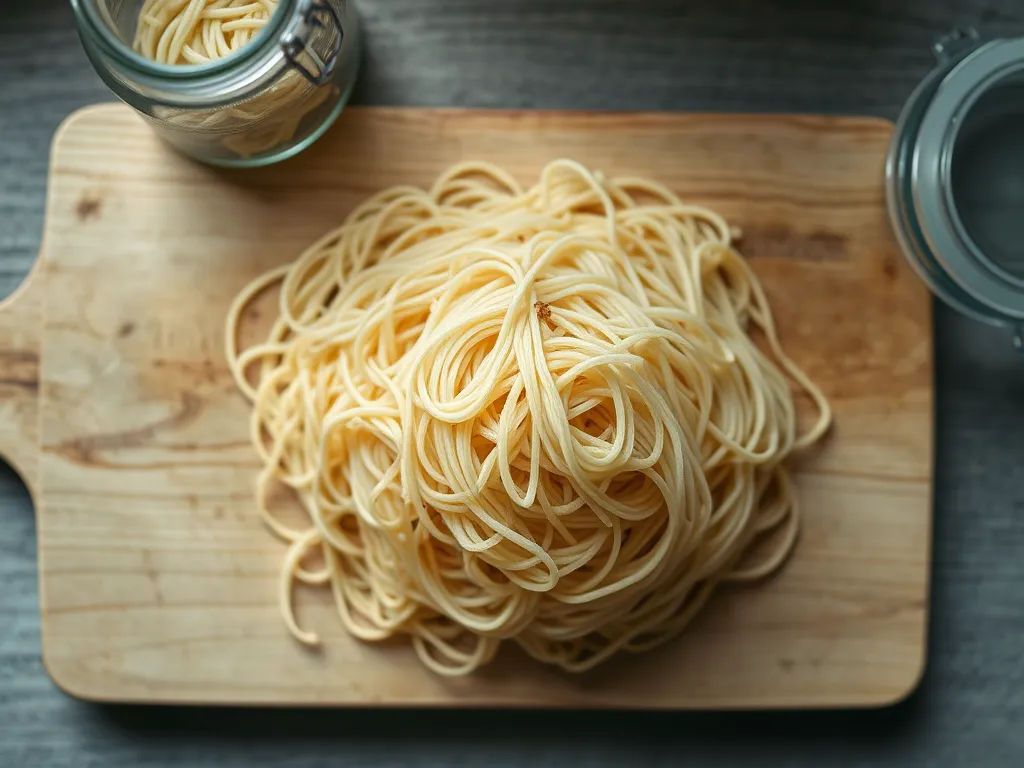
- Increased brittleness
- Faint musty odor
- Slight discoloration
- Inspect closely for pests
- Use quickly in cooked dishes
Year 3 (Toss)
Over 2 years
- Visible mold spots
- Heavy dust or debris
- Strong musty or sour odor
- Toss in the trash
Common questions
How long can I keep glass noodles in my pantry?
Glass noodles typically last 2–3 years. To reach this duration, store them in a cool, dry place inside an airtight container.
Can I use glass noodles if the bag was opened but they still look dry?
Yes, as long as there is no visible mold or evidence of pests. Transferring them to a sealed container will help prevent moisture from degrading their quality.
Do I need to refrigerate glass noodles?
No refrigeration is required for dry glass noodles. They are shelf-stable and should be kept in a pantry to maintain their texture.
Can I freeze glass noodles?
Freezing is generally unnecessary for dried noodles. If you choose to do so, ensure they are completely dry to prevent clumping from moisture absorption.
What does 'expired' mean for these noodles?
The date on the package is usually a 'best by' indicator regarding quality rather than safety. However, if they develop a musty smell or visible mold, discard them.

Keep your noodles dry and sealed to preserve that perfect chewy texture for years to come!