
How to Store Fresh Mint for 1-2 Weeks
How to Store and Identify Fresh Mint
Fresh mint keeps about 1-2 weeks when stored dry and protected from bruising.
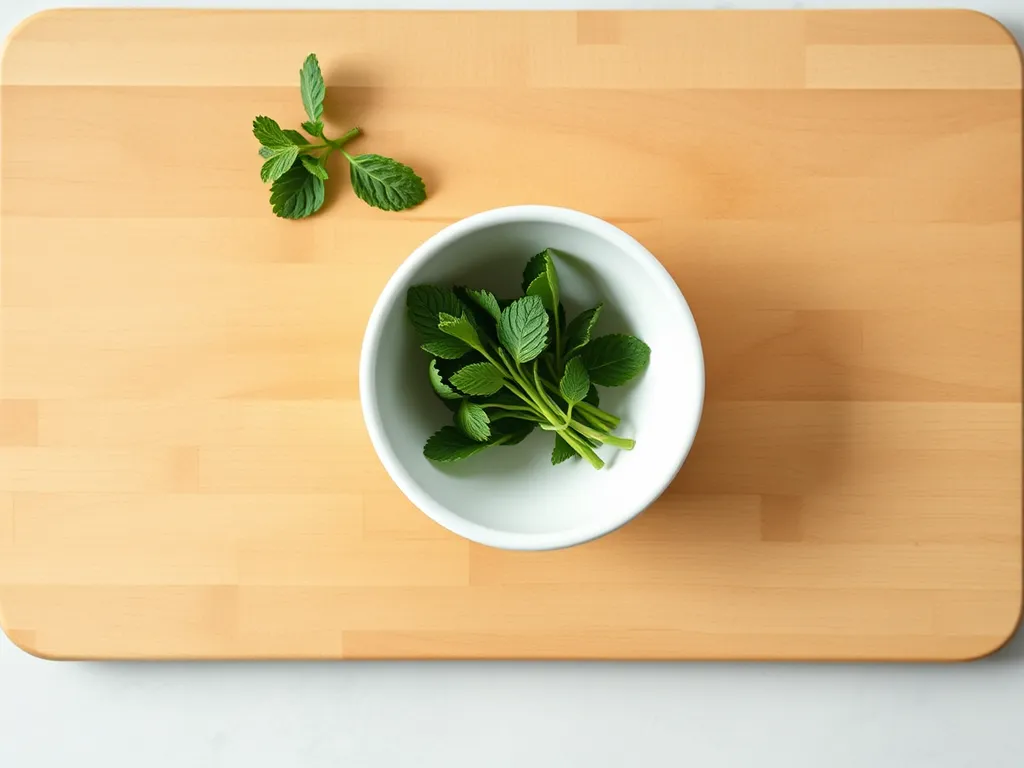
Fresh mint is a delicate herb that can wilt or rot quickly if moisture and airflow are not balanced. To maintain its vibrant green color and strong aroma, it requires careful handling to prevent crushing or excessive dampness. When stored correctly in a pantry-style setup with adequate ventilation, you can expect it to remain usable for 1-2 weeks. This guide helps you identify the visual cues of freshness versus spoilage so you can use your herbs effectively before they lose their potency. By monitoring changes in texture and scent, you can determine whether to use your mint immediately, infuse it into liquids, or discard it to avoid food waste.
Heads up: shelf-life ranges are estimates based on home storage. We make no guarantee of accuracy. When unsure, throw it out.
The full timeline
Day 1 (Peak Fresh)
1 day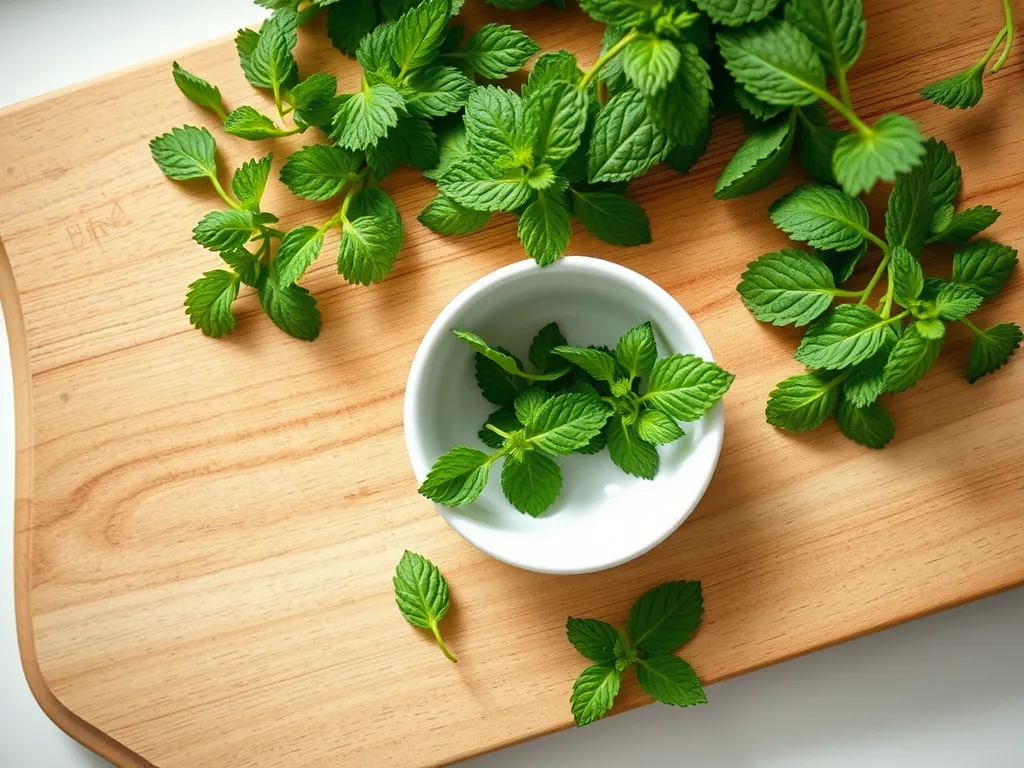
- Leaves are crisp and firm
- Bright green color without dark spots
- Strong, clean minty scent
- Use fresh as a garnish
- Store in a dry environment
Day 3–5 (Softer Leaves)
3-5 days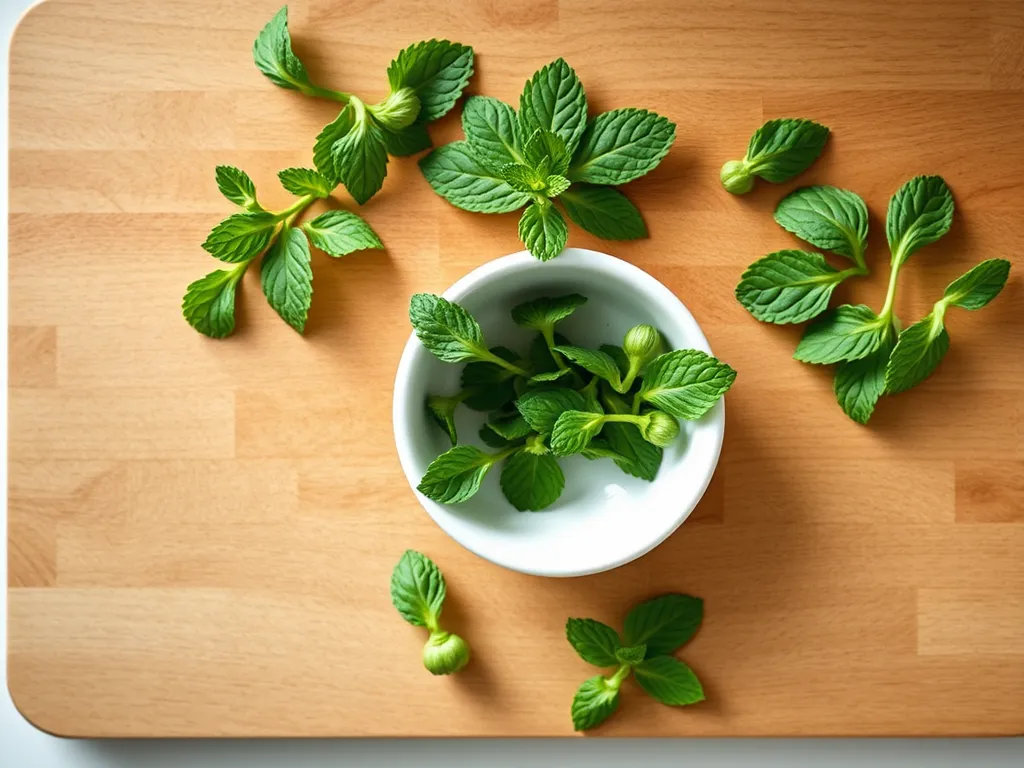
- Tips of leaves begin to soften
- Minor curling of the leaf edges
- Aroma is present but less intense
- Use in salads or cocktails
- Refresh stems if they look dry
Day 6–9 (Limp Stretch)
6-9 days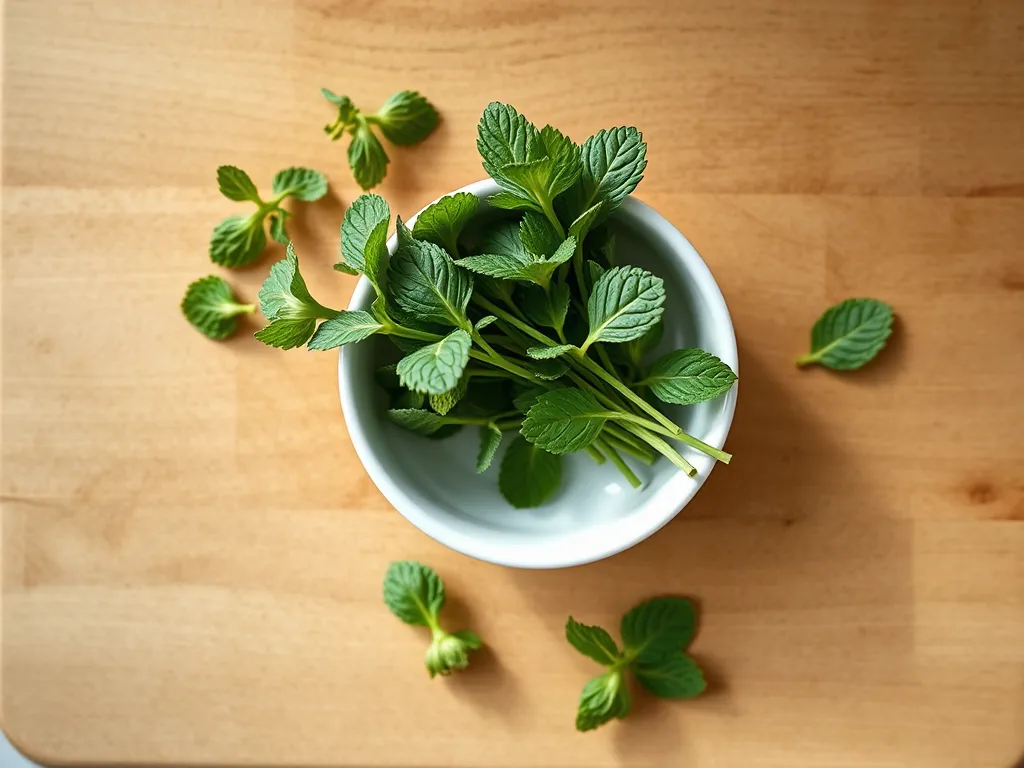
- Leaves appear limp or droopy
- Slight yellowing or small dark specks
- Reduced aromatic strength
- Steep in hot water for tea
- Chop into sauces or dressings
- Compost if leaves are heavily discolored
Day 10–14 (Spoiled Side)
10-14 days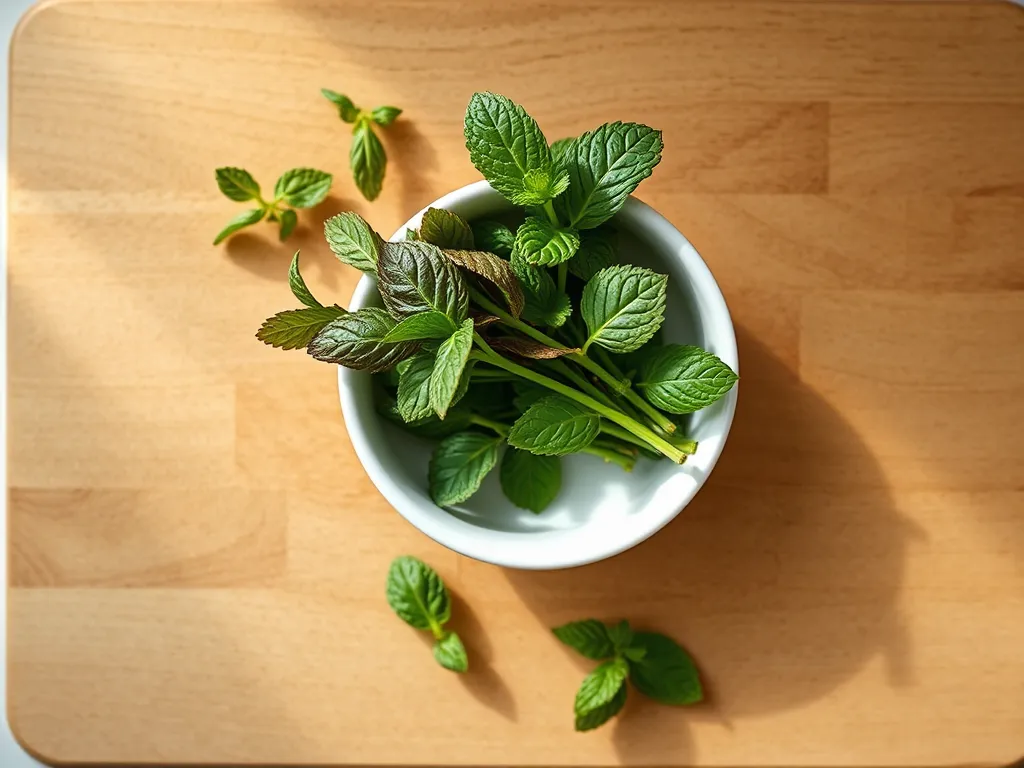
- Slimy, wet, or mushy texture
- Visible mold or blackening
- Sour or unpleasant odor
- Discard completely
- Toss in compost
Common questions
How should I store fresh mint to keep it fresh?
To maximize shelf life, keep the mint dry and protected from bruising. A breathable setup that allows airflow is more effective than a sealed container, helping it stay fresh for 1-2 weeks.
Can you freeze fresh mint?
Yes, but freezing changes the texture significantly. Frozen mint loses its crispness and is best used in smoothies, syrups, or cooked dishes rather than as a fresh garnish.
How can I tell if fresh mint has gone bad?
Check for slimy patches, mold, dark discoloration, or a sour smell. If the leaves feel wet or mushy instead of crisp, they should be discarded.
Why is my mint turning black?
Blackening is often caused by bruising or excessive moisture trapped against the leaves. Ensure your storage method allows for air circulation to prevent this.

Fresh mint rewards gentle handling: keep it dry, watch for limp leaves, and toss it once slime or mold shows up.