
How Long Does Fish Sauce Last in the Pantry?
How to Identify Freshness and Spoilage in Fish Sauce
Fish sauce lasts about 2–3 years when stored properly in a cool, dark pantry.
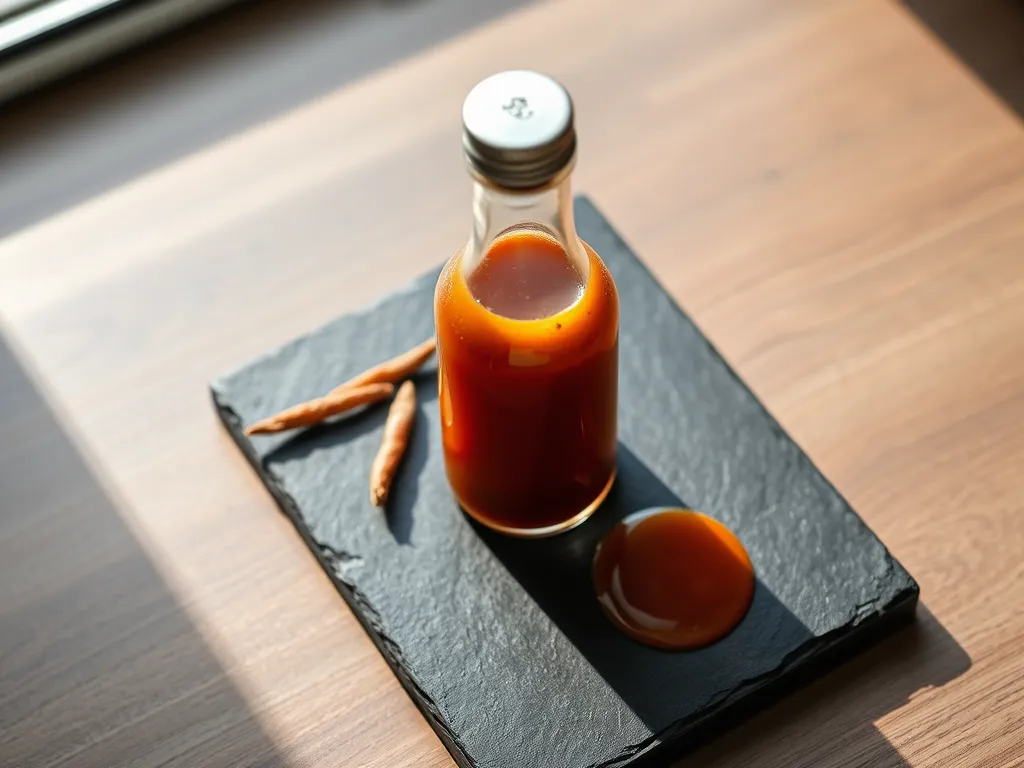
Fish sauce is a highly stable condiment due to its high salt content, which acts as a natural preservative. When kept tightly sealed and stored in a cool, dry pantry, it maintains its quality for several years. It is common for the liquid to darken or the aroma to intensify slightly over time through natural oxidation; this does not necessarily mean the sauce has spoiled. To ensure safety, focus on detecting physical changes like mold growth, an unpleasant rotten odor, or unusual cloudiness that was not present when first opened. By understanding these subtle shifts between natural aging and actual spoilage, you can maximize the use of your pantry staples while maintaining food safety standards.
Heads up: shelf-life ranges are estimates based on home storage. We make no guarantee of accuracy. When unsure, throw it out.
The full timeline
Day 1 (Peak Clear)
freshly opened
- Clear, amber-brown liquid
- No visible sediment or particles
- Clean, glossy surface texture
- Continue using
- Ensure lid is airtight
Month 6 (Still Stable)
6 months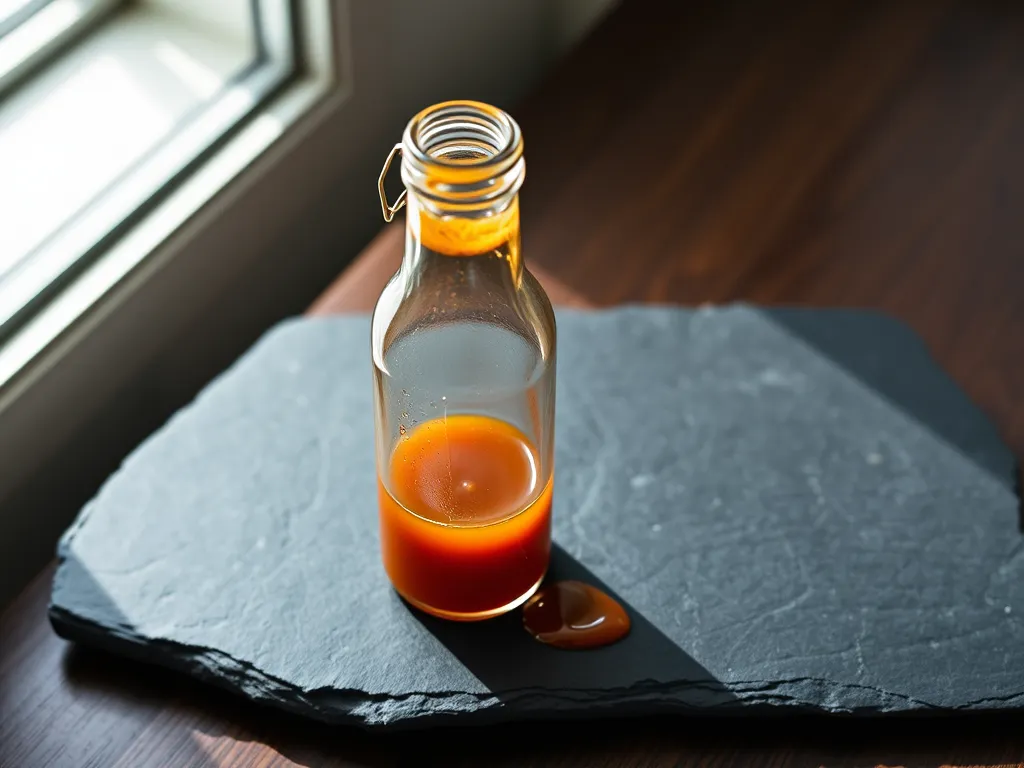
- Slightly deeper color than original
- No gas bubbles or fizzing
- Smooth, consistent pour
- Maintain pantry storage
- Refrigerate to slow aging
Year 2 (Quality Drift)
2 years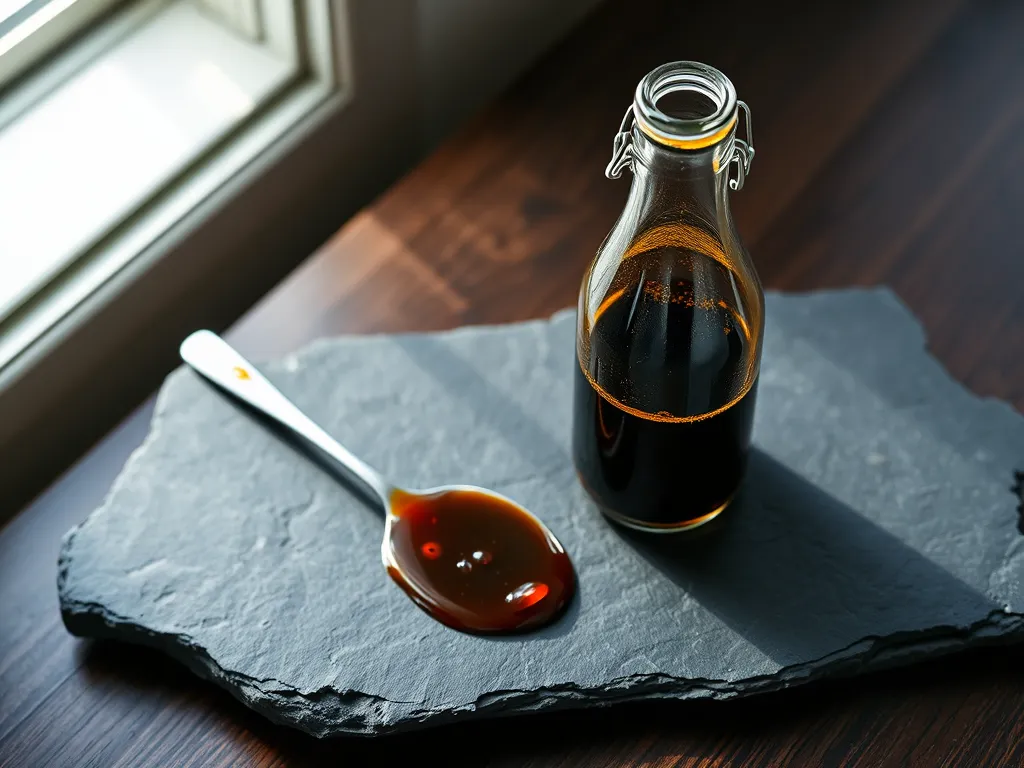
- Noticeably darker hue
- Sharper or more pungent aroma
- Possible thin residue around the bottle rim
- Inspect for sediment
- Check aroma before use
Year 3 (Toss It)
3 years and beyond
- Visible mold or fuzzy growth
- Putrid or rotten odor
- Thick sludge or abnormal separation
- Discard immediately
- Toss in trash
Common questions
Does fish sauce need to be refrigerated after opening?
No, fish sauce does not require refrigeration. It can stay shelf-stable in a cool pantry for 2–3 years. Refrigeration is optional and can help preserve the original color and flavor profile longer.
Why has my fish sauce turned darker?
Darkening is usually caused by oxidation or natural aging. A change in color alone does not mean the sauce is spoiled; check for mold or a rotten smell to confirm spoilage.
How can I tell if my fish sauce has gone bad?
The primary signs of spoilage are the presence of visible mold, a distinctly rotten or sour odor, or the development of thick, abnormal sludge in the liquid.
Is it safe to use fish sauce with a very strong smell?
A pungent, savory scent is normal for fermented condiments. However, if the smell shifts from savory to putrid or rotten, do not use it.

Fish sauce is built for longevity; keep it sealed and cool, focusing on detecting mold or foul odors rather than simple color changes.