
How to Tell If Eggs Are Still Good
How to tell if eggs are still good to eat
Eggs keep about 3–5 weeks at room temperature, but any cracked, smelly, or slimy egg goes in the trash.
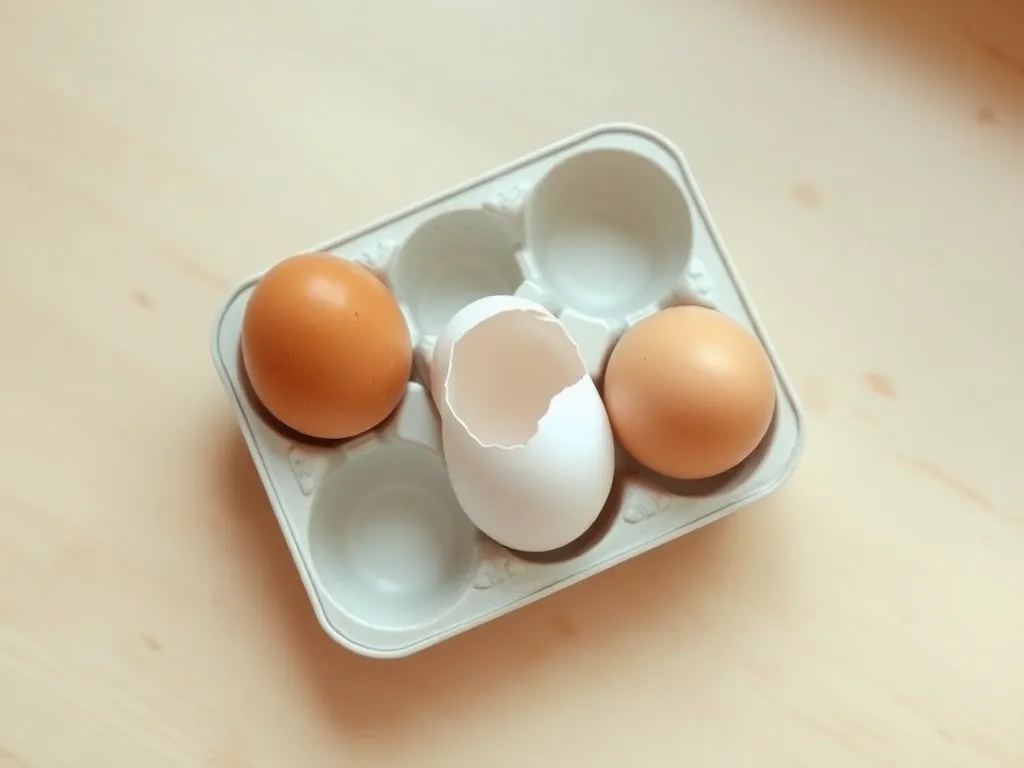
Determining the freshness of eggs depends heavily on how they were handled before purchase and local food safety regulations. In some regions, eggs are washed and must be refrigerated; in others, a natural protective coating remains intact, allowing for counter storage. This guide uses a 3–5 week window as a conservative estimate for room-temperature storage. However, time is only one factor. The most reliable indicators of spoilage are the smell, the condition of the shell, and the appearance of the yolk and white once cracked. Because foodborne illness is a serious risk, always prioritize sensory cues over age alone. If an egg shows any signs of leakage or odor, discard it immediately.
Heads up: shelf-life ranges are estimates based on home storage. We make no guarantee of accuracy. When unsure, throw it out.
The full timeline
Day 1 (Fresh Shell)
fresh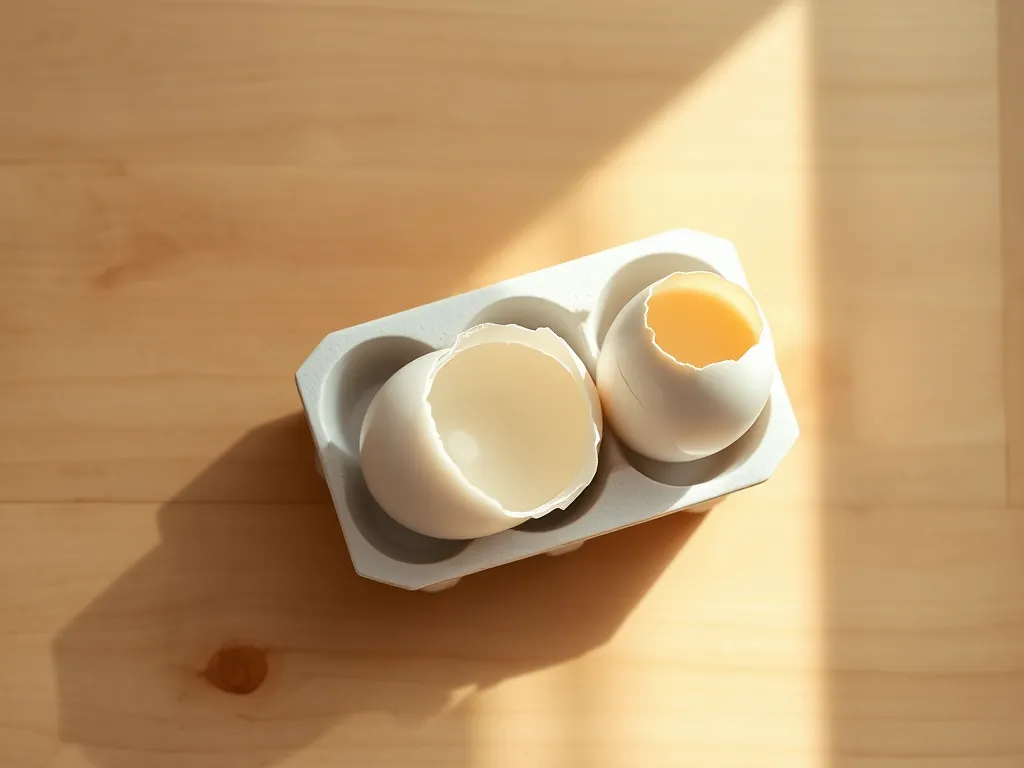
- Shell is clean, dry, and intact
- No visible cracks or leaks
- Egg white is clear and gel-like when cracked
- Use for any recipe
- Refrigerate if required by local laws
- Check source or purchase date
Day 7 (Still Okay)
1 week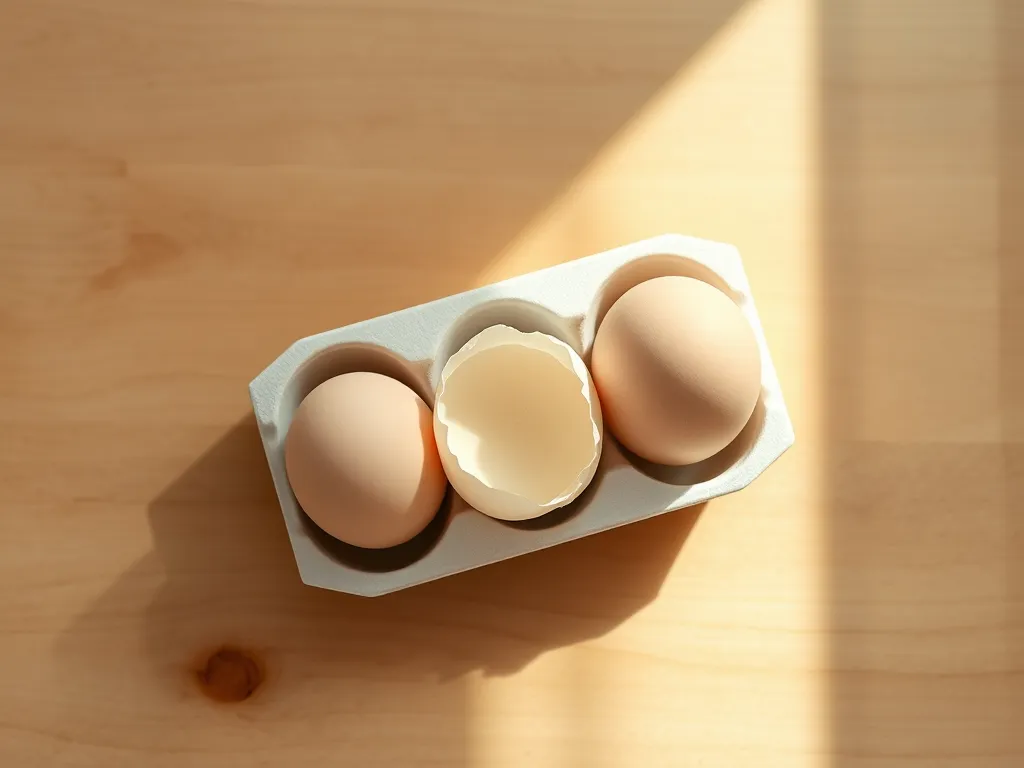
- Shell remains dry and normal
- No sticky residue on the exterior
- No sour scent upon cracking
- Use for baking
- Cook thoroughly
- Monitor for shell degradation
Day 21 (Question Mark)
3 weeks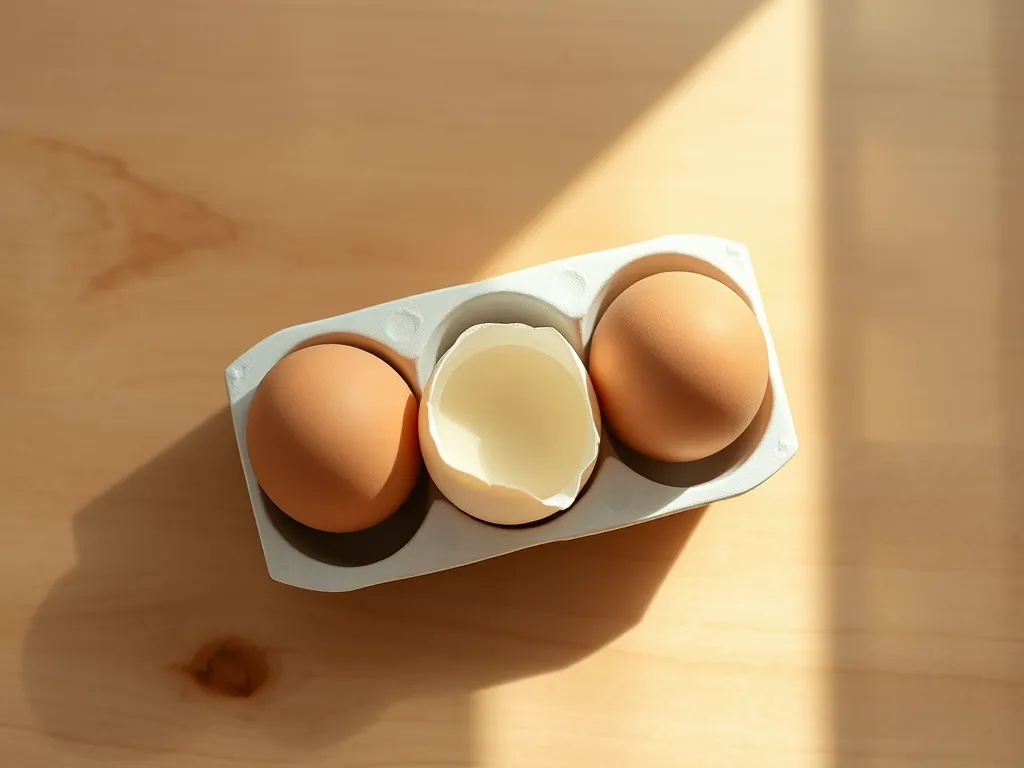
- Shell may appear dull or chalky
- Egg white appears thin or watery
- Smell becomes a primary indicator
- Use only if smell and look are normal
- Hard-boil for safety
- Discard if shell is cracked or smells off
Day 28 (Spoilage Signs)
4 weeks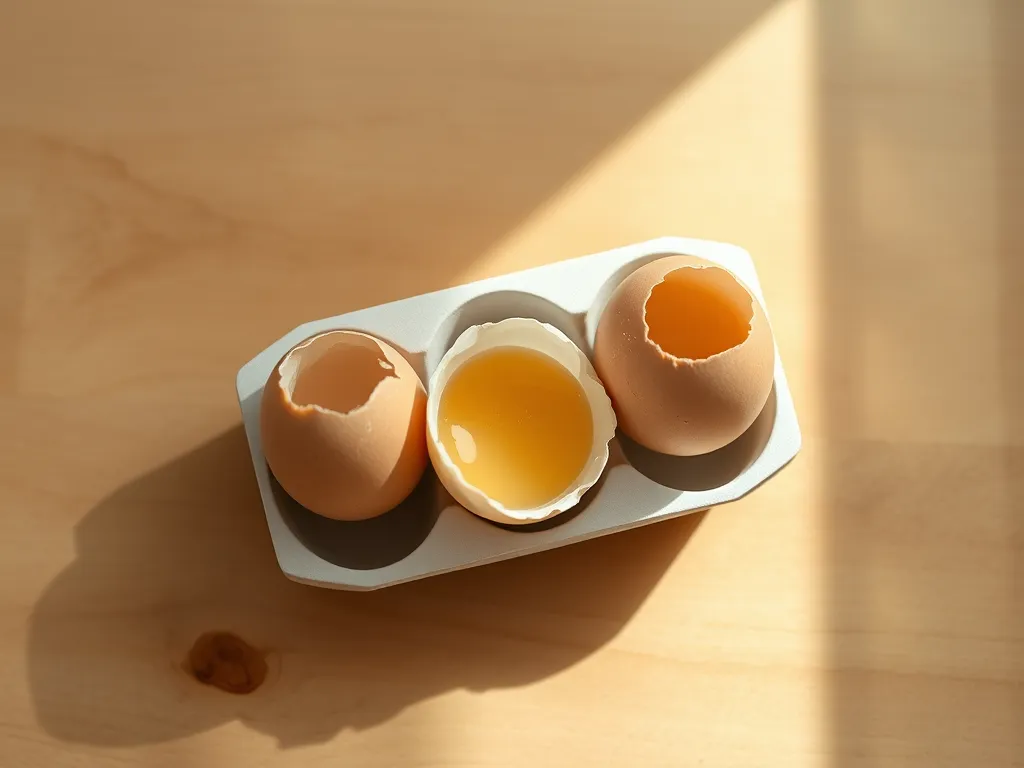
- Possible sulfurous or unpleasant odor
- Shell shows grime, seepage, or damage
- White appears discolored or very runny
- Discard immediately
- Do not taste-test
- Avoid using in cooking
Day 35 (Unsafe)
5 weeks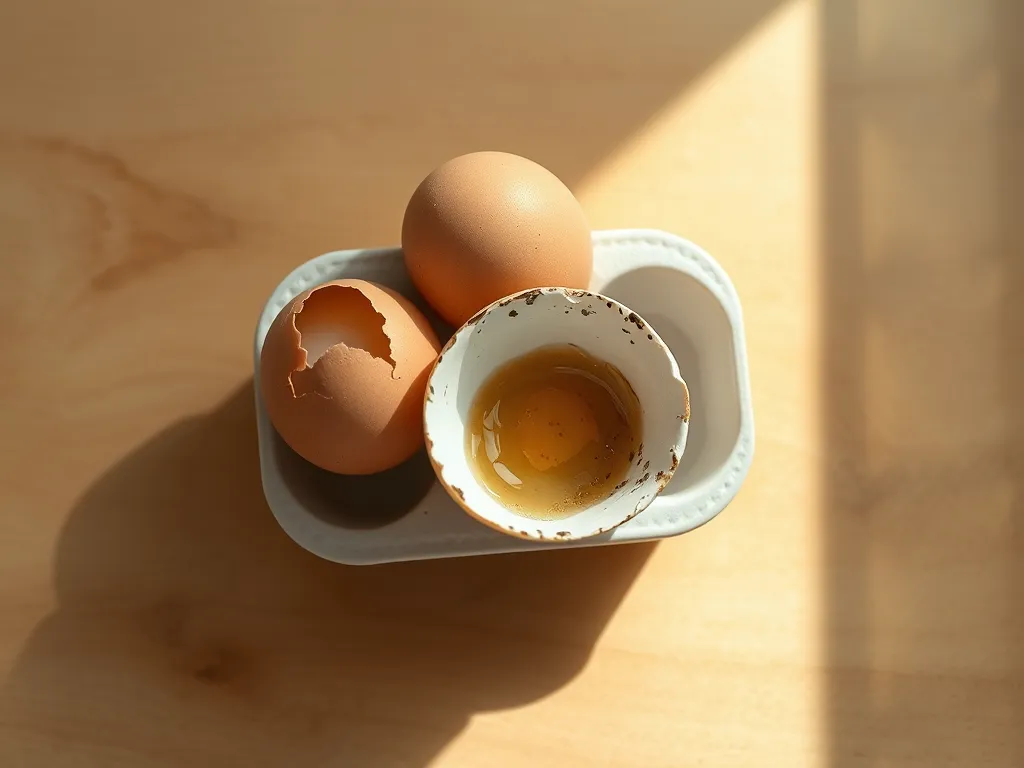
- Strong, unpleasant odor after cracking
- Shell is cracked or leaking liquid
- Visible slime or discoloration
- Toss in the trash
- Discard immediately
- Do not consume
Common questions
Is the egg float test reliable?
The float test is not a definitive way to determine safety. It is better to crack the egg into a separate bowl and check for smell, shell integrity, and appearance.
Can I cook an egg that smells slightly off?
No. Cooking does not neutralize toxins produced by spoilage bacteria. If an egg smells sulfurous or rotten, discard it.
What if the shell looks perfect but the egg is spoiled?
Spoilage can occur internally without visible shell damage. Always crack eggs into a separate container before adding them to other ingredients to detect odors or discoloration.
How should I store eggs for maximum shelf life?
To maximize freshness, keep eggs in a cool, stable environment. In many regions, refrigeration is the safest method for long-term storage.

Eggs are reliable until they aren't. Use the 3–5 week counter window as a guide, but let smell and appearance make the final decision. If an egg is cracked, leaking, or stinky, discard it.