
Can You Still Eat Blueberries After 2 Weeks?
How to identify fresh vs. spoiled blueberries
Blueberries last 1–2 weeks in the refrigerator.
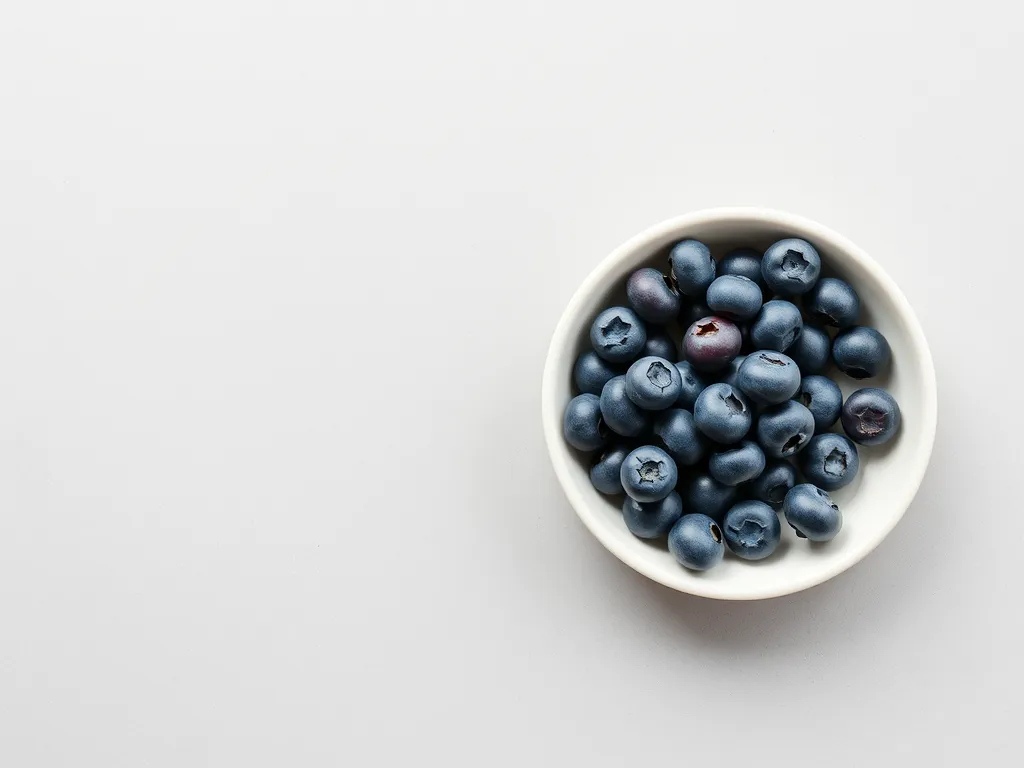
Blueberries are delicate produce that require proper handling to maintain their texture and flavor. When kept cold, dry, and intact, fresh blueberries typically remain good for about 1–2 weeks in the refrigerator. However, once moisture accumulates or skins begin to break, quality declines rapidly through wrinkling, leaking juice, or mold growth. This guide helps you distinguish between berries that are perfect for snacking and those that have passed their prime. By recognizing specific visual cues—such as the natural matte bloom versus fuzzy mold—you can manage your pantry more effectively and avoid food waste. Note that these guidelines apply to fresh blueberries stored in a refrigerator, not frozen or cooked varieties.
Heads up: shelf-life ranges are estimates based on home storage. We make no guarantee of accuracy. When unsure, throw it out.
The full timeline
Day 1 (Peak Fresh)
0–1 day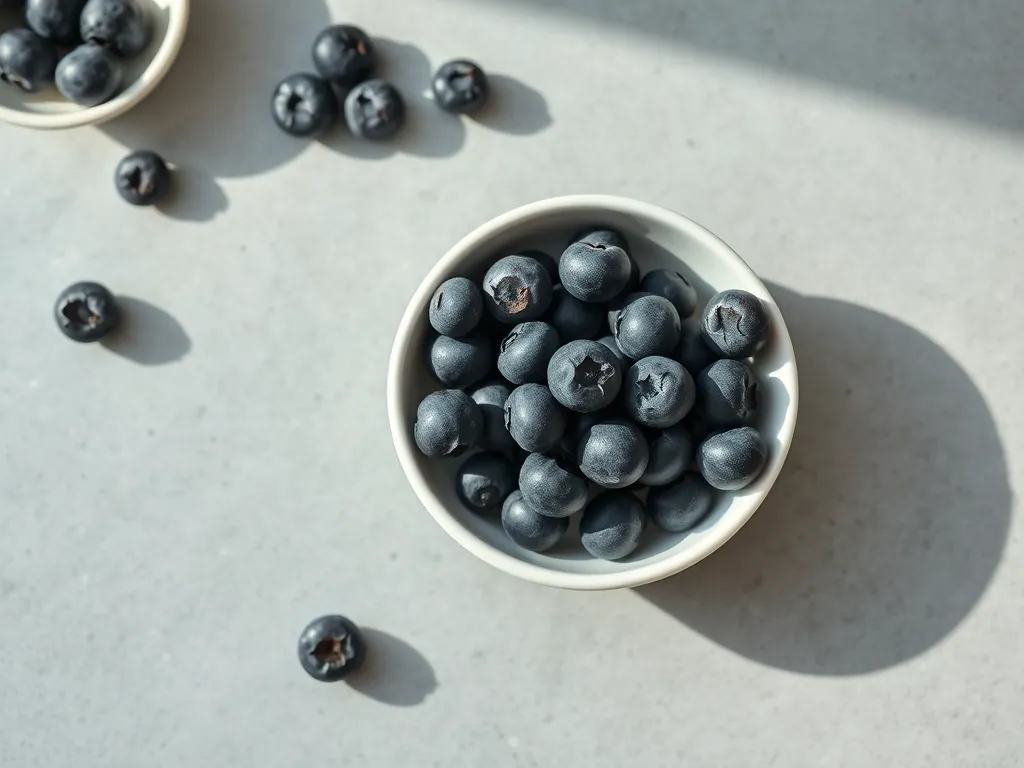
- Deep blue color with a natural, dusty matte bloom
- Firm, plump texture
- Dry skins with no signs of leaking juice
- Eat immediately
- Store in the refrigerator
Day 4 (Still Good)
2–4 days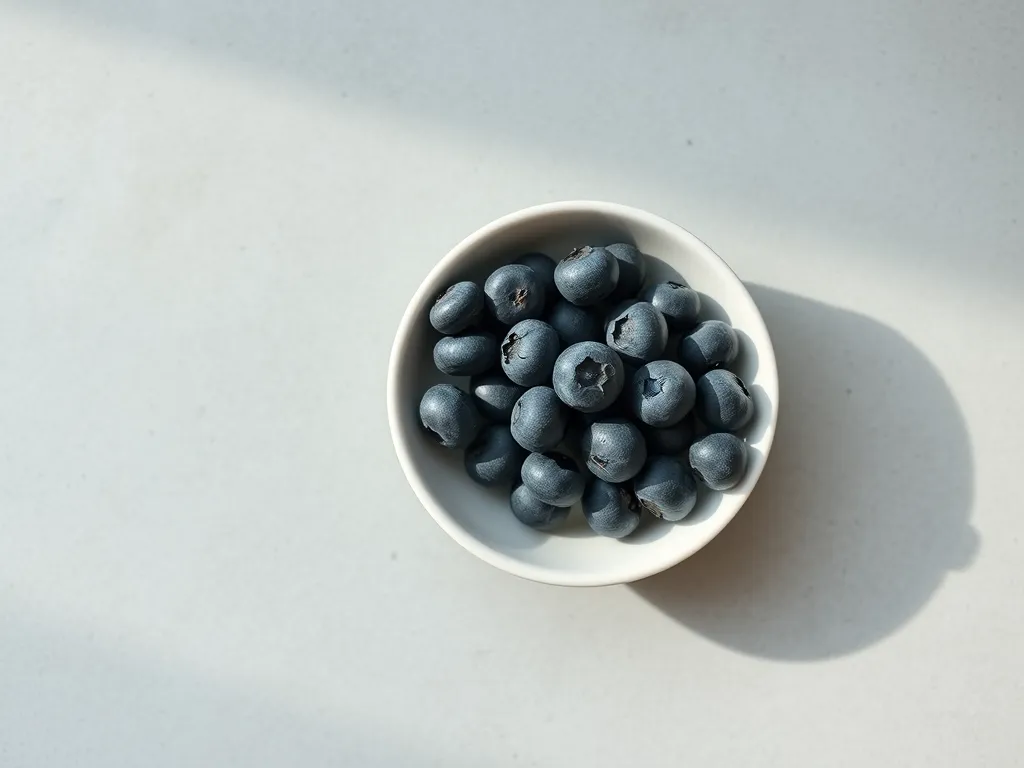
- Even coloring across most berries
- Slight softening at the edges
- No visible mold or wet spots
- Eat within 1–2 days
- Continue refrigerated storage
Day 7 (Past Prime)
5–7 days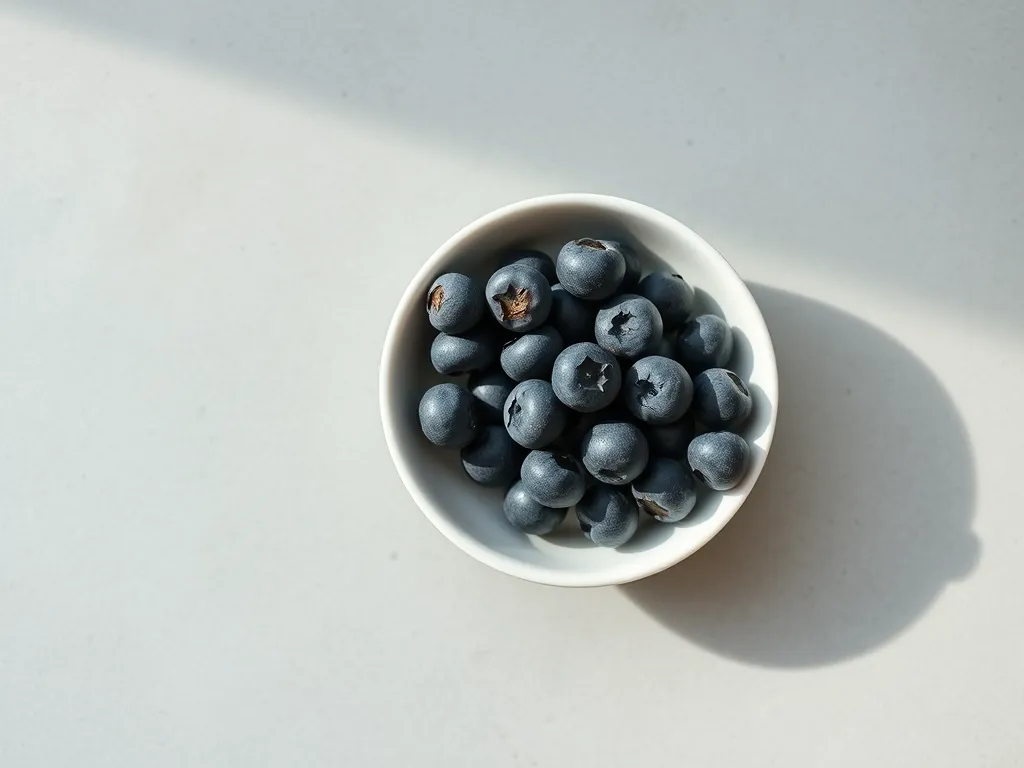
- Wrinkled or shriveled skins
- Dull appearance
- Small leaks or crushed areas
- Use for cooking/baking
- Sort out any mushy berries
Day 10–14 (Toss Time)
1–2 weeks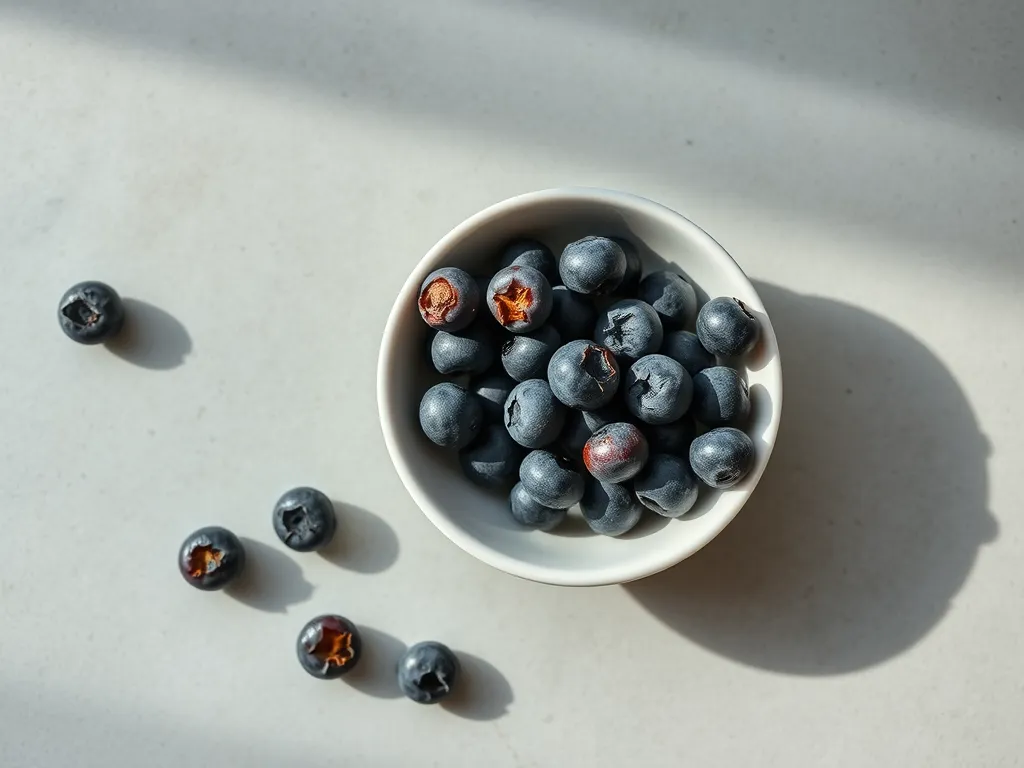
- Visible fuzzy mold growth
- Shriveled, extremely soft fruit
- Sticky or leaking juice
- Off-smell
- Discard immediately
- Toss out affected batch
Common questions
How long do blueberries last in the refrigerator?
Blueberries typically stay fresh for 1–2 weeks when stored in a cool, dry environment in the refrigerator.
Should I wash blueberries before storing them?
No. Avoid washing blueberries until you are ready to eat them. Excess moisture encourages mold growth and shortens their shelf life.
Can I freeze blueberries that are getting old?
Yes, as long as they are still firm and free of mold, you can freeze them for later use in smoothies or baking.
What should I do if I see mold on one blueberry?
If mold is present, it is safest to discard the entire container. Mold spores spread quickly through the moisture of soft fruit.

Prioritize dry and firm berries for snacking. If they become wrinkled or leaky, use them for baking; if you see mold, toss them immediately.