
How Long Is Leftover Bibimbap Safe to Eat?
Storage and Safety Guide for Leftover Bibimbap
Bibimbap is safe to eat in the refrigerator for 3–4 days.
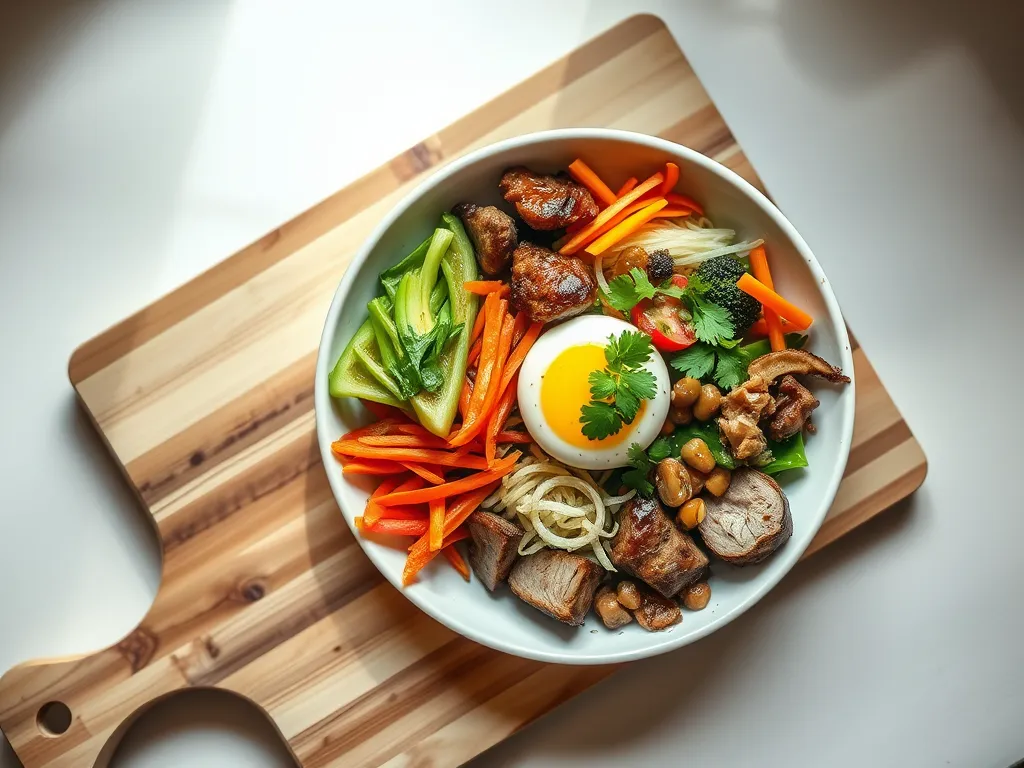
Bibimbap is a complex, multi-ingredient dish consisting of rice, sautéed vegetables, proteins like beef or egg, and gochujang sauce. Because it combines various cooked components with different moisture levels, its shelf life depends on how well each ingredient is preserved. When stored in an airtight container in the refrigerator, bibimbap remains safe for several days. However, the mixture of textures means that rice can dry out quickly while vegetables may release moisture, making them soggy. For the best experience, prioritize airtight storage to maintain both food safety and the intended quality of the ingredients.
Heads up: shelf-life ranges are estimates based on home storage. We make no guarantee of accuracy. When unsure, throw it out.
The full timeline
Day 1 (Peak Fresh)
0–24 hours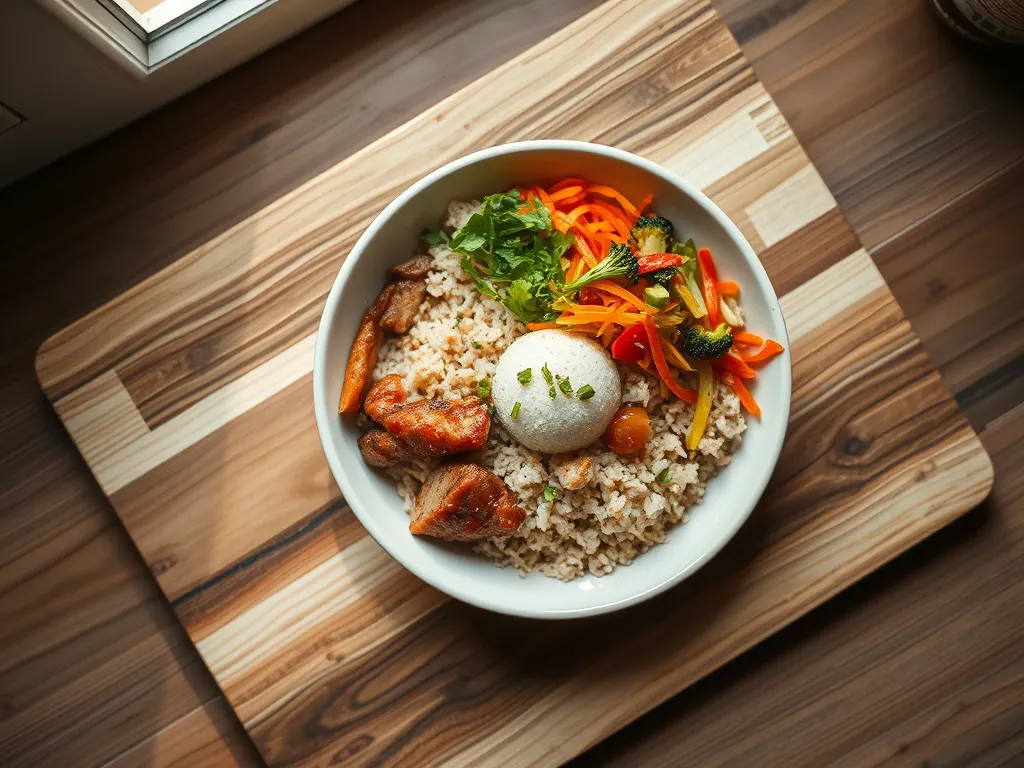
- Vibrant vegetable colors
- Moist, fluffy rice texture
- Freshly tossed appearance
- Eat immediately
- Store in an airtight container
Day 2 (Good Quality)
1–2 days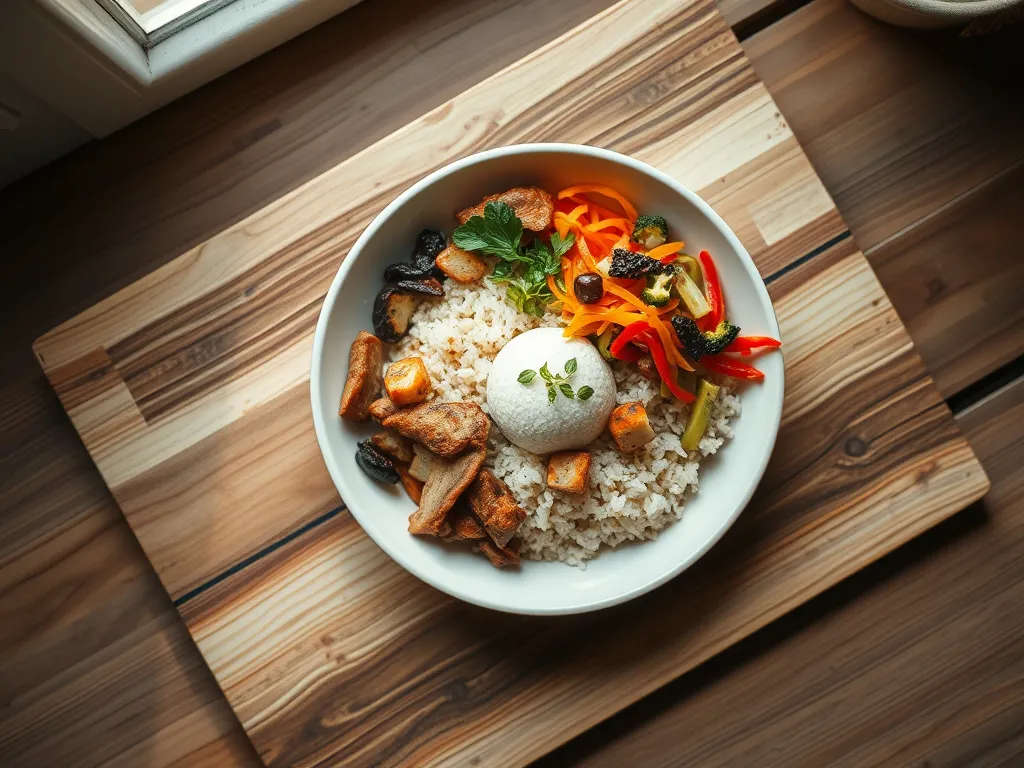
- Slightly firmer rice grains
- Maintained vegetable color
- No visible moisture separation
- Reheat and serve
- Continue refrigeration
Day 3 (Caution Zone)
3 days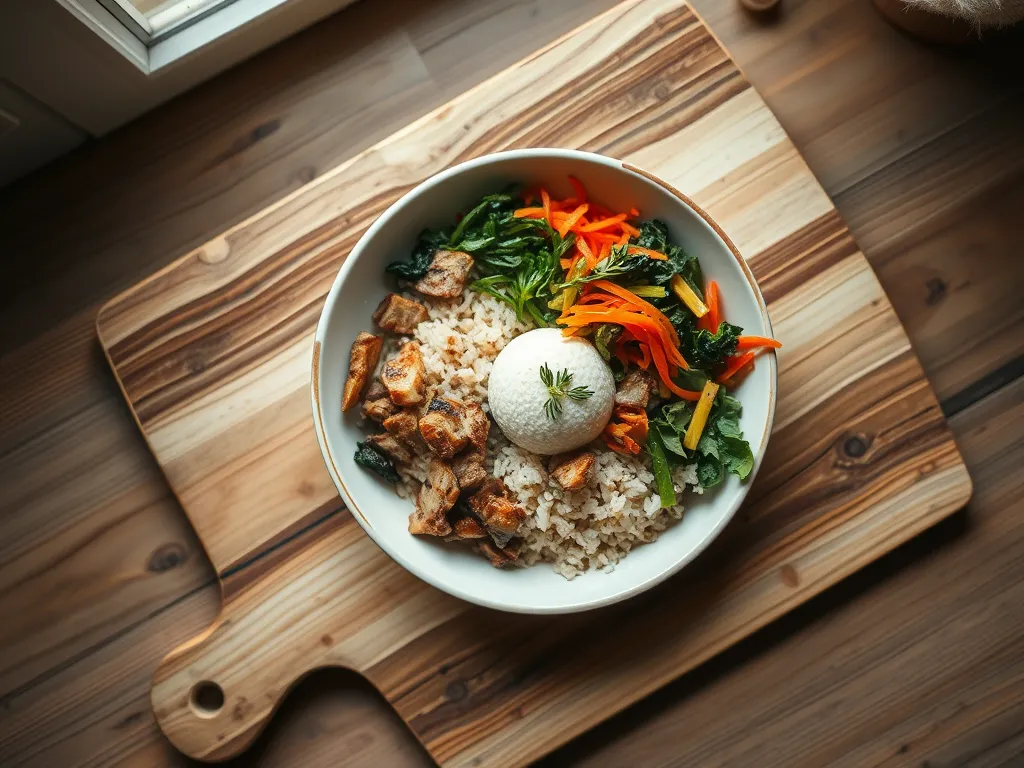
- Dull or darkened vegetable colors
- Grainy or hard rice texture
- Thickened or syrupy sauce
- Reheat thoroughly until steaming
- Consume within this window
Day 4 (Tipping Point)
4 days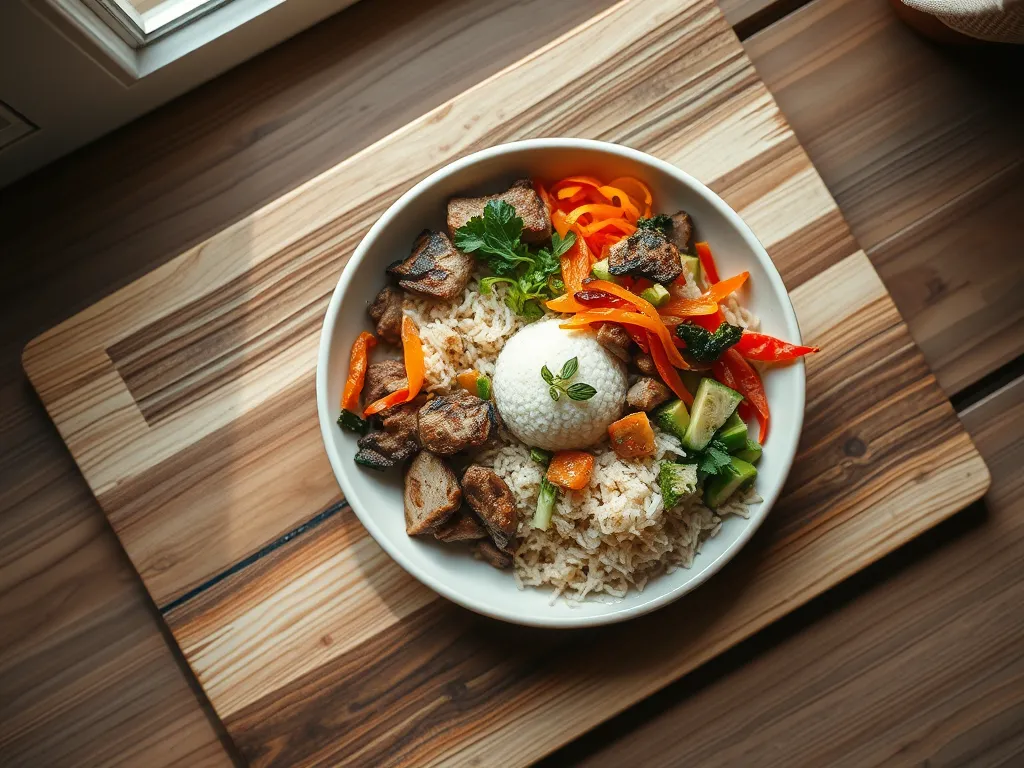
- Slimy texture on vegetables or meat
- Sour or unpleasant odor
- Visible discoloration
- Toss in the trash
- Do not consume
Common questions
How long can I keep bibimbap in the refrigerator?
Bibimbap is safe to eat for 3–4 days when stored in an airtight container in the refrigerator.
Can I freeze leftover bibimbap?
Yes, you can freeze bibimbap for up to 2 months. For better texture, consider freezing the meat and rice separately from the fresh vegetables.
How do I reheat bibimbap so the rice isn't hard?
To revive dry rice, add a splash of water or an ice cube to the bowl before microwaving, or steam it briefly to restore moisture.
What are the signs that bibimbap has gone bad?
Look for slimy vegetables, a sour smell, discolored meat, or any unusual mold growth.

To maintain peak flavor and safety, aim to consume your bibimbap within 3 days.