
Is Baking Powder Safe to Use on the Counter?
Baking Powder Shelf Life & Freshness Guide
Baking powder stays usable for about 6 months on the counter after opening.
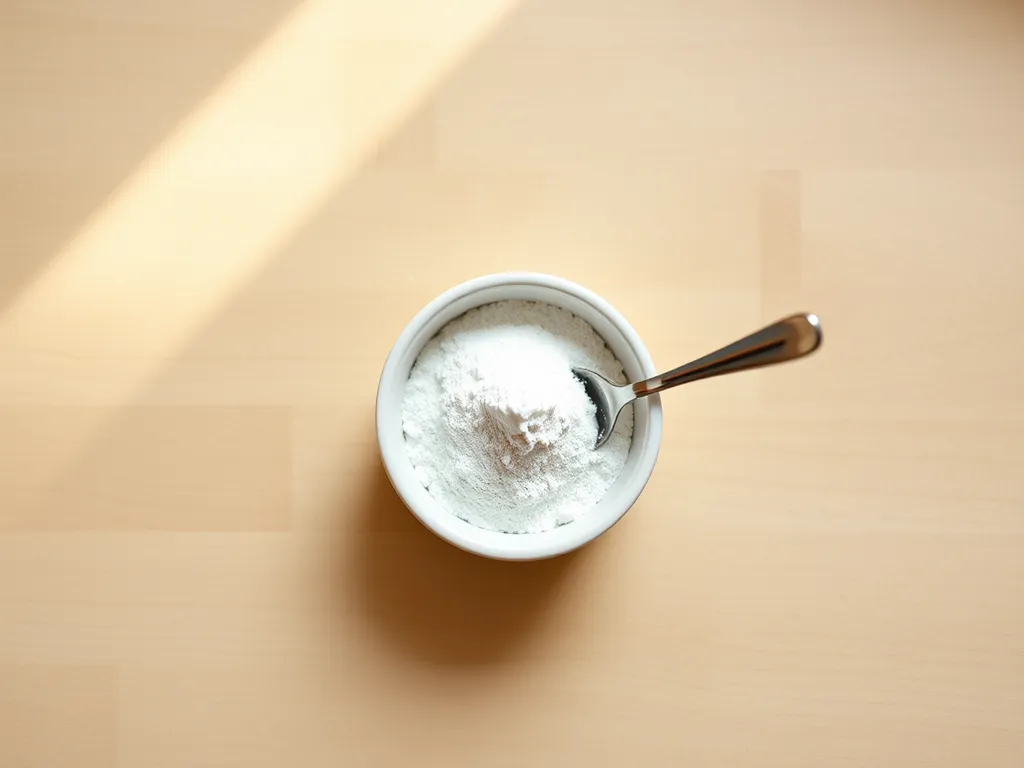
Baking powder is a critical leavening agent that relies on a chemical reaction between an acid and a base to make doughs and batters rise. Unlike some pantry staples, the primary concern with old baking powder isn't food poisoning, but a loss of potency. Once moisture enters the container, the powder activates prematurely, leaving it unable to lift your cakes or muffins. A dry, tightly sealed container preserves this activity for several months. This guide helps you identify the visual and physical signs of degradation so you can avoid wasting ingredients on flat, dense baked goods.
Heads up: shelf-life ranges are estimates based on home storage. We make no guarantee of accuracy. When unsure, throw it out.
The full timeline
Day 1 (Peak Fresh)
freshly opened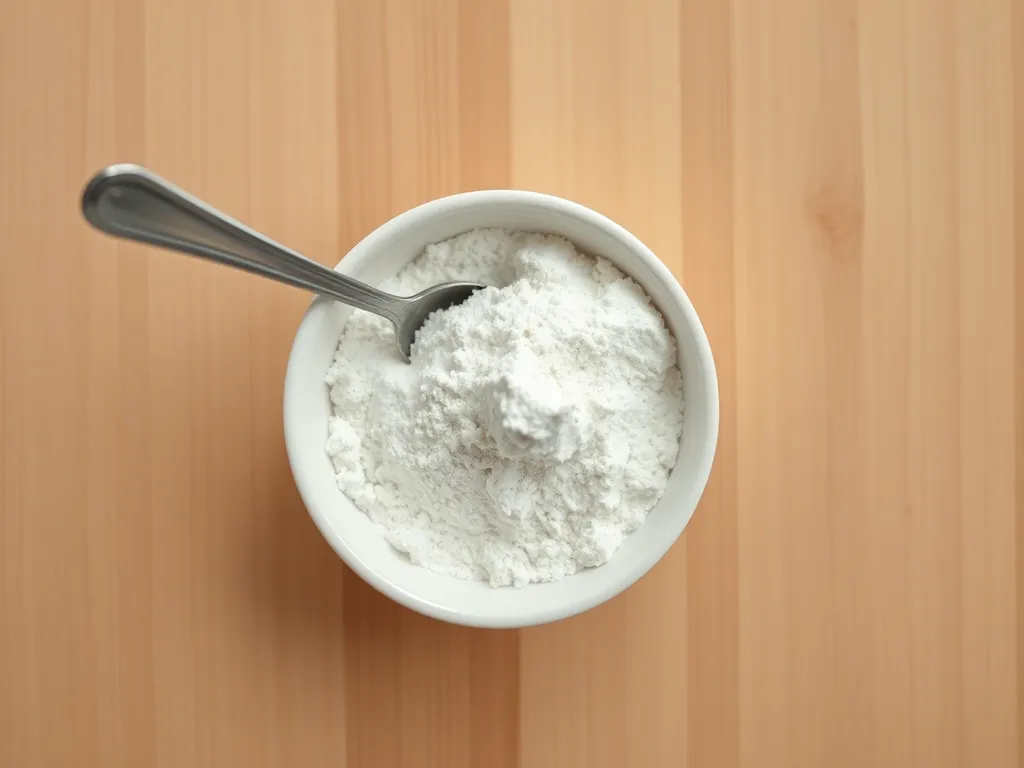
- Fine, bright white powder
- Loose texture without clumps
- Neutral scent
- Use for all baking needs
- Store in an airtight container
Day 30 (Still Strong)
about 1 month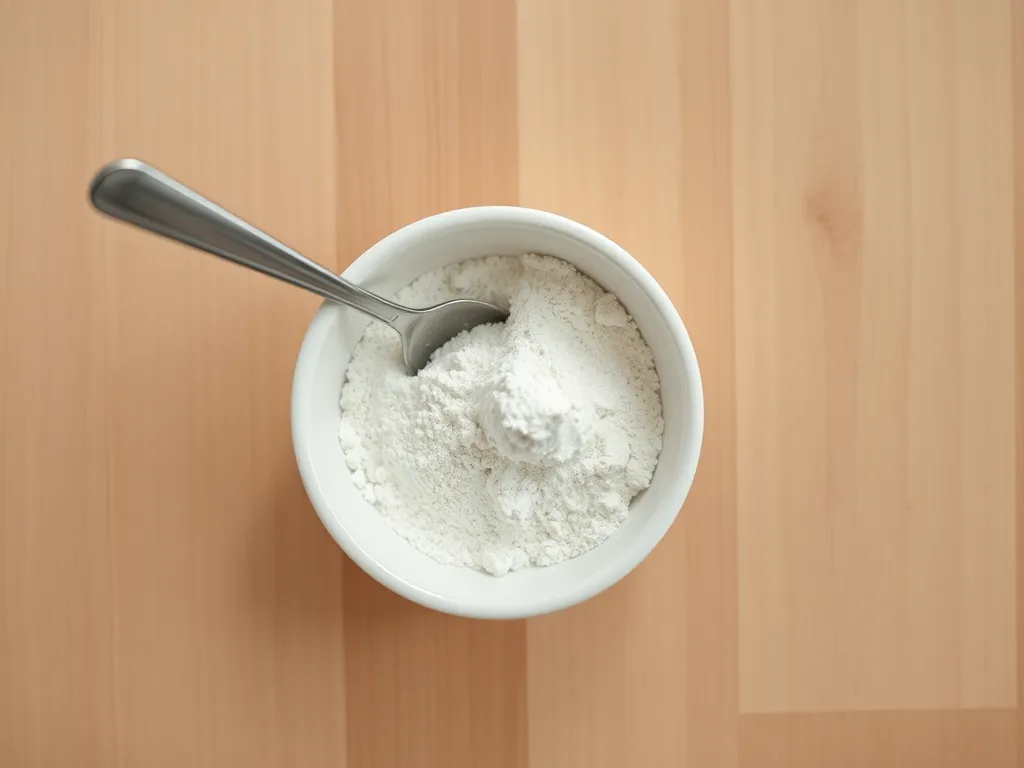
- Uniform pale color
- Slight settling at the bottom
- No signs of dampness or crusting
- Use for baking
- Keep away from heat and steam
Day 180 (Quality Drop)
about 6 months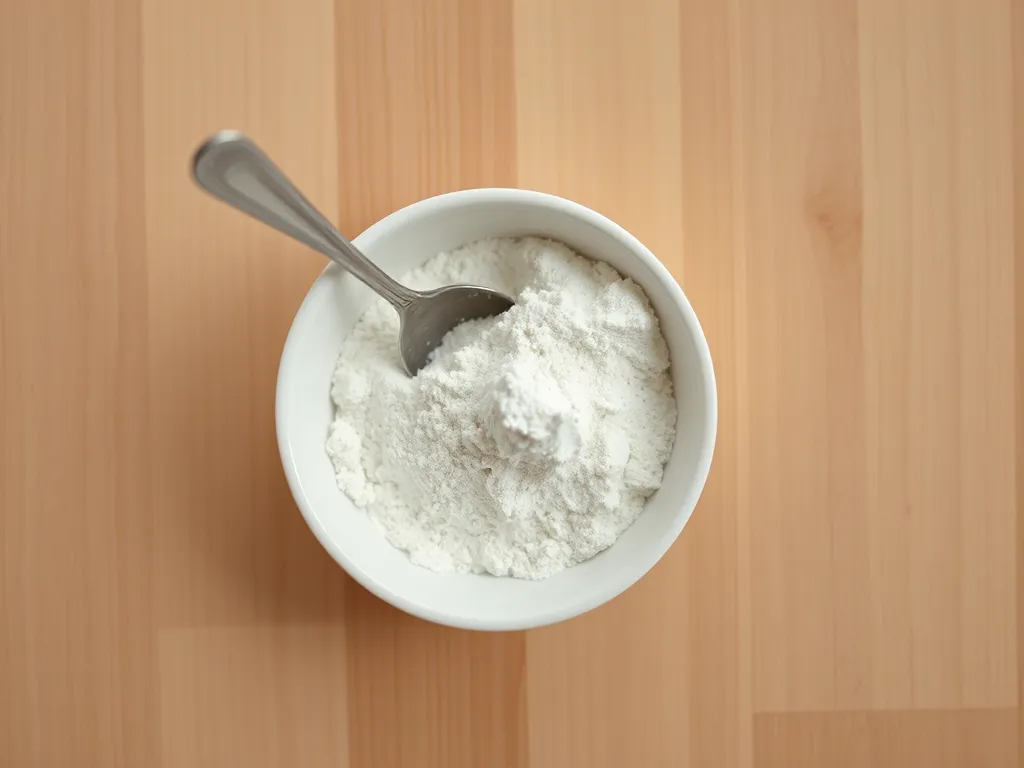
- Slightly lumpy texture
- Duller white appearance
- Faint or flat scent
- Perform a hot water fizz test
- Replace for critical recipes
Day 181–365 (Toss Zone)
past 6 months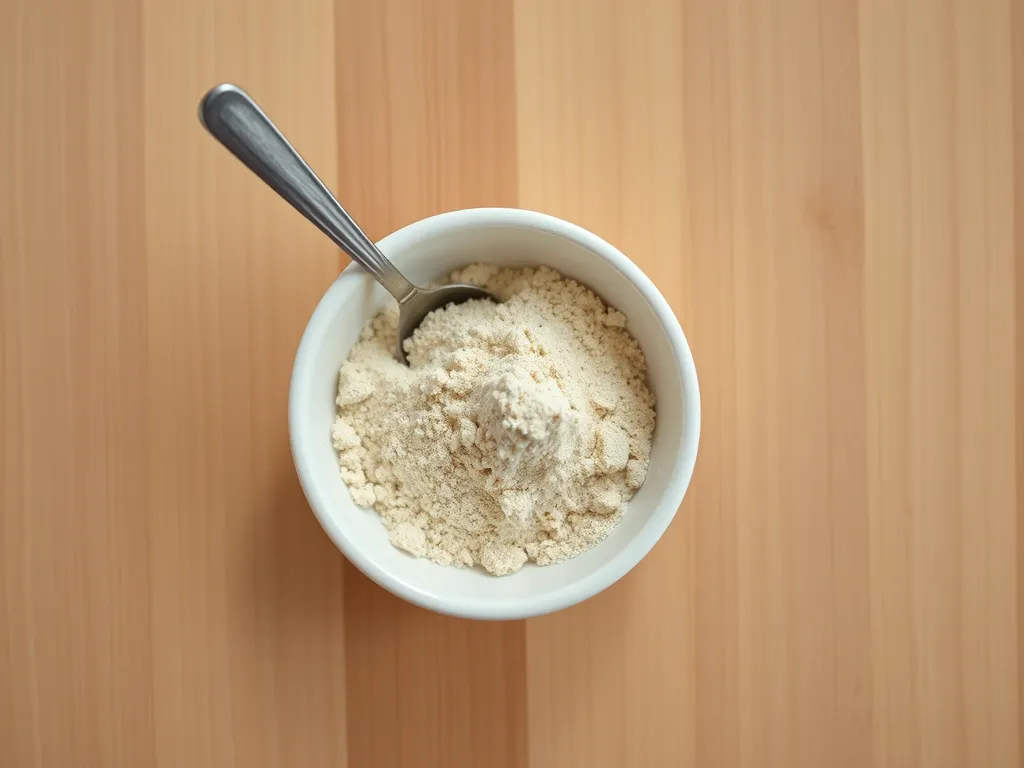
- Hard clumps caused by moisture
- Yellowish or gray discoloration
- No reaction when tested with water
- Discard immediately
- Replace with a fresh tin
Common questions
How long does baking powder last after opening?
Baking powder remains usable for approximately 6 months on the counter after opening. To maximize this window, store it in an airtight container in a cool, dry place.
Should I store baking powder in the refrigerator?
No, baking powder does not need refrigeration. It is shelf-stable and best kept in a dry, sealed container on the counter to prevent moisture from triggering premature activation.
How can I test if my baking powder is still active?
To test for potency, stir a small amount of baking powder into hot water. If it fizzes immediately and vigorously, it is active; if there is little to no bubbling, the powder has lost its lift.
Are clumps in baking powder a sign that it's bad?
Small clumps can occur due to humidity, but hard lumps or a crusty surface indicate that moisture has compromised the chemical balance. If you see significant clumping, replace the powder to ensure your baked goods rise.

Baking powder is most effective when kept dry and sealed. If it remains fluffy, it is useful; if it becomes clumpy or inactive, toss it.