
Can You Still Eat Apricots After Freezing?
Freezer Storage & Spoilage Guide
Apricots last about 8–12 months in the freezer.
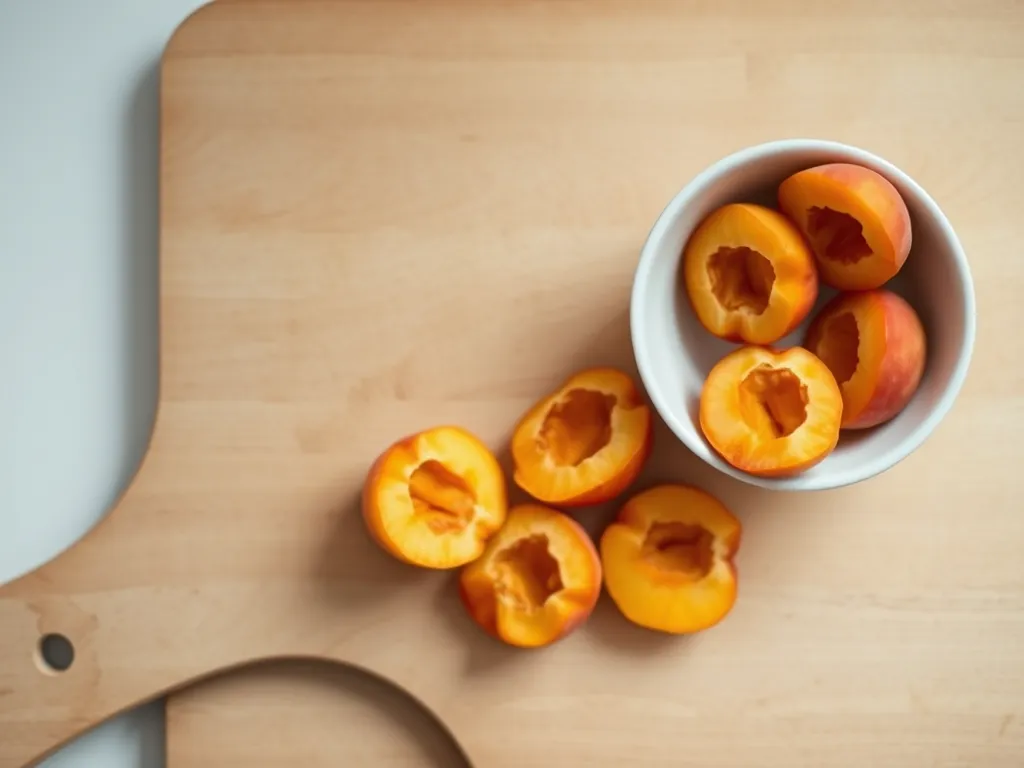
Apricots maintain their best quality for 8 to 12 months when frozen, though you should expect a softer texture upon thawing. Because freezing halts most spoilage, safety depends on the condition of the fruit before it was frozen and the integrity of the storage since then. Focus on visible indicators: look for heavy ice crystals or leathery patches indicative of freezer burn, and check for any fermented or stale odors. If the apricots were ripe and clean when stored, they remain usable well beyond their fresh window. However, if you encounter mold, a sour smell, or evidence that the fruit has been thawed and refrozen, it is time to discard them.
Heads up: shelf-life ranges are estimates based on home storage. We make no guarantee of accuracy. When unsure, throw it out.
The full timeline
Day 1 (Peak Fresh)
fresh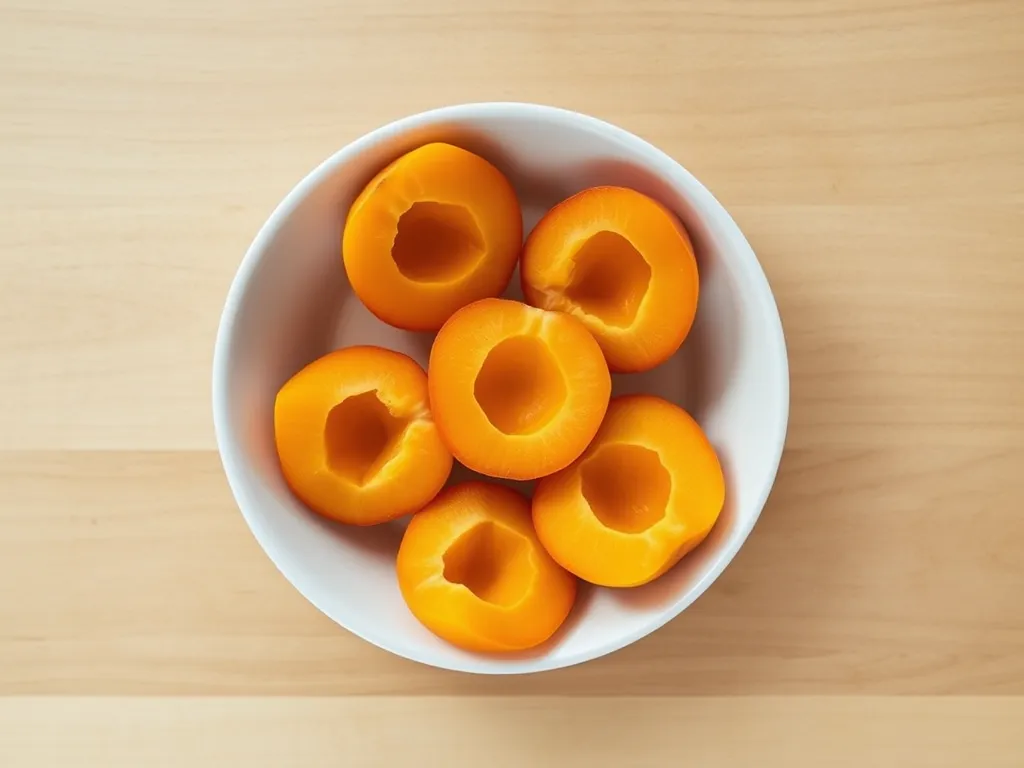
- Vibrant orange-gold flesh
- Firm texture with slight give
- Smooth skin with a light blush
- No signs of browning or leaking juice
- Eat fresh
- Freeze for long-term use
Day 3–5 (Softening)
3–5 days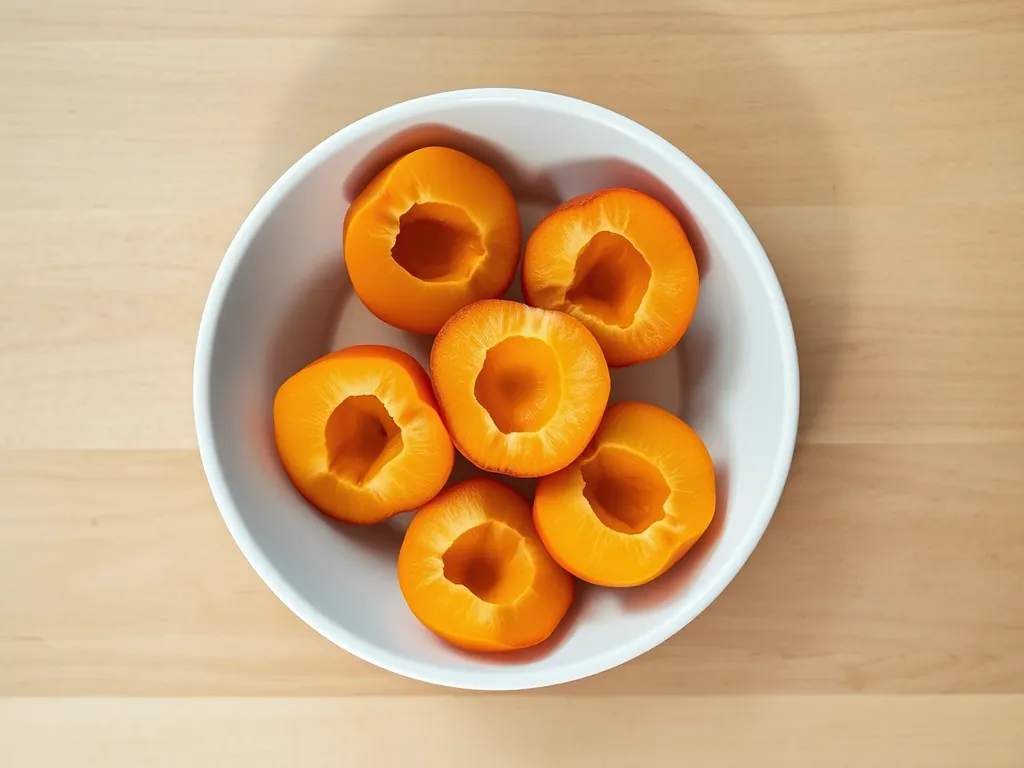
- Slight wrinkling of the skin
- Noticeably softer flesh
- Intensified sweet aroma
- Minor surface blemishes
- Eat immediately
- Freeze now
Day 6–10 (Quality Drop)
6–10 days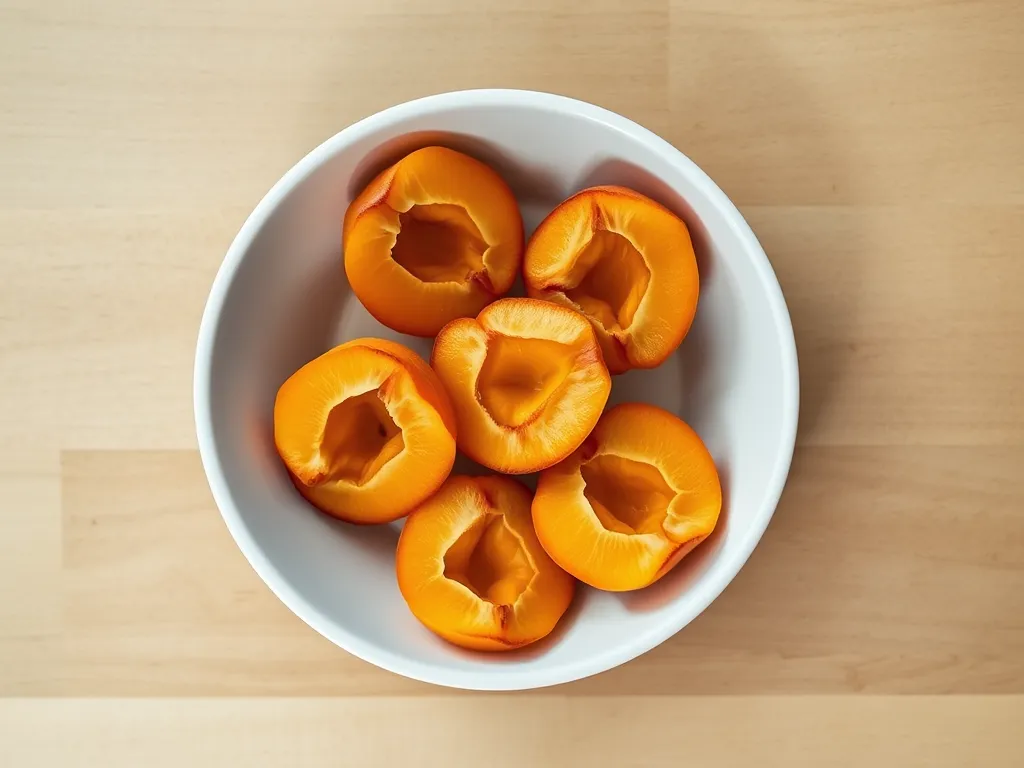
- Significant shriveling
- Deepening bruises
- Juice weeping from skin splits
- Flat or slightly fermented taste
- Use in cooked recipes
- Freeze only if clean
- Discard
Week 2 (Spoilage Signals)
1–2 weeks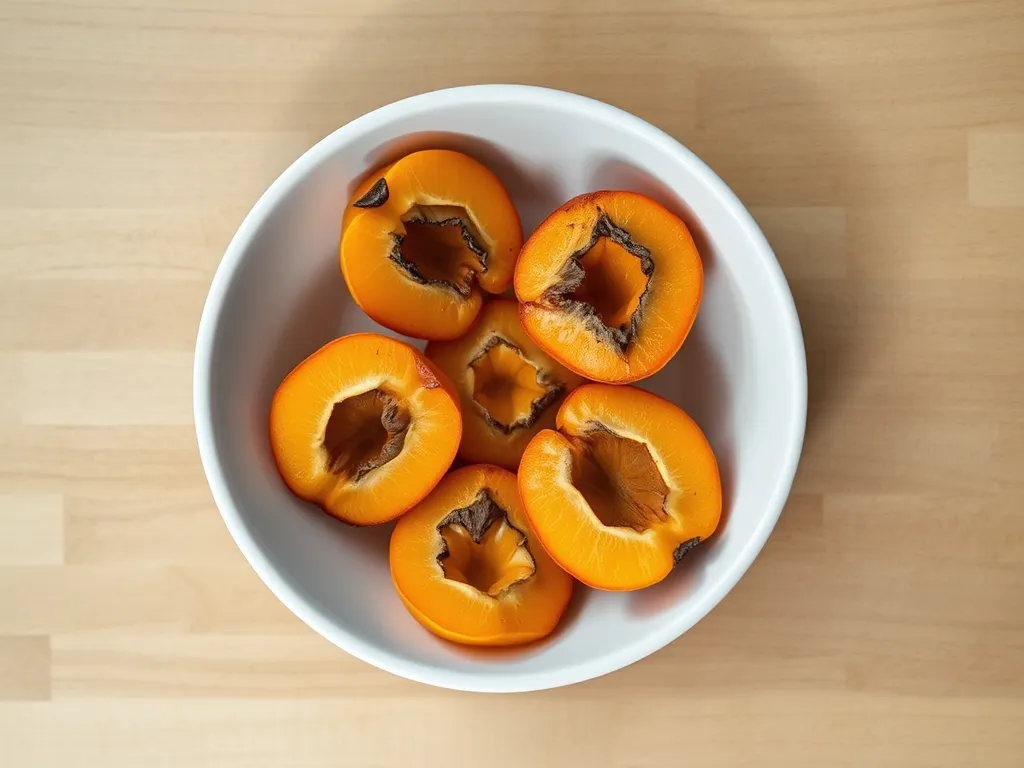
- Visible mold or fuzzy growth
- Strong sour or alcoholic odor
- Collapsed, mushy structure
- Dark rot patches or leaking fluid
- Discard
Month 8–12 (Freezer Fade)
8–12 months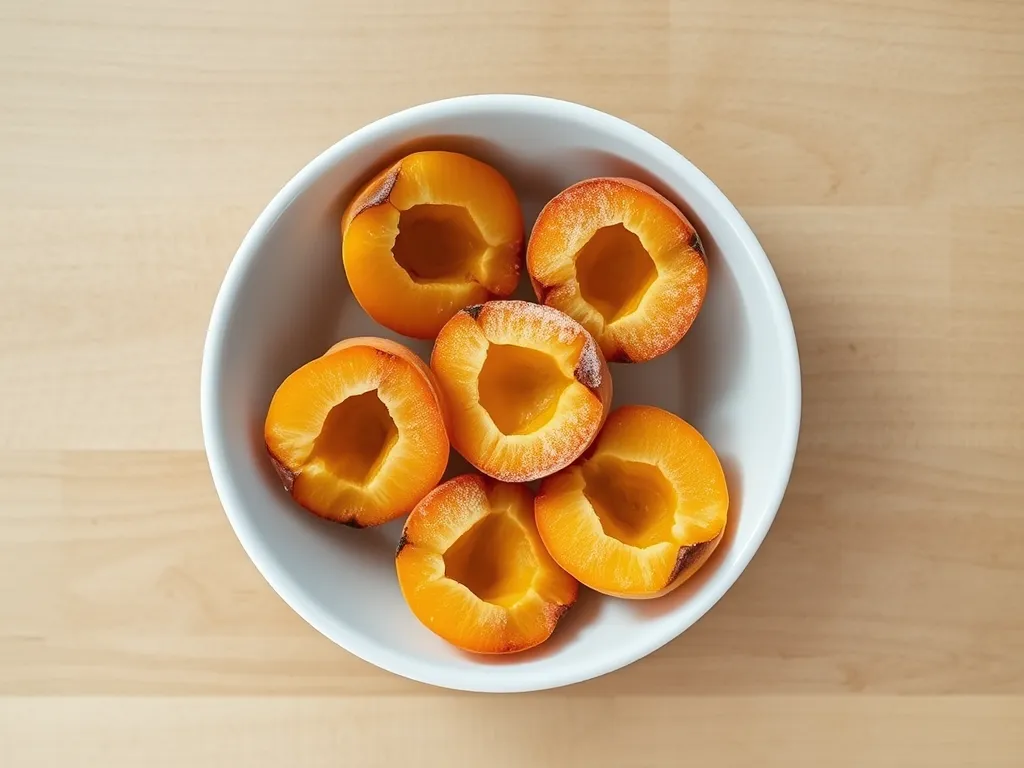
- Extensive freezer burn (dry patches)
- Large ice crystals on fruit surfaces
- Leathery, dehydrated texture
- Muted color and stale smell after thawing
- Discard
Common questions
How long do apricots stay good in the freezer?
Apricots last about 8–12 months in the freezer. While they may remain safe to eat after a year, they typically lose flavor and develop freezer burn after this period.
Do I need to blanch apricots before freezing them?
Blanching is not required for apricots. They are best frozen after being washed, pitted, and sliced. You may toss them in a small amount of lemon juice to prevent browning, though this is for aesthetics rather than safety.
How can I tell if frozen apricots have freezer burn?
Freezer burn appears as pale, dry, leathery patches or an accumulation of ice crystals on the fruit's surface. These areas will have a compromised texture and a stale flavor.
Is it safe to eat apricots with brown spots?
Yes, if the brown spots are caused by bruising or oxidation and the fruit smells normal, you can simply trim those parts away. If the spots are accompanied by mold or a fermented smell, discard the fruit.
Should fresh apricots be kept in the refrigerator?
Refrigeration helps extend the shelf life of fresh apricots compared to room temperature. For preservation lasting several months, freezing is the only effective method.

Apricots are best utilized within 8–12 months of freezing. Beyond that window, flavor and texture decline significantly, and any signs of mold or off-odors mean they should be discarded.