
How to Tell If Almonds Are Still Good
Freshness Guide: How to Tell if Almonds are Still Good
Almonds last 1–2 years when refrigerated. The most reliable sign of spoilage is a sharp, bitter smell resembling paint or old oil.
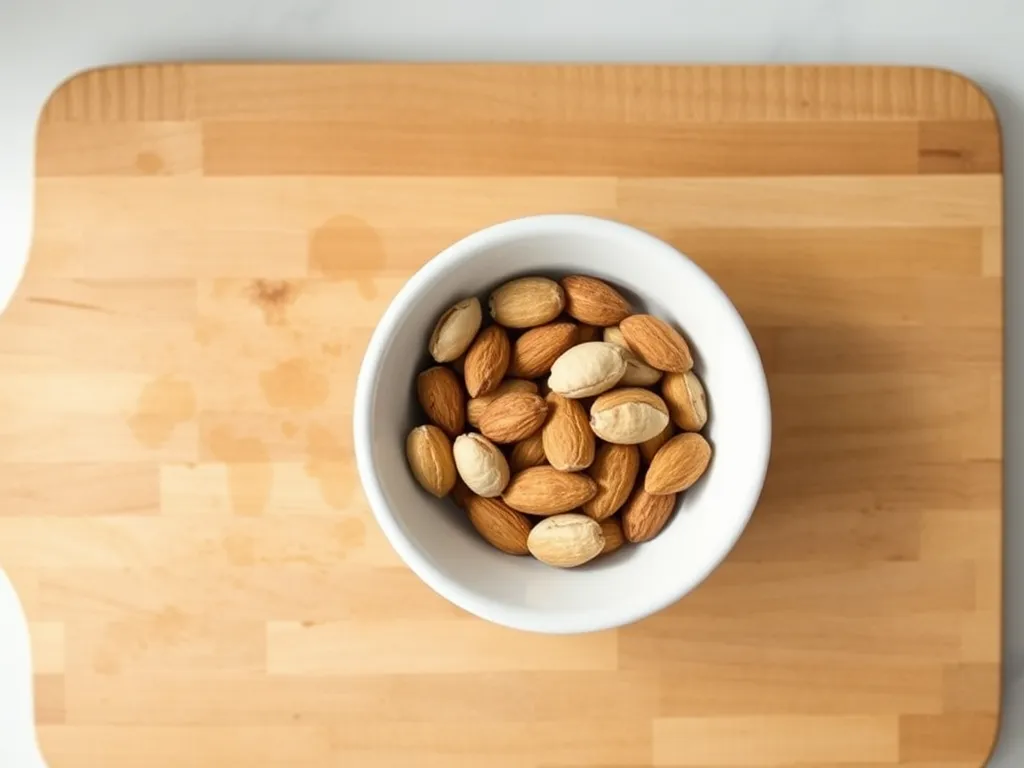
Almonds are durable pantry staples, but their high oil content makes them susceptible to oxidation over time. While they can be stored in the pantry, refrigeration significantly slows this process, extending their shelf life and preserving flavor. To determine if your almonds are safe to eat, focus on three primary indicators: smell, taste, and texture. Fresh nuts have a mild, sweet aroma and a crisp snap. As they degrade, they may first become stale (losing flavor) and eventually rancid (developing a harsh, chemical scent). Any visible mold or dampness is an immediate signal to discard the batch to avoid spoilage.
Heads up: shelf-life ranges are estimates based on home storage. We make no guarantee of accuracy. When unsure, throw it out.
The full timeline
Day 1 (Peak Fresh)
fresh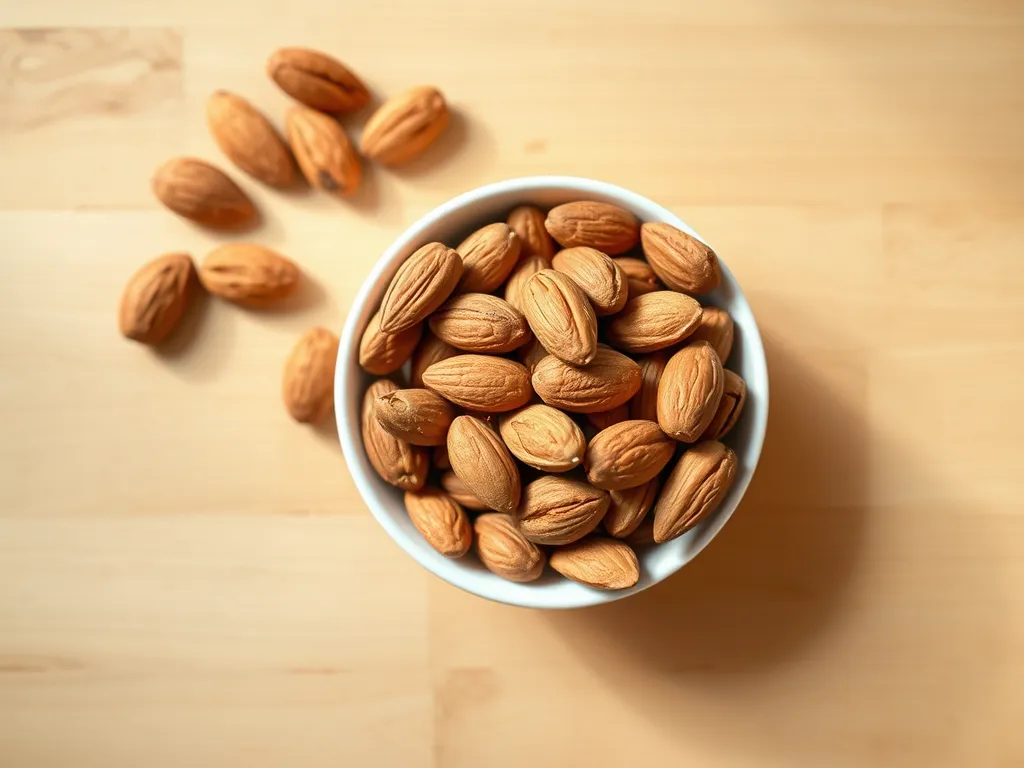
- Skins are dry, tan, and uniform in color
- Nuts feel plump and firm
- Aroma is clean and mildly nutty
- No signs of moisture, oiliness, or dust
- Enjoy as is
- Store in the refrigerator to extend life
Day 30 (Still Snappy)
weeks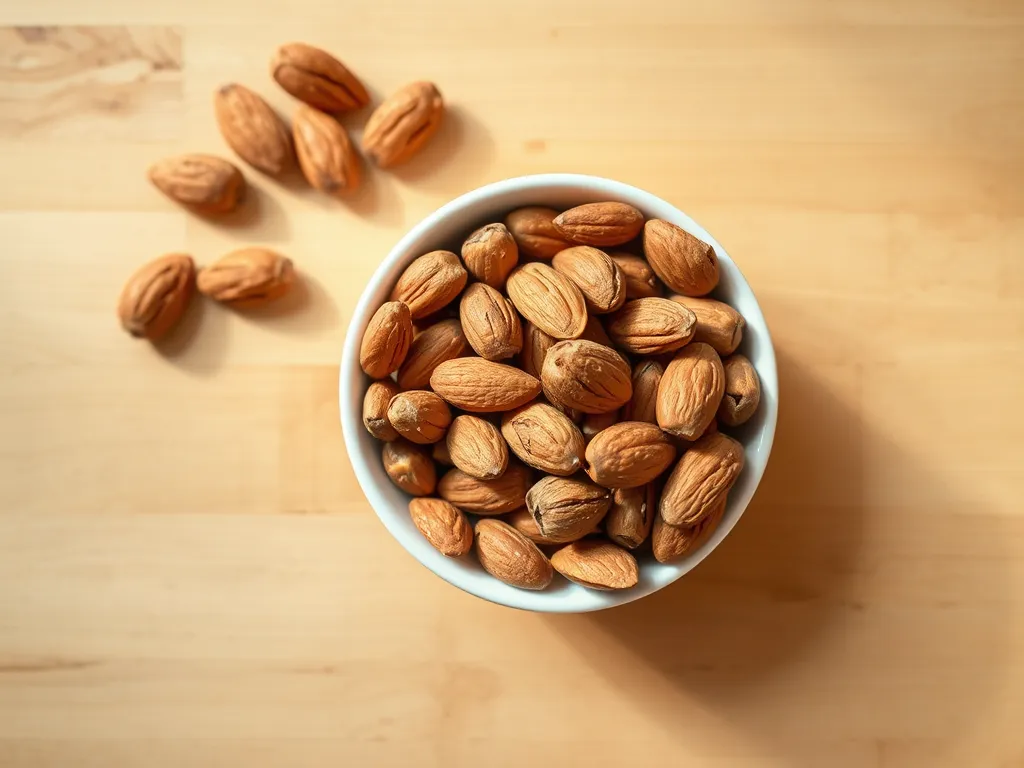
- Texture remains crisp and snappy
- Flavor is neutral and characteristic of almonds
- No off-smells upon opening the container
- Absence of clumping or dark spotting
- Continue using
- Ensure they are sealed tightly in the fridge
Day 180 (Stale Drift)
months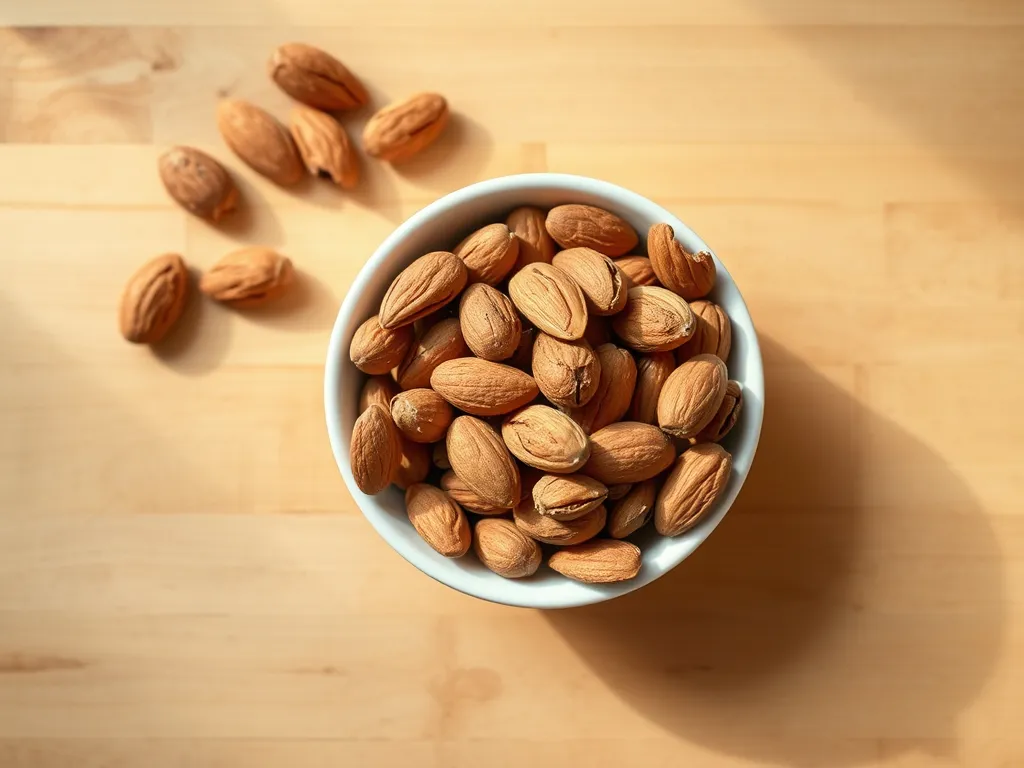
- Flavor is muted or tastes like cardboard
- A faint, stale scent is detectable
- Crunch is slightly diminished
- Appearance may look dull or faded
- Use in cooked recipes soon
- Move to a colder storage area
- Discard if any rancid smell is present
Day 365 (Rancid Risk)
1 year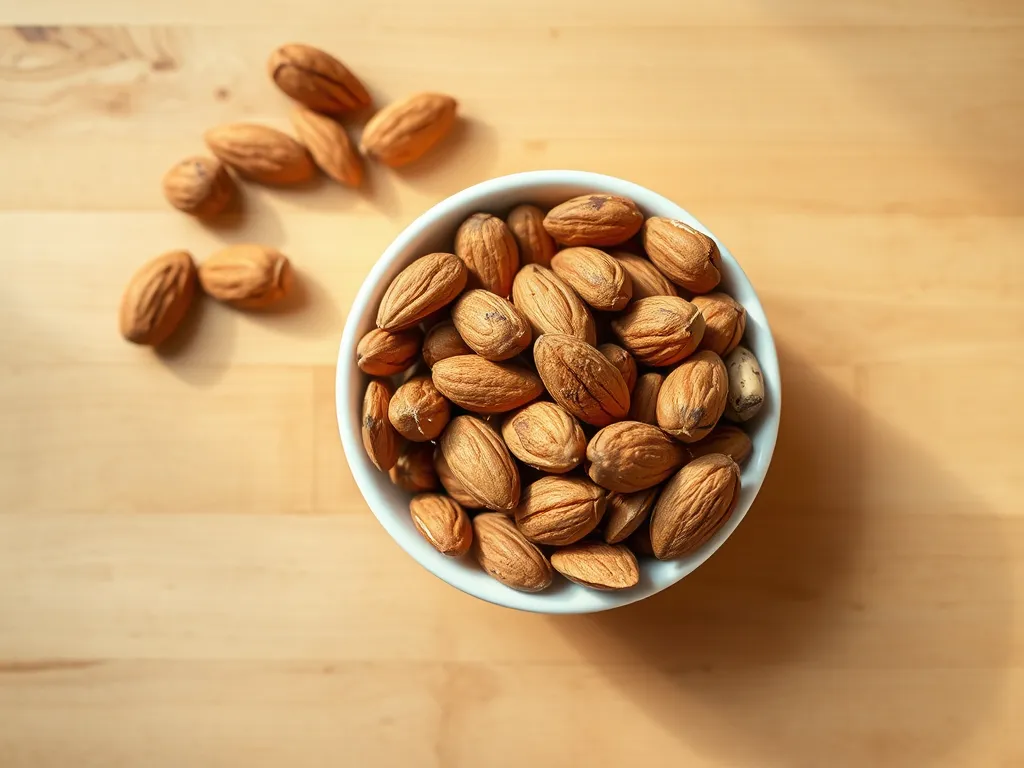
- Sharp, bitter aroma similar to paint or varnish
- Harsh, acrid taste
- Surface feels sticky or has an oily sheen
- Presence of mold, moisture, or discoloration
- Toss
- Discard
Common questions
How can I tell if my almonds have gone rancid?
The clearest sign of rancidity in almonds is a sharp, bitter smell that resembles paint or old oil. If the nuts taste bitter instead of sweet and nutty, they have oxidized and should be discarded.
How long do almonds stay fresh in the refrigerator?
Almonds typically last between 1–2 years when stored in the refrigerator. Cold temperatures slow down the oxidation of the natural oils, though quality will still gradually decline over this period.
What is the best way to store almonds for maximum shelf life?
Store almonds in an airtight container and place them in a cool, dark environment. The refrigerator is the ideal location to prevent the nuts from becoming stale or rancid.
Is it safe to eat stale almonds?
Stale almonds are usually safe to eat as long as there is no visible mold or a rancid, chemical odor. Stale refers to a loss of flavor and texture; however, once they smell 'off,' they have moved from stale to rancid and should be thrown away.

Your nose is the best tool for checking almonds. Fresh nuts are mild and nutty; any scent that shifts toward bitter, oily, or paint-like means it is time to toss them.