
How Long Do Acorn Squash Last on the Counter?
Acorn Squash Storage & Freshness Guide
Acorn squash lasts about 3–5 weeks on the counter when kept dry and in a cool space.
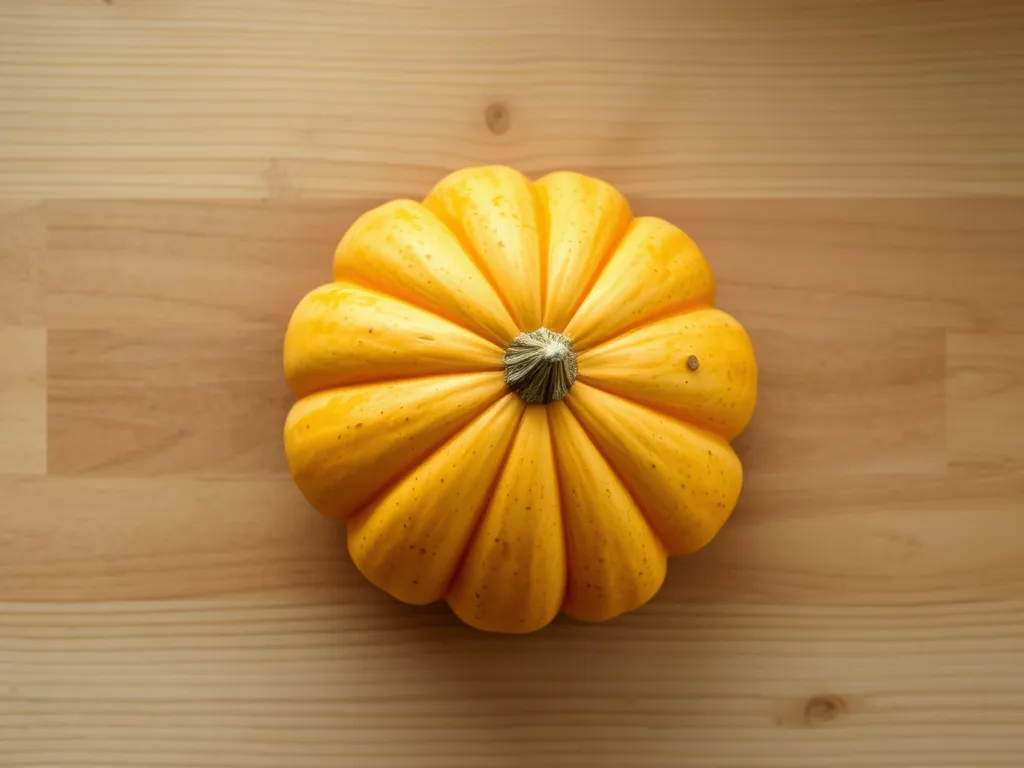
Acorn squash is a hardy winter staple prized for its dense flesh and thick, protective rind. This natural barrier shields the interior from moisture and decay, allowing it to stay fresh much longer than summer produce. To maximize shelf life, store your squash in a well-ventilated area away from direct sunlight and humidity, as damp conditions can accelerate spoilage and lead to mold growth. While these squashes are resilient, monitoring for soft spots or changes in texture is essential to ensure quality. Understanding the transition from peak freshness to spoilage helps you decide whether to roast your squash now or store it for a future autumn meal.
Heads up: shelf-life ranges are estimates based on home storage. We make no guarantee of accuracy. When unsure, throw it out.
The full timeline
Week 1 (Peak Fresh)
1 week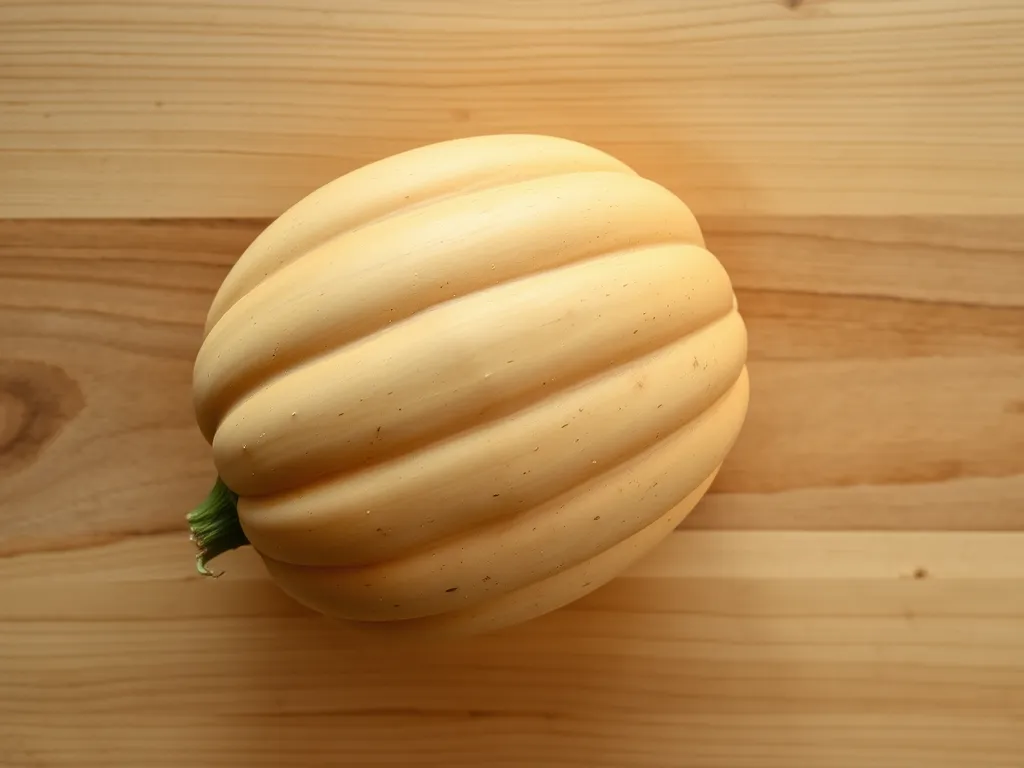
- Hard, rigid outer rind
- Vibrant skin color
- No indentation when pressed
- Store in a cool, dry area
- Prepare for roasting
Week 3 (Still Good)
2–3 weeks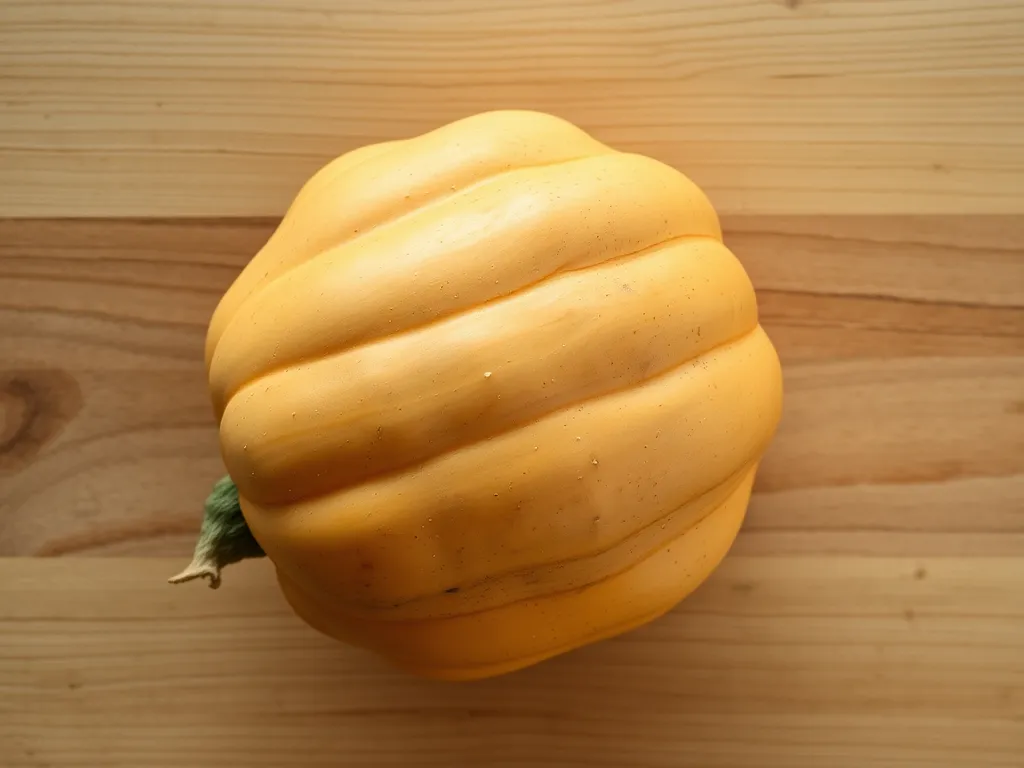
- Skin appears slightly matte or dull
- Firm internal structure
- No signs of surface mold
- Use now for best quality
- Continue storing in a cool spot
Week 4 (Caution)
4 weeks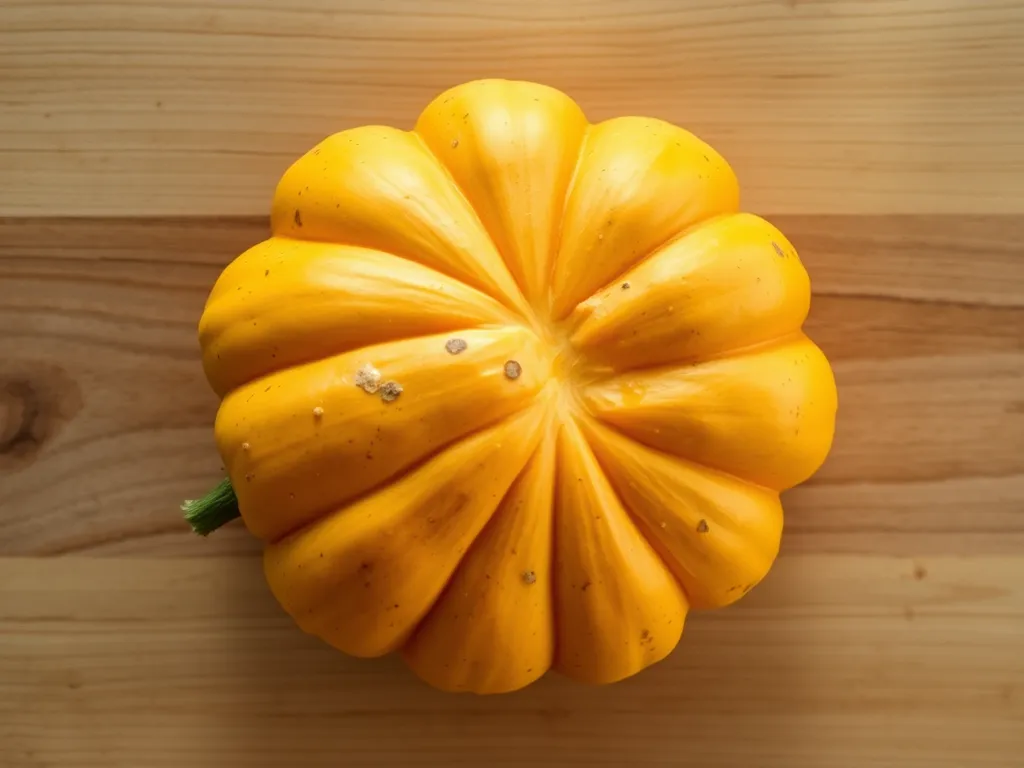
- Small soft patches on the base
- Minor skin shriveling
- Noticeable color fading
- Cook immediately
- Trim away soft areas during prep
Week 5 (Unsafe)
5+ weeks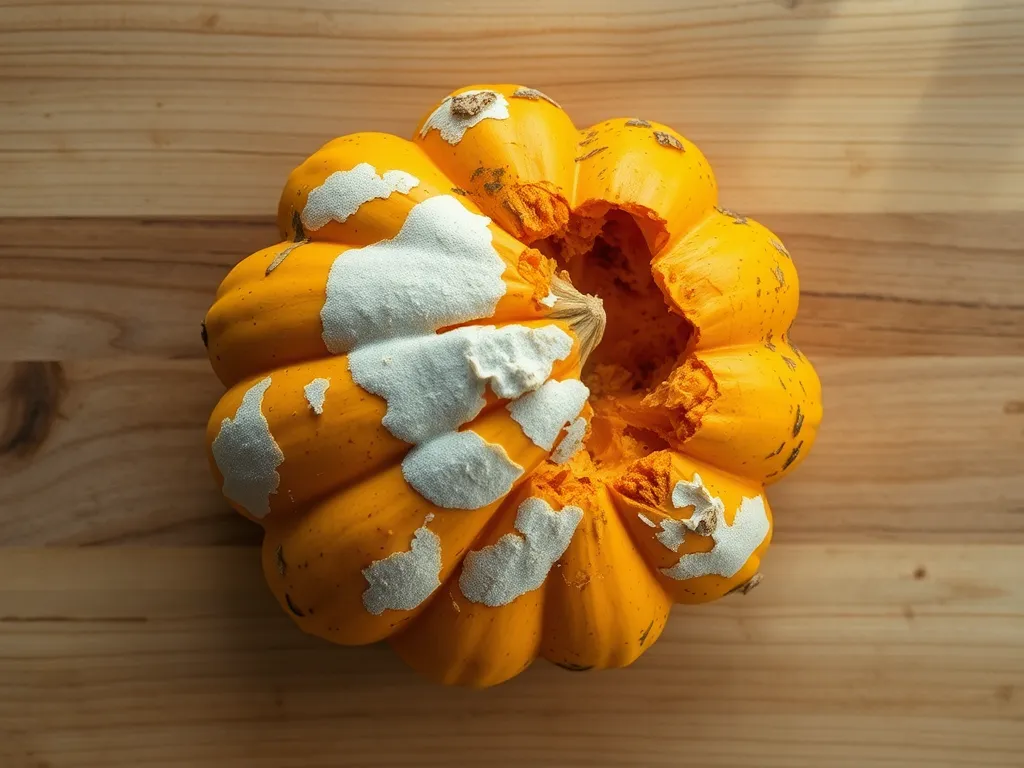
- Visible mold growth
- Mushy or spongy texture
- Sour or fermented odor
- Discard
Common questions
How long does acorn squash last on the counter?
Acorn squash typically lasts 3–5 weeks on the counter. To reach this maximum shelf life, keep the squash in a cool, dry, and well-ventilated space.
Should I store acorn squash in the refrigerator?
No, whole acorn squash does not require refrigeration. It is best stored at room temperature in a cool spot; refrigerating it before it is cut can actually degrade the quality of the rind.
How can I tell if acorn squash has gone bad?
Check for firmness and smell. If the squash feels spongy, has visible mold colonies, or emits a strong, unpleasant odor, it is no longer safe to eat.
Is it safe to eat acorn squash with a small soft spot?
Yes, provided there is no mold. You can cut away the affected soft area and use the remaining firm flesh.
Can you freeze acorn squash?
Yes, acorn squash can be frozen. Note that freezing may slightly alter the texture compared to fresh produce, so it is often best used in soups or purees after thawing.

Maximize your squash's life by keeping it dry and cool. If the texture feels spongy or smells off, discard it.